
High Protein Diet for Weight Loss 2026 — Best Foods, Fat-Burning Workouts, Diet Plans & Supplement Comparisons
The high protein diet for weight loss is consistently the most evidence-backed approach to fat loss — yet most people still struggle to make it work. One article tells you to cut carbs. Another says fat is the enemy. A fitness influencer is selling you a 1,200-calorie starvation plan. And somewhere in between, you're trying to figure out which diet, exercise routine, or supplement actually delivers results.
Here's what actually works — and the evidence to back it up. This guide covers everything from the best high protein foods for weight loss to the most effective fat-burning workouts, the truth about the GM diet plan, why the Mediterranean diet keeps showing up in every long-term study, and a no-nonsense comparison of the weight loss supplements reviewed right here on WellnessDecision. No calorie-counting obsession. No fads. Just the practical picture from a Registered Nutritionist-Dietitian who has worked with real people on real goals.
⚡ Quick Answer — The Weight Loss Formula That Actually Works
1. Why Protein Is the #1 Macro for Fat Loss
There's a reason every serious nutritionist, personal trainer, and evidence-based fat loss program puts protein at the center. It's not just about building muscle — it's about three distinct metabolic advantages that no other macronutrient provides.
🔥 Advantage 1 — Protein Has the Highest Thermic Effect of Food
Your body burns calories just to digest food. This is called the thermic effect of food (TEF). Protein's TEF is 25–30% — meaning if you eat 100 calories of protein, 25–30 of those calories are burned in the digestion process. Carbohydrates have a TEF of 6–8%. Fat is just 2–3%. When you shift a third of your daily calories from carbs or fat to protein, you automatically burn more calories without changing anything else — no extra exercise, no smaller portions.
📈 Advantage 2 — Protein Controls Hunger Hormones
High-protein meals trigger a significant release of GLP-1, PYY, and CCK — the satiety hormones that signal fullness to your brain. At the same time, protein suppresses ghrelin, the hunger hormone that spikes when you're in a caloric deficit. This is why a high-protein breakfast keeps you fuller until lunch than an equal-calorie high-carb breakfast. A 2015 study in The American Journal of Clinical Nutrition found that increasing protein to 30% of daily calories reduced daily calorie intake by 441 calories spontaneously — without any instruction to eat less.
💪 Advantage 3 — Protein Preserves Muscle During a Deficit
When you eat less than you burn, your body doesn't just burn fat — it also breaks down muscle for energy. This is called lean mass catabolism, and it's the reason most crash dieters end up skinny-fat rather than lean. Adequate protein intake (1.2–1.6g per kg of bodyweight) combined with resistance training tells your body to preserve muscle tissue and preferentially burn fat instead. More muscle = higher resting metabolic rate = more fat burned while you sleep.
💡 How much protein do you need? Multiply your body weight in pounds by 0.7 to get your daily minimum gram target. A 150-lb person needs at least 105g of protein daily for fat loss. Athletes and heavy resistance trainers may benefit from up to 1g per pound of bodyweight.
2. Best High Protein Foods for Weight Loss (Ranked by Protein Density)

Not all protein sources are created equal. For weight loss specifically, you want high protein density (grams of protein per calorie, not just per serving) combined with satiety, minimal processing, and ideally some additional micronutrient value. Here are the top performers:
| Food | Protein (per 100g) | Calories (per 100g) | Best For |
|---|---|---|---|
| 🍕 Chicken Breast (cooked) | 31g | 165 kcal | Daily protein anchor — most versatile |
| 🍌 Canned Tuna (in water) | 30g | 116 kcal | Budget-friendly, lunch prep |
| 🍡 Salmon (cooked) | 25g | 208 kcal | Omega-3 anti-inflammation + protein |
| 🦥 Turkey Breast (cooked) | 29g | 135 kcal | Lean cut, low saturated fat |
| 🥥 Greek Yogurt (plain, non-fat) | 17g | 59 kcal | Breakfast + probiotics + casein |
| 🥄 Cottage Cheese (low-fat) | 11g | 72 kcal | Before-bed snack — slow digesting casein |
| 🥛 Eggs (whole) | 13g | 155 kcal | Complete amino acid profile, affordable |
| 🌿 Lentils (cooked) | 9g | 116 kcal | Plant protein + 8g fiber — gut & weight |
| 🫘 Edamame (cooked) | 11g | 122 kcal | Complete plant protein, quick snack |
| Shrimp (cooked) | 24g | 99 kcal | Highest protein-to-calorie ratio, seafood |
| 🥐 Black Beans (cooked) | 8.9g | 132 kcal | Plant protein + 8.7g fiber — budget friendly |
| 🥘 Whey Protein Powder | 70–80g | ~380 kcal | Post-workout — fastest absorbing protein |
🔎 Pro tip: Build your meals around a protein anchor first — then add vegetables, then add complex carbohydrates if you have calories remaining. This "protein first" approach naturally controls caloric intake without calorie counting obsession.
3. Best High Fiber Foods for Weight Loss
Fiber is protein's best partner for fat loss. It slows gastric emptying (keeping you full longer), feeds the beneficial gut bacteria that produce satiety hormones, stabilizes blood sugar to prevent the hunger spikes that cause overeating, and adds bulk to meals without adding calories. The 2025–2030 Dietary Guidelines for Americans recommend 25–38g of fiber daily — most Americans get less than 15g. Closing this gap alone can meaningfully improve weight management outcomes.
🥧 Soluble Fiber Foods
Forms a gel in water — slows glucose absorption, lowers cholesterol, feeds Bifidobacterium strains that produce butyrate for satiety.
- Oats (4g per cup cooked)
- Apples with skin (4.4g per medium)
- Psyllium husk (5g per tbsp)
- Chia seeds (10g per 30g / 2 tbsp)
- Flaxseeds (8g per 30g)
- Black beans (8.7g per 100g)
- Lentils (8g per 100g)
- Avocado (6.7g per 100g)
- Pears (5.5g per medium)
- Barley (6g per cup cooked)
🥗 Insoluble Fiber Foods
Adds bulk, speeds gut transit, reduces constipation, and provides physical volume that triggers stretch receptors in the stomach for early satiety signals.
- Broccoli (2.6g per 100g)
- Cauliflower (3g per 100g)
- Green beans (3.4g per 100g)
- Whole wheat bread (6.8g per 100g)
- Almonds (12.5g per 100g)
- Popcorn (14.5g per 100g)
- Brown rice (3.5g per cup cooked)
- Carrots (2.8g per 100g)
- Celery (1.6g per 100g, extreme low cal)
- Corn (2.7g per 100g)
🌿 The Fiber + Protein Combination Is the Most Powerful Satiety Stack
Eating high fiber and high protein together — say, a chicken breast (protein) with a large serving of broccoli and black beans (fiber) — creates satiety from three simultaneous pathways: protein's effect on hunger hormones, fiber's mechanical stomach stretching, and fiber's slow glucose absorption preventing the blood sugar crash that triggers cravings 90 minutes after a meal. This combination is at the heart of both the Mediterranean diet and every successful body composition approach in the evidence base.
4. Mediterranean Diet for Weight Loss — Why It Keeps Winning
The Mediterranean diet is not a weight loss diet in the traditional sense — it's a way of eating that has been studied continuously since the Seven Countries Study began in the 1950s. The reason it keeps appearing in fat loss research is simple: it combines every evidence-based nutrition principle into one coherent, delicious, sustainable eating pattern.
What the Mediterranean Diet Actually Looks Like on a Plate
Every Day
Vegetables (lots), whole grains, legumes, fruits, nuts, seeds, olive oil, herbs & spices. Water as the primary drink.
Several Times a Week
Fish and seafood (especially fatty fish like salmon, sardines), poultry, eggs, dairy in moderation.
Rarely
Red meat, processed foods, added sugars, refined grains, sweetened beverages. Optional: moderate red wine with meals.
Why It Works for Fat Loss Specifically
A 2020 meta-analysis in Nutrients covering 16 randomized controlled trials found Mediterranean diet adherents lost significantly more body weight and reduced waist circumference more than control diets over 12 months. The mechanisms behind this are not mysterious:
- High fiber intake from vegetables, legumes and whole grains keeps you full and feeds microbiome diversity that produces satiety hormones
- Olive oil's oleocanthal has anti-inflammatory effects comparable to low-dose ibuprofen — reducing the chronic inflammation that promotes fat storage and metabolic dysfunction
- Lean fish protein (salmon, sardines, tuna) provides high-quality protein for muscle preservation plus omega-3 fatty acids that improve insulin sensitivity
- Low glycemic load from whole grains and legumes versus refined carbohydrates prevents the insulin spikes that drive fat storage signaling
- Social and enjoyment factor — this is a sustainable eating pattern people actually stick to, unlike deprivation diets that produce short-term results and long-term frustration
📚 Sample Mediterranean Day for Fat Loss
🌤️ Breakfast: 2 eggs scrambled in olive oil, 1 cup spinach, 1 slice whole grain toast, ½ avocado
☕ Mid-morning: Handful of almonds + 1 apple
🌙 Lunch: Large Greek salad (cucumber, tomato, olives, feta) + grilled salmon + chickpeas
🍧 Snack: Greek yogurt (plain, non-fat) + fresh berries
🌩️ Dinner: Grilled chicken breast, roasted vegetables in olive oil, lentil soup, brown rice
Estimated: ~1,700–1,900 kcal | 130–150g protein | 35–45g fiber
5. GM Diet Plan 2026 — The Complete 7-Day Schedule (Honest Review)
The GM (General Motors) Diet has been circulating since the 1980s and continues to be one of the most searched diet plans online. Let's give you the honest picture: what happens during the 7 days, what results you can realistically expect, and why it should be used as a motivational reset rather than a fat loss strategy.
| Day | What You Eat | Why (The Theory) | Honest Reality |
|---|---|---|---|
| Day 1 | All fruits except bananas. Watermelon & cantaloupe preferred. | Cleanses digestive system, fructose for energy | Very low protein — hunger likely by evening |
| Day 2 | All vegetables — raw or cooked. Start with 1 boiled potato for energy. | Fiber and micronutrient loading | High fiber may cause bloating initially |
| Day 3 | Fruits + vegetables combined. No bananas, no potatoes. | Body begins burning stored fat | Glycogen stores depleting — mostly water weight |
| Day 4 | 8 bananas + 3 glasses of milk. GM Wonder Soup optional. | Potassium & sodium balance; reduces sugar cravings | High sugar day — unusual, not evidence-based |
| Day 5 | Beef or chicken (280–350g) + 6 whole tomatoes. 2 extra glasses of water. | Protein reintroduction; iron and lycopene | Best day nutritionally — actually filling |
| Day 6 | Beef or chicken + all vegetables (no tomato today). | Continued protein + increased micronutrients | High satiety — most sustainable day of plan |
| Day 7 | Brown rice + fruit juice (unsweetened) + all vegetables. | Complex carbohydrates for energy restoration | Good reintroduction — sets up next phase |
👍 What the GM Diet Does Well
- Delivers 5–7 lbs scale drop in 7 days
- Forces elimination of processed food
- Dramatically increases vegetable intake
- Motivational restart after a plateau
- Very high fiber intake on days 1–3
👎 What the GM Diet Doesn't Do
- Most weight loss is water/glycogen — not fat
- No published clinical trial supports it
- Very low protein days cause muscle breakdown
- Weight returns without habit change
- Day 4 (8 bananas + 3 glasses milk) is odd
Bottom line on the GM diet: Use it as a 7-day reset to break a habit cycle, reduce processed food dependency, or jump-start motivation — not as a sustainable fat loss strategy. Follow it with a Mediterranean diet pattern and a structured exercise plan to convert the initial result into lasting change.
6. Best Exercises to Burn Fat — Science-Backed Ranking

Not all exercise is equal for fat loss. Here's the ranked breakdown based on total fat oxidation, EPOC (post-exercise calorie burn), and long-term metabolic impact:
7. Fat Burner Gym Workout Plan — Complete Weekly Schedule
This is a realistic, evidence-based weekly fat-burning workout structure for adults at any fitness level. It combines resistance training, HIIT, and LISS for maximum fat loss while preserving muscle mass:
8. Weights for Women's Weight Loss — The Biggest Fitness Myth Corrected
"I don't want to lift weights because I'll get bulky." This is the most damaging fitness myth in women's health — and it has kept millions of women from the most effective fat loss tool available to them.
Here is the physiological reality: Women have 15–20 times less testosterone than men. Testosterone is the primary anabolic hormone that drives significant muscle mass gains. Without pharmaceutical assistance, it is physiologically very difficult for most women to build the kind of visible, dramatic muscle that the word "bulky" evokes. What resistance training actually does for women is create a lean, toned appearance — which is not the same as bulk. The "toned" look that most women describe as their goal IS muscle — just at a moderate level of development relative to body fat percentage.
5 Reasons Women Should Prioritize Weights for Fat Loss
🔥 Raises Resting Metabolic Rate
Muscle is metabolically active tissue. Adding lean muscle through resistance training elevates the number of calories you burn at rest — every hour, including while you sleep. Cardio only burns calories during the session. Muscle burns calories permanently.
🦵 Improves Insulin Sensitivity
Muscle is the body's primary site of glucose disposal. More muscle mass means glucose is driven into muscle cells for energy rather than converted to fat via insulin-mediated lipogenesis. This is why women with more lean muscle mass maintain lower body fat even at the same body weight as women with less muscle.
🦴 Bone Density Protection
Women lose bone density rapidly post-menopause. Weight-bearing resistance exercise is one of the most effective interventions for maintaining bone mineral density — more effective than most supplements and comparable to low-dose hormone therapy in some studies. This is a serious long-term health reason independent of fat loss.
📈 Better Body Composition Results Than Cardio
A 2021 meta-analysis in Obesity Reviews found that women who combined resistance training with caloric restriction lost significantly more fat mass and preserved significantly more lean mass than women who combined cardio with caloric restriction — even when total calorie burn was matched. The scale weight difference was modest. The body composition difference was significant.
Women's Fat Loss Resistance Training Program (Beginner-Intermediate)
Monday + Thursday (Upper): Dumbbell Bench Press 3×12 | Dumbbell Rows 3×12 | Shoulder Press 3×12 | Bicep Curls 3×15 | Tricep Kickbacks 3×15 | Face Pulls 3×15
Tuesday + Friday (Lower + Glutes): Goblet Squat 4×12 | Romanian Deadlift 3×12 | Hip Thrust/Glute Bridge 4×15 | Side-Lying Clamshells 3×20 | Step-Ups 3×12 | Calf Raises 4×15
Wednesday + Saturday: 30–45 min brisk walk or LISS cardio
Start with weights you can lift with good form for all reps. Increase weight when the last 2 reps of a set stop being challenging.
9. Best Foods for Cutting — The Complete Grocery List
"Cutting" refers to a dietary phase focused on fat loss while preserving as much muscle as possible — typically involving a 300–500 calorie daily deficit paired with high protein intake and maintained resistance training. These are the foods that make cutting easier, more sustainable, and more effective:
🬥 Proteins (Lean)
- Chicken breast
- Turkey breast
- Tuna (canned in water)
- Salmon (wild-caught)
- Shrimp
- Egg whites + whole eggs
- Non-fat Greek yogurt
- Low-fat cottage cheese
- Whey protein isolate
- Bison (leaner than beef)
🥧 Vegetables (Unlimited)
- Spinach & leafy greens
- Broccoli
- Cauliflower
- Cucumber
- Zucchini
- Bell peppers
- Asparagus
- Green beans
- Brussels sprouts
- Celery
🌿 Carbs & Fats (Measured)
- Sweet potato
- Brown rice (weighed)
- Oats
- Quinoa
- Lentils & black beans
- Avocado (½ per day)
- Olive oil (1–2 tbsp)
- Almonds (small portion)
- Berries (low-sugar fruit)
- Chia seeds
10. Weight Loss Supplement Comparison — 4 Products Reviewed at WellnessDecision
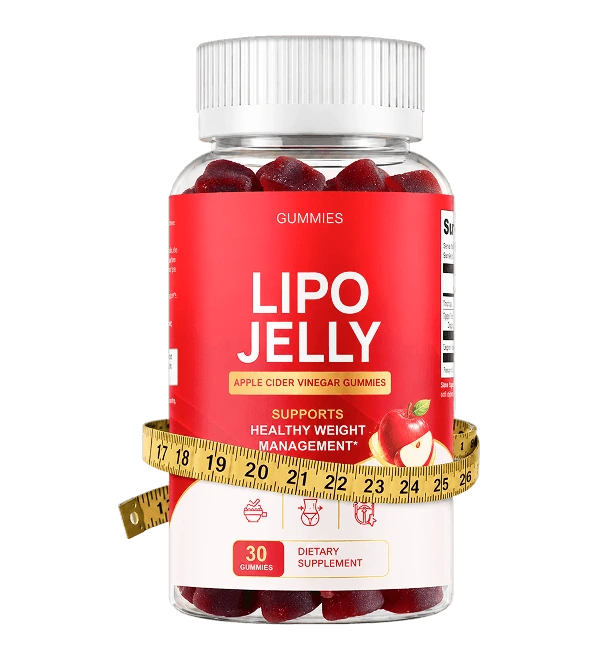
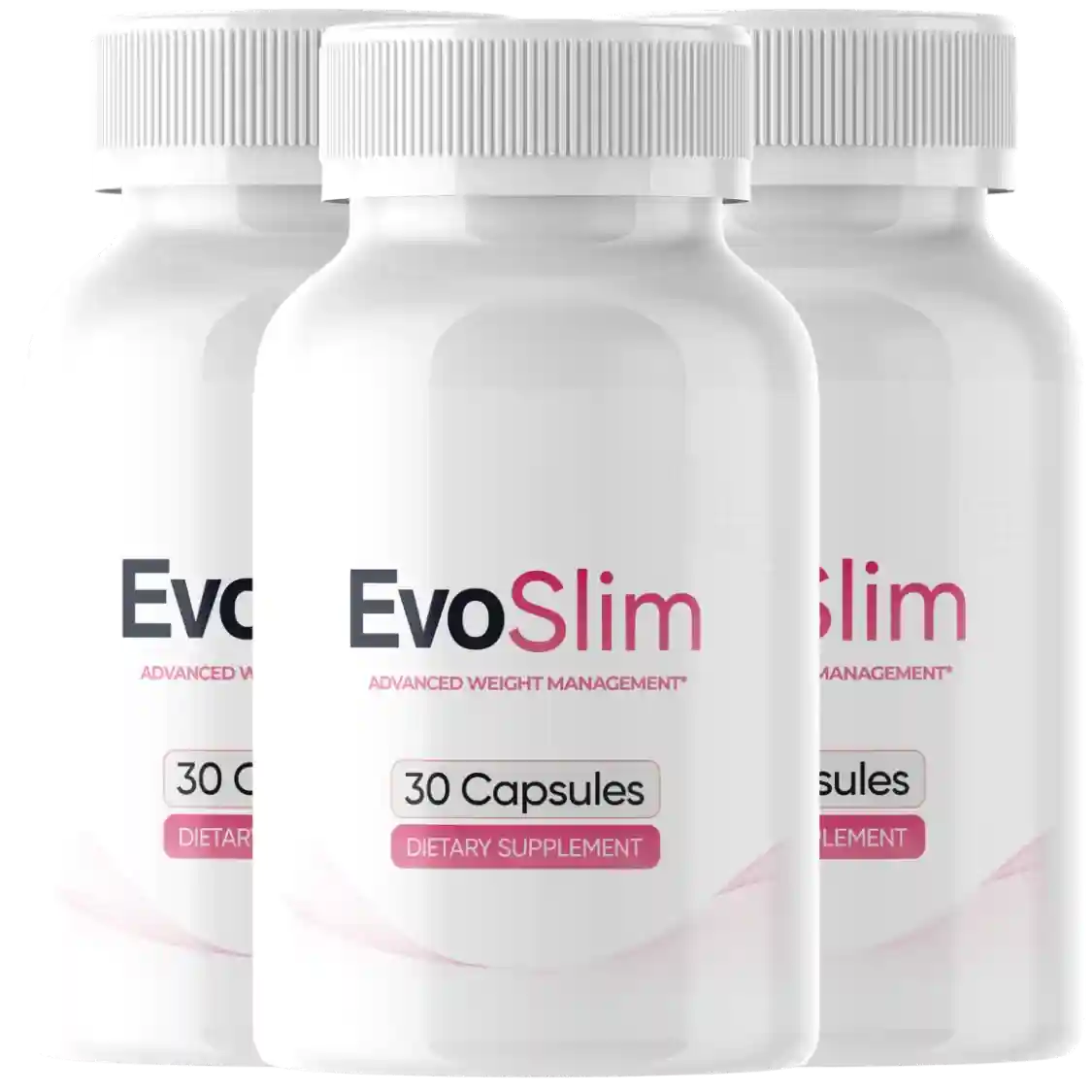
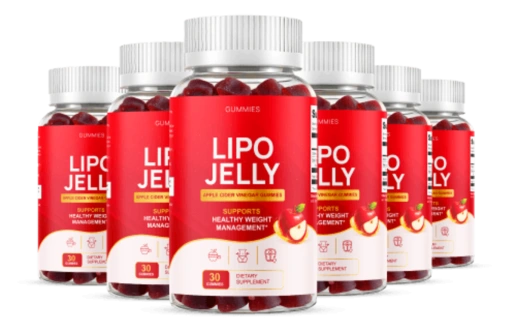
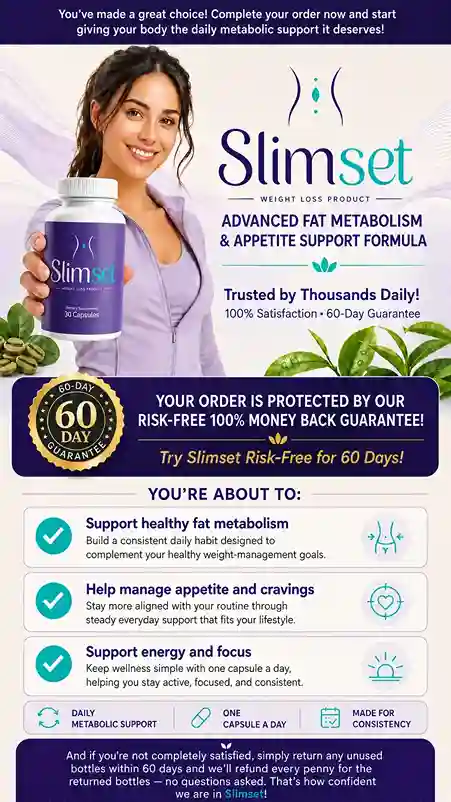
Supplements cannot replace the diet and exercise framework laid out in this guide. But for someone who has the basics in place, the right supplement can provide a meaningful supporting role — closing nutrient gaps, supporting metabolic rate, improving satiety, or addressing the gut-weight connection. Here's how the four weight loss supplements reviewed at WellnessDecision compare:
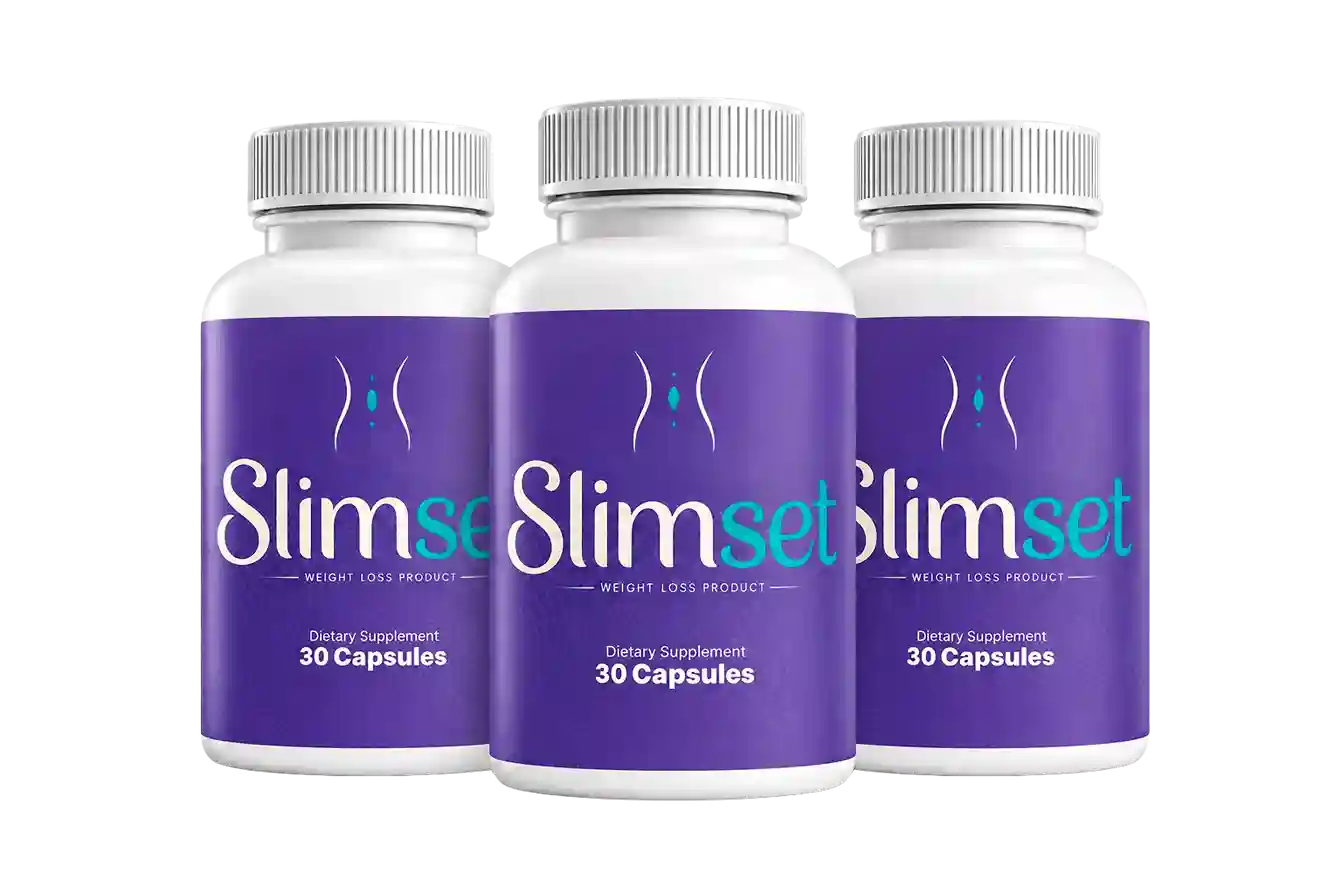
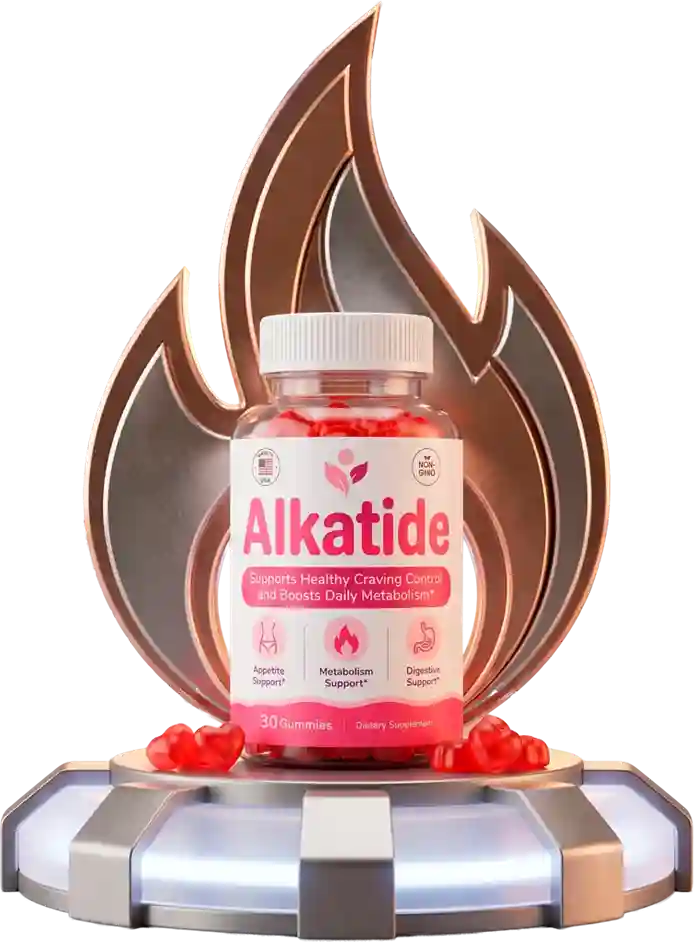
| Feature | EvoSlim Fat Burner |
SlimSet Metabolism |
Lipo Jelly ACV Gummy |
Alkatide ACV Gummy |
|---|---|---|---|---|
| Format | Capsule | Capsule | Gummy | Gummy |
| Primary Mechanism | Thermogenesis & fat mobilization | Metabolic rate support | Satiety & glucose | ACV + alkaline minerals |
| Ingredient Count | 6 ingredients | 5 ingredients | ACV + support blend | 3 ingredients |
| Stimulant Content | May contain stimulants | Check label | Stimulant-free | Stimulant-free |
| Gut Health Benefit | Indirect | Indirect | Direct (ACV) | Direct (ACV) |
| Best For | Gym users who want thermogenic support | Sluggish metabolism, plateau breaker | Post-meal glucose + appetite control | Simple ACV without complex formula |
| Also Pairs With | Fat burner gym workouts | Any diet approach | Mediterranean diet, high-fiber meals | Mediterranean diet, GM reset week |
| Full Review | Read → | Read → | Read → | Read → |
🔗 Also Reviewed at WellnessDecision — Weight & Gut Health
11. Frequently Asked Questions
How much protein do I need per day for weight loss?
Aim for 1.2–1.6g per kilogram of body weight, or roughly 0.7g per pound. A 150-lb person targets 105–110g daily minimum. Higher intakes (up to 1g/lb) are well-tolerated by healthy adults and produce better body composition outcomes during caloric restriction by reducing muscle breakdown while preferentially burning fat.
What is the best exercise to lose weight fast?
For fastest results: combine HIIT (2–3 sessions/week, 20–25 min each) with compound resistance training (3 sessions/week). HIIT produces the highest EPOC (afterburn) of any exercise type. Resistance training builds the muscle that permanently elevates your resting metabolic rate. Daily walking (8,000–10,000 steps) handles the daily NEAT that most gym-only programs miss. This triple combination consistently outperforms any single exercise modality for fat loss.
Is the Mediterranean diet actually effective for fat loss?
Yes — and it's one of the most evidence-supported long-term approaches. Multiple meta-analyses show the Mediterranean diet produces significant fat loss and waist circumference reduction versus control diets over 12 months. The mechanism is not magic — it's the natural combination of high fiber (satiety), lean protein (muscle preservation), anti-inflammatory fats (oleic acid reducing fat storage inflammation), and low glycemic load (controlling insulin-driven fat storage). Most importantly, it's sustainable.
Does the GM diet work? How much weight can you lose?
The GM diet produces 5–7 lbs of scale weight loss in 7 days — but the majority is water weight and glycogen depletion, not fat. There's no published clinical trial supporting it for long-term fat loss. It works well as a short-term motivational reset or a way to break sugar and processed food dependency. Follow it with a sustainable Mediterranean diet + exercise plan to convert the initial result into lasting change.
Should women lift weights to lose weight?
Absolutely yes — and this may be the single most important fitness advice for women. Resistance training raises resting metabolic rate, improves insulin sensitivity, protects bone density (critical post-menopause), and produces superior body composition changes versus cardio alone. Women will not get "bulky" from resistance training without pharmaceutical assistance — they simply don't have enough testosterone for that response. The goal body that most women describe (lean, toned, defined) requires muscle — and muscle requires lifting weights.
What are the best high fiber foods for weight loss?
Top high-fiber foods for weight loss: Chia seeds (10g/30g), flaxseeds (8g/30g), black beans (8.7g/100g), lentils (8g/100g), avocado (6.7g/100g), oats (4g/cup cooked), pears (5.5g), apples with skin (4.4g), broccoli (2.6g/100g), and almonds (12.5g/100g). Pair fiber-rich foods with high-protein sources at every meal for maximum satiety — the combination controls hunger from three simultaneous pathways.
Can supplements replace diet and exercise for weight loss?
No supplement can replace a caloric deficit and regular physical activity — those are the irreplaceable foundations. What supplements can do: support metabolic rate (SlimSet, EvoSlim), improve post-meal glucose control and satiety (Lipo Jelly ACV, Alkatide), and support the gut microbiome that influences fat storage signaling (Sodamelt, SodaFit). Think of them as tools that make an existing good strategy work better — not a strategy on their own. See our full Wellness Supplements Guide for the complete framework.
📚 More WellnessDecision Guides
Medical & Fitness Disclaimer: This guide is for informational and educational purposes only. Exercise recommendations should be adapted to your current fitness level — consult a physician before starting a new exercise program, especially if you have cardiovascular, joint, or metabolic health conditions. Dietary advice in this guide reflects general evidence-based nutritional science and does not replace personalized guidance from your healthcare provider or registered dietitian. Supplement reviews are editorial — no affiliate links appear in this article. See our Editorial Policy and Affiliate Disclosure.