Wellness Supplements Guide 2026 — Supplement Facts, Healthy Habits & Better Health Across Every Category
The American wellness supplement market exceeded $58 billion in 2025, yet consumer confusion about what supplements actually do — and what healthy habits they require alongside — has never been higher. Terms like supplement facts, health pills, wellness supplements, and diet supplements are used interchangeably without much precision. Labels promise everything. Third-party influencer endorsements skip the clinical evidence. And shoppers are left trying to bridge the gap between a marketing headline and a Supplement Facts panel that may — or may not — support it.
This guide closes that gap. It covers every major wellness supplement category in one place: how to read supplement facts correctly, which healthy habits form the non-negotiable foundation for supplement efficacy, and a mapped view of the formulas WellnessDecision has reviewed for gut health, weight loss, heart health, testosterone, sleep, joint health, brain health, and men's wellness. No promotional language. No inflated claims. Just the evidence-anchored picture that a Registered Nutritionist-Dietitian can actually stand behind.
1. How to Read Supplement Facts — The Complete Panel Explained
Every dietary supplement sold in the United States must carry a Supplement Facts panel — a standardized label mandated by the FDA under 21 CFR Part 101. Understanding this panel is the single most important skill any supplement consumer can develop, because the marketing copy above it and the clinical reality inside it can diverge dramatically.
📋 What the Panel Must Include
- Serving size & servings per container
- Each ingredient's amount per serving
- % Daily Value (%DV) where established
- Ingredients with no established %DV
- Other ingredients (excipients, fillers, capsule)
- Allergen declaration (Big 9 allergens)
⚠ Red Flags to Watch For
- Proprietary blends (dose hidden)
- Serving size of 1 capsule for a 15-ingredient formula
- Missing % DV for known vitamins/minerals
- Vague ingredient names ("herbal extract")
- No other ingredients disclosure
- Missing allergen declaration
The Proprietary Blend Problem
A proprietary blend lists the blend's total weight but hides individual ingredient doses. A formula may list "Energy Matrix 800mg" containing 10 ingredients — but each ingredient could be as little as 1mg with 790mg of cheap filler making up the balance. Without disclosed doses, you cannot assess whether any ingredient reaches a clinically meaningful threshold. The best-formulated supplements always disclose individual ingredient amounts. At WellnessDecision, undisclosed proprietary blends are treated as a significant formulation quality concern in every review, including our coverage of SodaPeak, MemoVolt, and HoneyPower.
Understanding % Daily Value
The % Daily Value column compares each nutrient to the FDA's established reference intakes for a 2,000-calorie diet. A supplement providing 200% DV of Vitamin D is delivering twice the standard reference amount — which may be therapeutic or unnecessary depending on your baseline blood level. For ingredients without an established %DV (most botanical extracts, amino acids in non-standard contexts), the column shows a dash (—), which simply means no benchmark exists — it says nothing about the ingredient's clinical evidence or lack thereof. Always research the specific dose against PubMed literature, not the %DV column.
2. Healthy Habits for Better Health — The Non-Negotiable Foundation
The most important truth in nutritional science in 2026 is one that supplement marketing consistently obscures: wellness supplements amplify healthy habits — they cannot replace them. The clinical evidence for every supplement category reviewed on this site was generated in study populations that controlled for diet and lifestyle. A Berberine supplement studied for blood sugar control was tested in participants also managing carbohydrate intake. An Ashwagandha trial for testosterone was run on men also maintaining exercise programs.
The following habits for health create the metabolic, hormonal, and microbiome environment in which supplements deliver meaningful returns. Treat these as non-negotiable prerequisites, not optional additions:
💤 Habit 1 — Consistent Sleep (7–9 Hours, Fixed Wake Time)
Sleep is the single most powerful anabolic and recovery intervention available to humans — more potent than any supplement. During deep sleep stages, the body releases 70% of its daily growth hormone, consolidates memory, clears metabolic waste (including amyloid-beta implicated in cognitive decline), and resets cortisol rhythm. Irregular sleep timing disrupts the circadian clock that governs every hormone in the body. Before adding any testosterone supplement, cognitive formula, or gut health product, address sleep quality first. See our sleep and auditory wellness coverage for related insights.
🥒 Habit 2 — Whole-Food Dominant Nutrition (80/20 Principle)
No wellness supplement compensates for a diet of ultra-processed foods. The gut microbiome diversity that probiotic supplements attempt to support is built primarily through dietary fiber from whole plants — legumes, vegetables, fruits, whole grains. The Mediterranean dietary pattern has more published cardiovascular outcome data than any supplement ever studied. The 80/20 principle — 80% whole food sources, 20% flexibility — creates the nutritional context where targeted supplements produce measurable outcomes. See our blood sugar supplement guide for the diet-supplement interaction analysis.
🏃 Habit 3 — Daily Movement (Steps + Resistance Training)
The CDC recommends 150 minutes of moderate aerobic activity plus 2 muscle-strengthening sessions weekly. This baseline movement drives: GLUT-4 translocation (glucose uptake independent of insulin), testosterone secretion, BDNF (brain-derived neurotrophic factor) production for cognitive health, and gut motility for digestive wellness. Every supplement category covered in this guide — from joint health to testosterone support — responds better in individuals maintaining regular physical activity.
🧠 Habit 4 — Stress Management (Cortisol Control)
Chronic psychological stress elevates cortisol, which directly suppresses testosterone via the HPA-HPG axis competition, degrades the gut mucosal barrier (increasing intestinal permeability), promotes visceral fat deposition, and accelerates neuroinflammation. Adaptogens like Ashwagandha — present in formulas like Horsewood and SpartaMax — directly target cortisol modulation, but they work most powerfully in combination with behavioral stress management practices: breathwork, cold exposure, nature exposure, and social connection.
💧 Habit 5 — Adequate Hydration (2–3 Liters Daily)
Water is the transport medium for every supplement you take. Capsule dissolution, ingredient absorption through the small intestinal mucosa, hepatic metabolism, and renal clearance of metabolic byproducts all depend on adequate intracellular and extracellular fluid. Mild dehydration (as little as 2% body water deficit) measurably impairs cognitive performance, joint lubrication via synovial fluid, and cardiovascular efficiency. Most adults are chronically mildly dehydrated. Drink 500ml of water with every supplement dose for maximal bioavailability.
3. Gut Health Supplements — The Microbiome-Weight Connection
The human gut hosts approximately 38 trillion microorganisms — outnumbering human cells nearly one-to-one. This microbiome is not a passive passenger. It actively influences caloric extraction from food, short-chain fatty acid (SCFA) production for colonocyte energy, bile acid metabolism, immune modulation, and the gut-brain axis that connects digestive health to mood, cognition, and appetite regulation. The National Institute of Diabetes and Digestive and Kidney Diseases (NIDDK) identifies the gut microbiome as one of the most rapidly advancing research frontiers in metabolic medicine.
For gut health supplements for weight loss, the mechanistic evidence points to two primary pathways: (1) restoring Bacteroidetes-to-Firmicutes ratio toward the lean phenotype profile, and (2) increasing SCFA production (particularly butyrate) which activates L-cell secretion of GLP-1 and PYY — the same satiety hormones that pharmaceutical GLP-1 agonists target through different mechanisms. This is why best supplements for gut health and weight loss combine probiotic strains with prebiotic fiber — the fiber feeds the bacteria that produce the metabolic benefits.
Key Gut Health Supplement Categories
Probiotics
Live beneficial bacteria — Lactobacillus, Bifidobacterium. Restore microbial diversity. Look for CFU counts post-manufacture, not at time of production.
Prebiotics
Non-digestible fiber (inulin, FOS, GOS, resistant starch) that feeds beneficial bacteria. Essential partner to probiotic supplementation for sustained microbiome shifts.
Digestive Enzymes
Amylase, protease, lipase, lactase support macronutrient breakdown, reducing digestive burden and improving nutrient bioavailability from food and supplements.
WellnessDecision Gut Health & Digestive Reviews
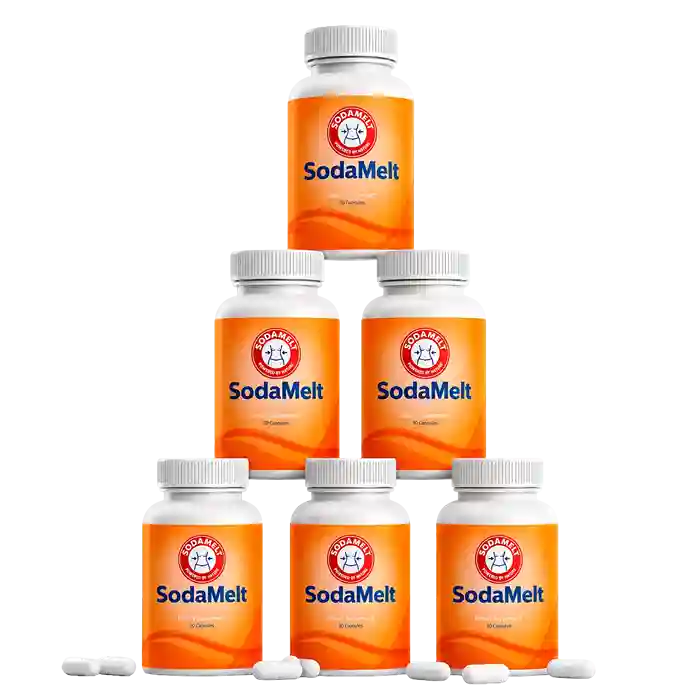
Sodamelt — 12-Ingredient Digestive Capsule
Comprehensive digestive formula combining probiotics, prebiotics, digestive enzymes, and gut-lining support ingredients. The most complete gut health formula reviewed on WellnessDecision for total digestive wellness and microbiome restoration.
Full Review →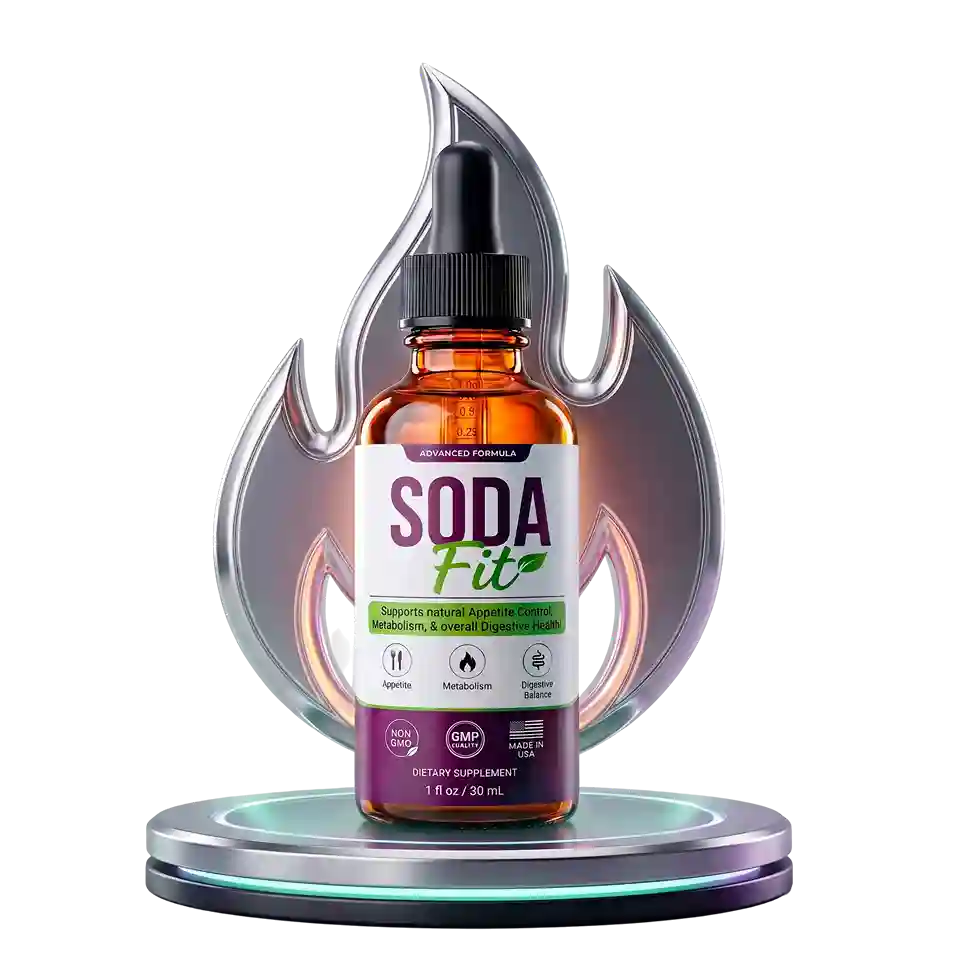
SodaFit — 6-Ingredient Liquid Gut Formula
Liquid-format gut and metabolic support formula. Liquid delivery offers faster gastric transit than capsules — ingredients reach the small intestine sooner, potentially improving probiotic survival rates past gastric acid exposure.
Full Review →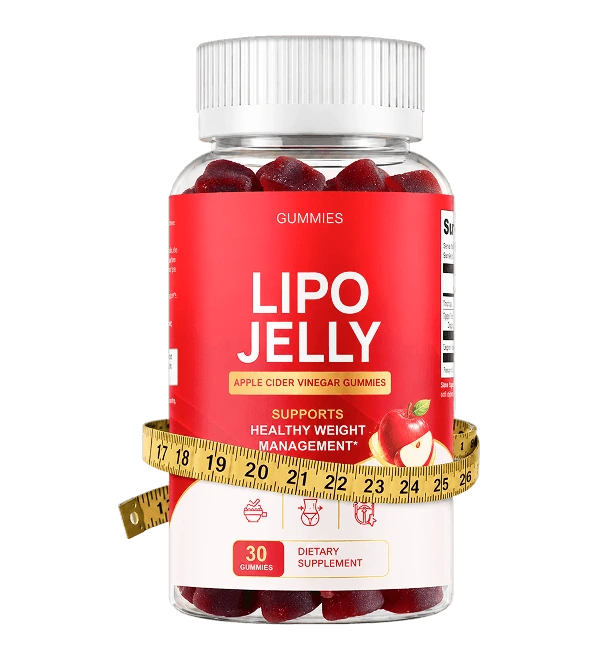
Lipo Jelly ACV Gummies — Gut & Weight
Apple Cider Vinegar gummies that sit at the gut-weight intersection: ACV's acetic acid supports digestive acid balance and post-meal glucose response — two mechanisms directly relevant to gut health and metabolic weight management.
Full Review →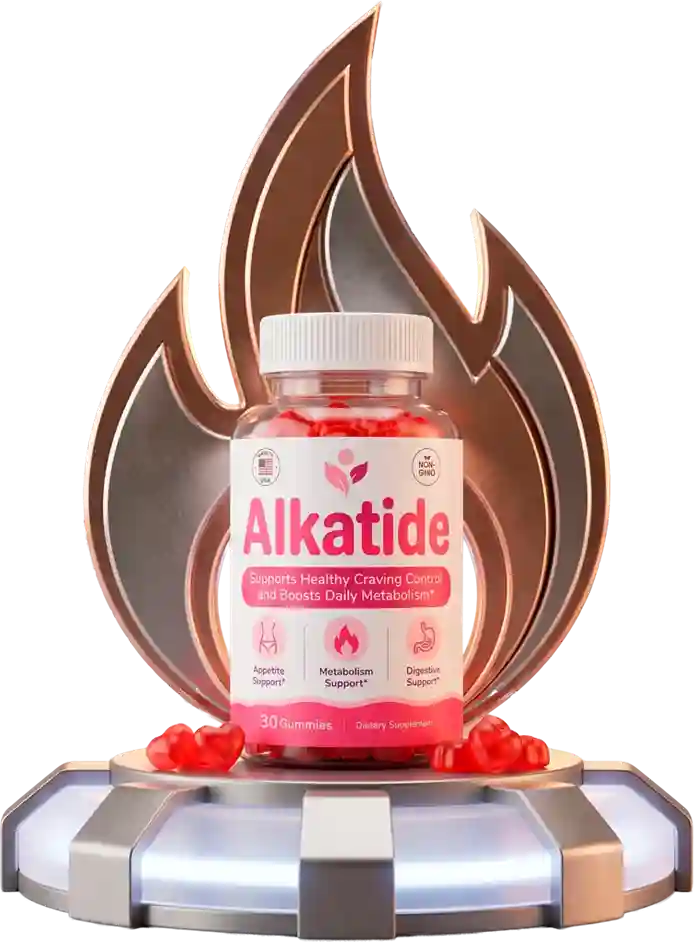
Alkatide — 3-Ingredient ACV Gummy
A streamlined 3-ingredient ACV gummy with alkalizing mineral support. For consumers who want the apple cider vinegar gut-health benefit without a complex multi-ingredient formula.
Full Review →4. Weight Loss & Diet Supplements — What the Evidence Says
Weight management is the most overclaimed category in the supplement industry. The Federal Trade Commission has taken more enforcement actions against weight loss product companies than any other supplement category. This makes honest analysis particularly important here.
What diet supplements can legitimately do: Support metabolic rate through thermogenic ingredients (green tea extract, cayenne pepper, caffeine at evidence-based doses). Reduce appetite through fiber-based satiety signals and glucomannan expansion. Improve insulin sensitivity to reduce fat storage signaling (Berberine, Chromium). Support the gut-weight axis as described above. Provide nutrients that support exercise performance and recovery, enabling more effective caloric expenditure.
What no weight loss supplement can do: Create a caloric deficit without dietary change. Override the physiological adaptations that occur during caloric restriction (metabolic rate downregulation). Produce sustainable fat loss in the absence of the healthy habits outlined in Section 2. See our dedicated weight loss supplements category page and our article How to Choose a Blood Sugar Supplement for the metabolic context.
Weight Loss Supplements Reviewed at WellnessDecision
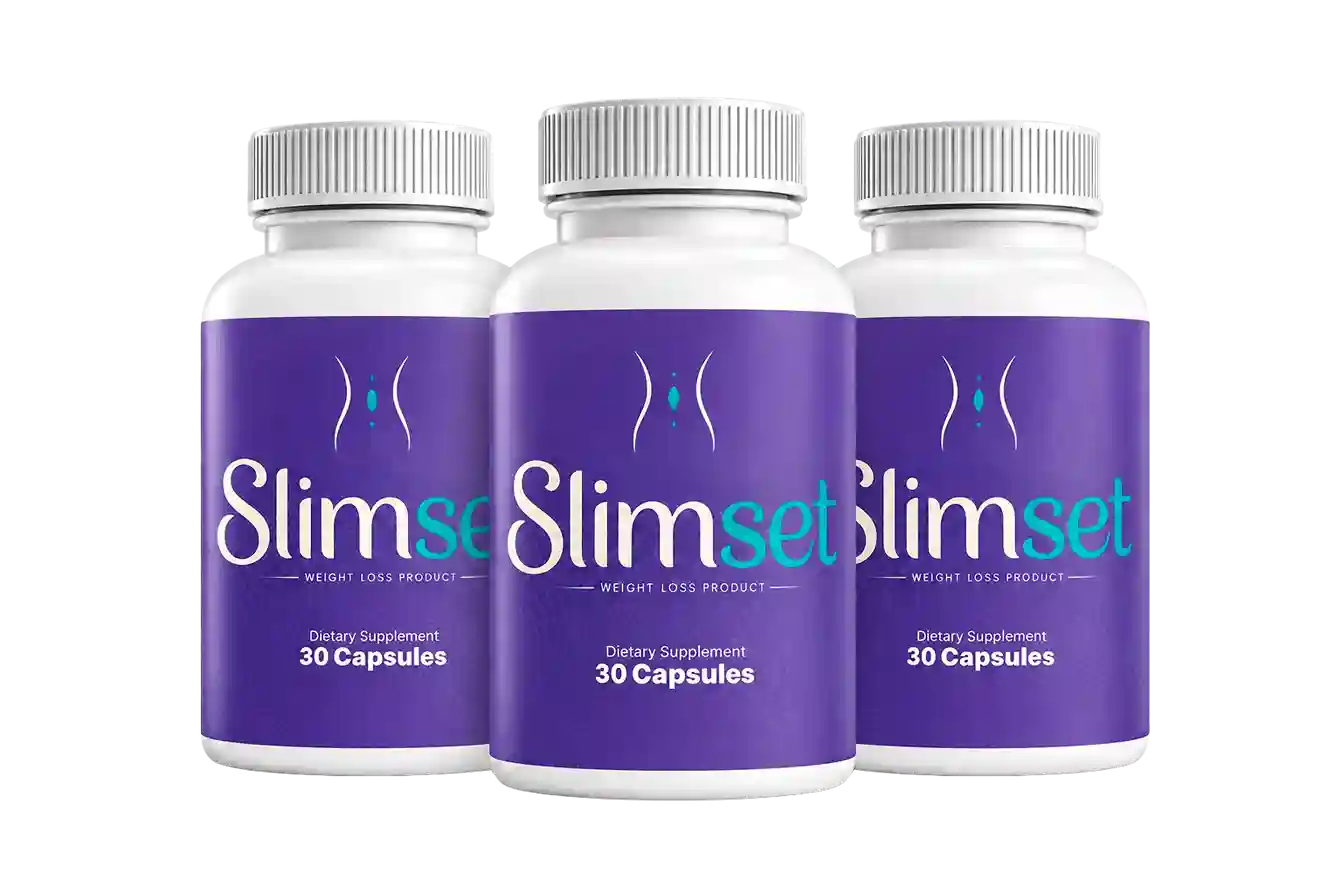
SlimSet — 5-Ingredient Metabolism Capsule
A focused metabolism formula with 5 clinically studied ingredients targeting the thermogenic and appetite regulation pathways of weight management.
Full Review →
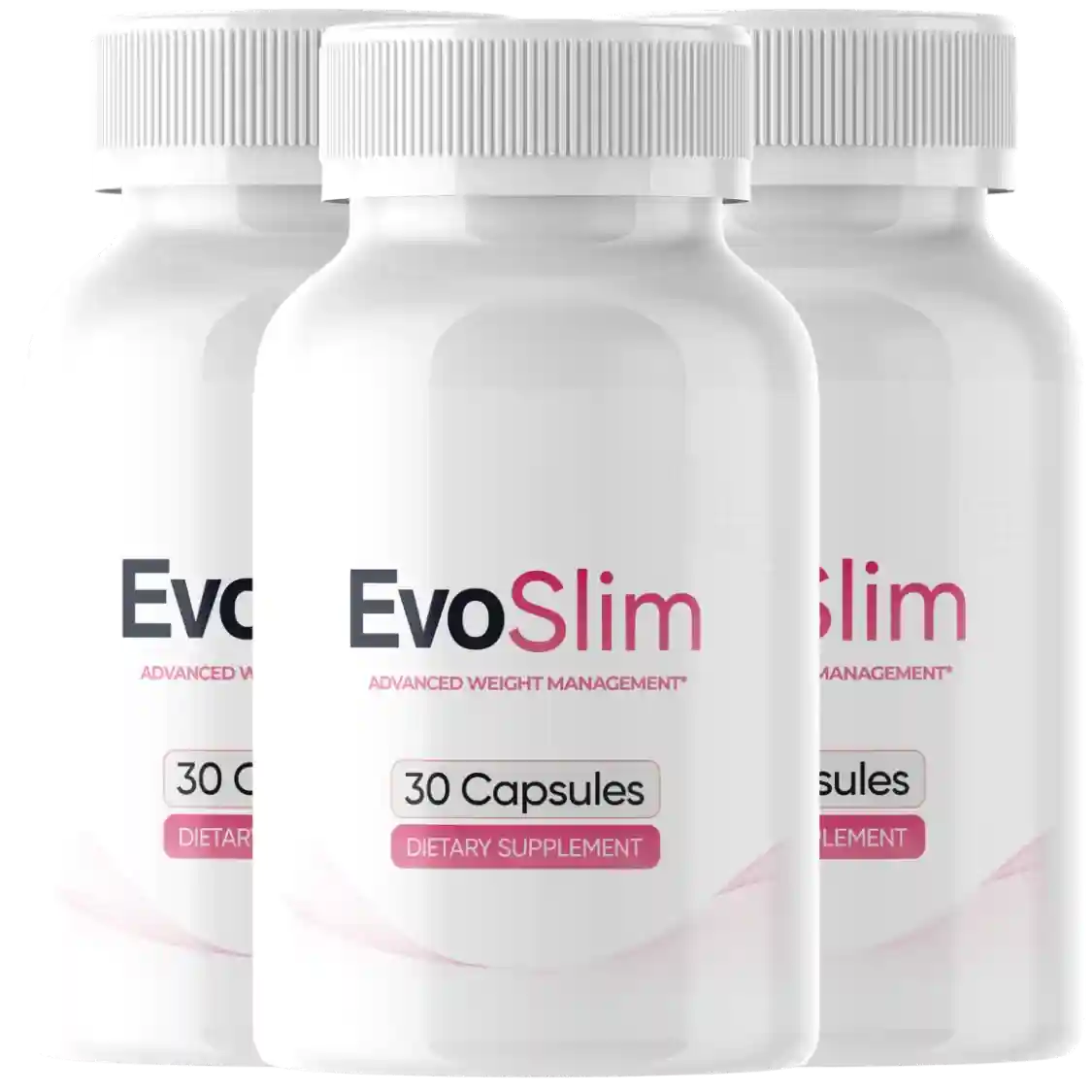
EvoSlim — 6-Ingredient Fat Burner
Six-ingredient thermogenic formula designed for metabolic rate support and fat mobilization, with honest assessment of stimulant content and precautions.
Full Review →
Lipo Jelly — ACV Weight Management Gummy
Apple cider vinegar in daily gummy form, targeting post-meal glucose stabilization and satiety signaling for a gut-supportive weight management approach.
Full Review →
SodaFit — Liquid Metabolic Formula
Liquid-format supplement bridging gut health and metabolic weight support — a dual-pathway approach for consumers addressing digestive wellness and weight simultaneously.
Full Review →5. Heart Health Supplements — Cardiovascular Wellness Nutrition
Cardiovascular disease remains the leading cause of death in the United States, responsible for 1 in every 5 deaths according to the American Heart Association. The nutritional science of cardiovascular support is one of the most evidence-rich areas in supplement research, with decades of clinical data behind key nutrients and botanicals. See our dedicated heart health supplements category page for in-depth coverage.
❤️ Blood Pressure Support
Magnesium, Garlic, Hawthorn, L-Arginine, Potassium — all have published research supporting normal blood pressure maintenance in healthy adults. ⚠ Always consult physician if on prescribed antihypertensives.
BloodPril Review →⚖️ Circulation & Nitric Oxide
L-Arginine, L-Citrulline, Niacin — the nitric oxide precursor pathway supports vasodilation, endothelial health, and peripheral circulation. Formulas like VapoCept use this pathway for both cerebral and cardiovascular applications.
💧 CoQ10 & Mitochondrial
CoQ10 (Ubiquinol form preferred) supports cardiac muscle energy production. Critically depleted by statin medications — supplementation is clinically relevant for statin users. L-Carnitine supports fatty acid transport into mitochondria for cardiac energy.
Lungora Review →6. Testosterone Supplements — Men's Hormonal Health
Total testosterone in American men has been declining at approximately 1% per year since the 1980s — a trend documented across population cohort studies independent of age. See our detailed analysis in Testosterone Decline Statistics 2026 and our complete guide How to Improve Testosterone Naturally: 12 Proven Methods. For men over 40, the compounded effect of age-related decline and population-level trend creates a meaningful hormonal challenge that testosterone supplements can support as part of a broader lifestyle strategy.
The most evidence-supported natural testosterone ingredients and their mechanisms:
| Ingredient | Primary Mechanism | Evidence Level |
|---|---|---|
| Ashwagandha KSM-66 | Cortisol reduction → HPG axis restoration → testosterone increase | Strong (multiple RCTs) |
| Tongkat Ali (LJ100) | SHBG reduction → more free testosterone; LH stimulation | Strong (RCTs in men 40+) |
| Fenugreek | 5α-reductase inhibition → maintains testosterone; DHT modulation | Moderate (several RCTs) |
| Zinc | Essential cofactor for testosterone synthesis; aromatase inhibition | Strong (deficiency-restoration) |
| Vitamin D3 | Steroidogenesis support; strong correlation between deficiency and low T | Strong (large observational) |
| Maca Root | Libido and energy (not direct T elevation); adaptogenic HPA support | Moderate (libido, not T) |
WellnessDecision Testosterone & Men's Health Reviews
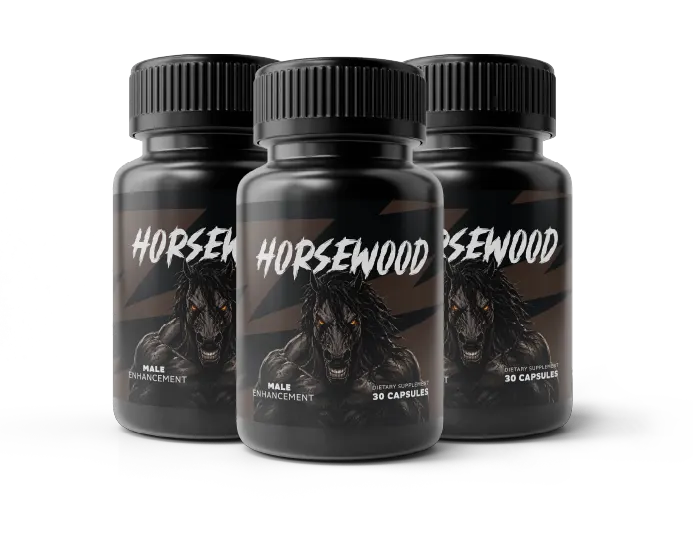
Horsewood — 7-Herb Testosterone Formula
7-herb blend anchored by Ashwagandha KSM-66 and Tongkat Ali for testosterone and cortisol support.
Full Review →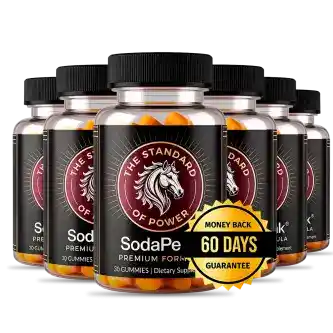
SodaPeak — 10-Ingredient Male Gummy
10-ingredient daily gummy targeting testosterone, libido, and male vitality in a palatable chewable format.
Full Review →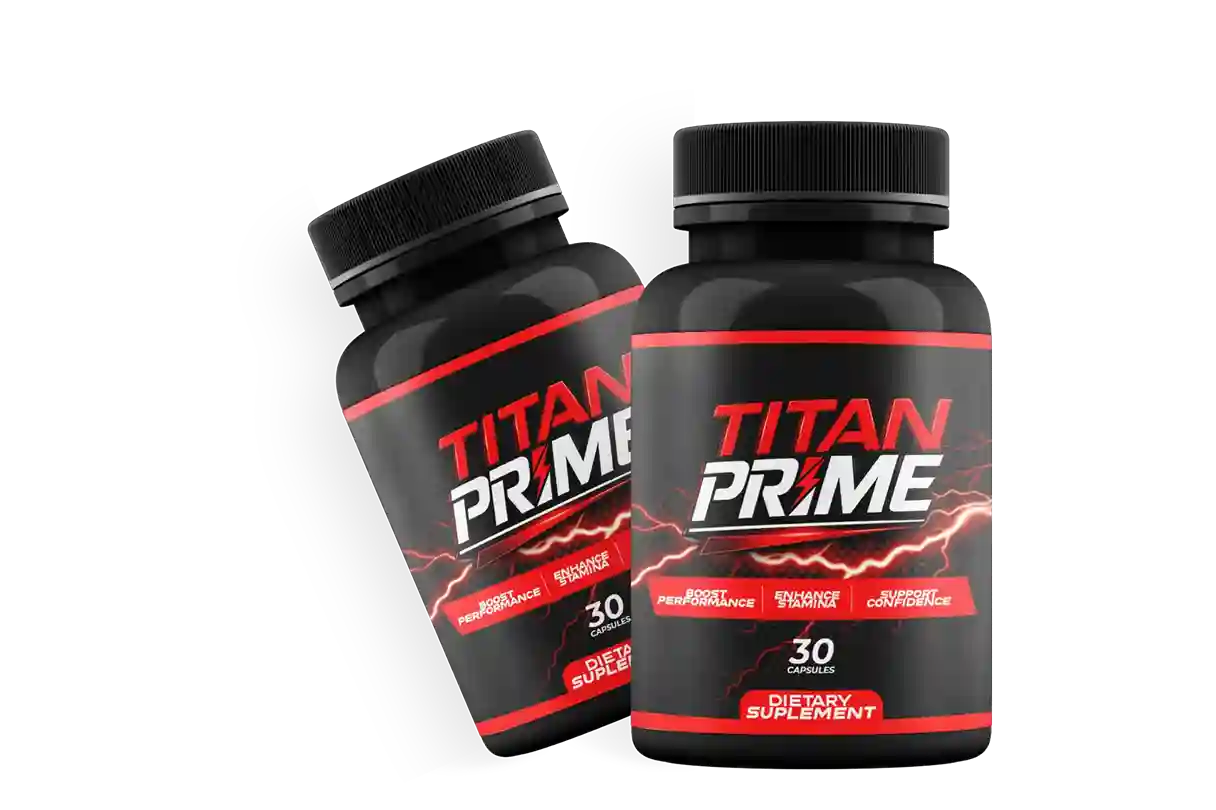
TitanPrime — 8-Ingredient Male Vitality
8-ingredient capsule formula targeting testosterone, energy, and male performance with disclosed ingredient doses.
Full Review →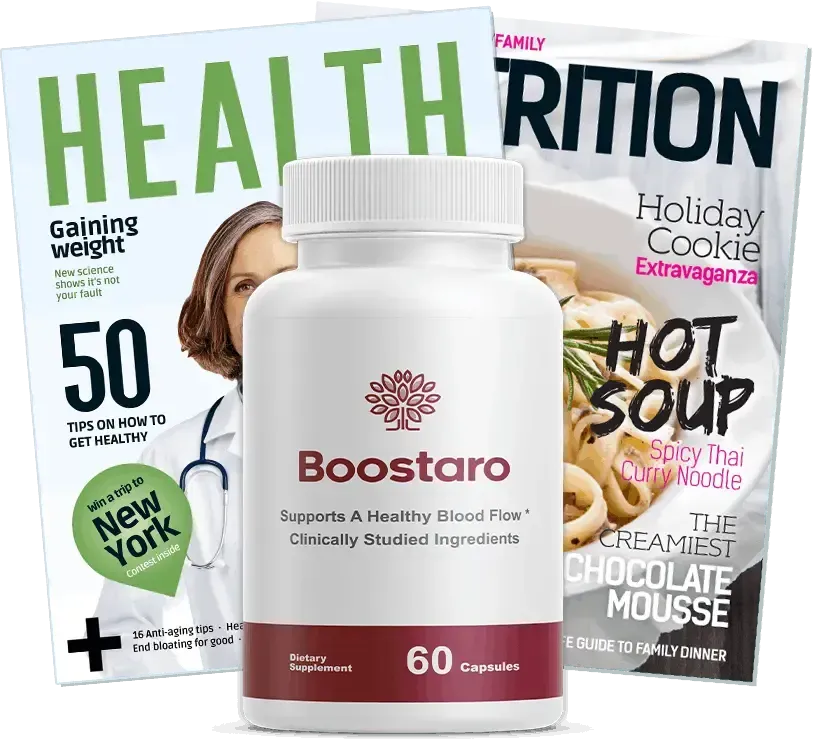
Boostaro — 8-Ingredient Circulation & T-Support
Combines nitric oxide precursors (L-Citrulline, Vitamin C, L-Lysine) with testosterone-supporting nutrients for a dual cardiovascular-hormonal approach.
Full Review →Also reviewed: SpartaMax 7-Ingredient, VigorHorse 7-Ingredient, Jelly Force 5-Herb, HoneyPower 7-Ingredient, Horse Peak Gelatin Gummy, SodaBoost Male Performance Gummy. Complete coverage at our Men's Health category page and Best Supplements for Men guide.
7. Sleep Supplements — Circadian Support & Nervous System Recovery
Quality sleep is simultaneously the most important health behavior and the most undervalued. The National Heart, Lung, and Blood Institute (NHLBI) links chronic sleep deficiency to increased risk of heart disease, kidney disease, high blood pressure, diabetes, stroke, obesity, and depression. Sleep supplements are nutritional tools that support the body's natural sleep-wake architecture — they do not sedate artificially, and the best formulas work by removing physiological barriers to sleep rather than forcing unconsciousness.
The Three Sleep Supplement Mechanisms
GABA & Nervous System Calming
Ashwagandha KSM-66 (600mg) reduces cortisol and increases GABAergic neurotransmission. L-Theanine (200mg) promotes alpha-wave brain activity — a relaxed-alert state compatible with sleep onset. Magnesium Glycinate (300–400mg) activates GABA receptors and relaxes smooth muscle. Lemon Balm inhibits GABA transaminase, increasing available GABA.
Circadian Rhythm Support
Melatonin at physiological doses (0.5–1mg, not the 10mg doses commonly found in retail supplements) signals the suprachiasmatic nucleus to advance the sleep phase. Higher doses do not produce deeper sleep — they produce grogginess. 5-HTP is the serotonin precursor and melatonin precursor upstream in the tryptophan pathway — it supports melatonin synthesis from dietary amino acid substrates.
Adenosine Sleep Pressure
Magnesium L-Threonate specifically supports adenosine receptor sensitivity in the brain. Adenosine is the sleep pressure molecule that accumulates during wakefulness and drives sleep drive — caffeine's wakefulness effect works by blocking adenosine receptors, which is why caffeine after 2pm disrupts sleep even when it doesn't feel like it does.
⚠ Note on Quiet Tone: Our Quiet Tone 18-ingredient tinnitus formula contains several ingredients relevant to sleep quality through their neurological support mechanisms — tinnitus and sleep disruption are clinically linked, with ringing in the ears being a leading cause of sleep onset insomnia. Addressing auditory nerve health may be relevant to sleep quality for affected individuals.
8. Joint Health Supplements — Cartilage, Lubrication & Inflammation
The CDC estimates 58.5 million American adults have doctor-diagnosed arthritis, with osteoarthritis being the most prevalent form. Joint health supplements are one of the most evidence-supported supplement categories, with decades of clinical data behind key ingredients. See our detailed joint health supplements category page, our statistical deep-dive at Joint Health Statistics 2026, and our guide How to Support Joint Health After 50.
🦴 Cartilage Rebuilding
Glucosamine Sulfate (1,000mg minimum) and Chondroitin Sulfate are the most-studied natural cartilage support ingredients, with the GAIT trial being the largest human study. Collagen Type II (undenatured, UC-II) at 40mg supports immune tolerance to cartilage collagen. MSM provides sulfur for connective tissue matrix support.
💧 Joint Lubrication
Hyaluronic Acid is the primary glycosaminoglycan in synovial fluid — oral supplementation at ≥80mg/day has published evidence for knee joint fluid viscosity support. Boron supports calcium and magnesium utilization in bone and cartilage matrix formation. Vitamin D3 supports calcium metabolism and musculoskeletal health.
🔥 Anti-Inflammatory Support
Boswellia Serrata (AKBA fraction) inhibits 5-LOX enzyme, reducing leukotriene-driven joint inflammation. Turmeric/Curcumin (with black pepper extract for absorption) inhibits NF-κB inflammatory signaling. Both have significant published clinical data for joint comfort and mobility.
💊 Topical Delivery
Topical joint gels bypass the digestive system entirely, delivering active ingredients directly to periarticular tissue. Ideal for single-joint targeting, faster onset, and consumers with digestive sensitivities. Arnica Montana and MSM in topical form have published evidence for local joint comfort support.
Joint Supplements Reviewed at WellnessDecision
9. Brain & Cognitive Health Supplements — Memory & Mental Performance

Cognitive health supplement science operates on three primary mechanisms: (1) cerebral blood flow — increasing oxygen and nutrient delivery to neuronal tissue through nitric oxide pathway support; (2) neuronal energy — supporting mitochondrial ATP production in neurons, which have the highest metabolic energy demand per cell of any tissue in the body; and (3) neuroprotection — reducing neuroinflammation, oxidative stress, and amyloid precursor protein accumulation that underlies cognitive aging.
MemoVolt — 10-Ingredient Dual-Defense Brain Formula
The most comprehensive cognitive formula reviewed on WellnessDecision — 10 ingredients targeting both neuronal energy (Bacopa Monnieri, Lion's Mane, Ginkgo Biloba) and neuroprotective antioxidant pathways simultaneously.
Full Review →
VapoCept — 6-Ingredient Brain & Memory (L-Arginine / L-Citrulline / Niacin / Beta-Alanine)
Targets cerebral blood flow through the nitric oxide pathway (L-Arginine, L-Citrulline) plus NAD+ neuronal energy support (Niacin) and carnosine neuroprotection (Beta-Alanine) — a mechanistically coherent three-front cognitive approach. Stimulant-free.
Full Review →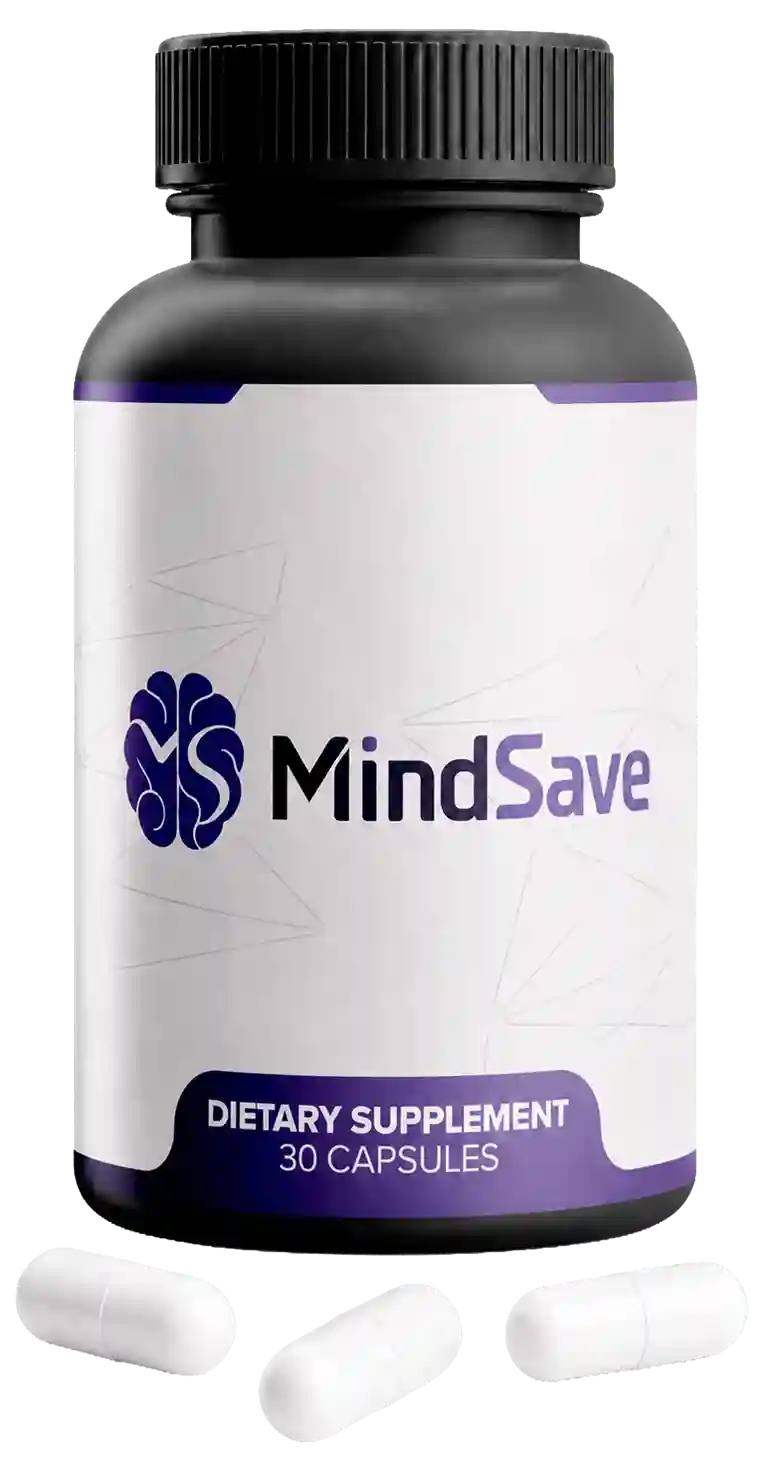
MindSave — 9-Ingredient Brain Fog Capsule
Specifically formulated for brain fog reduction — the cognitive performance dimension where post-COVID-19 neurological symptoms and chronic stress have increased consumer need significantly.
Full Review →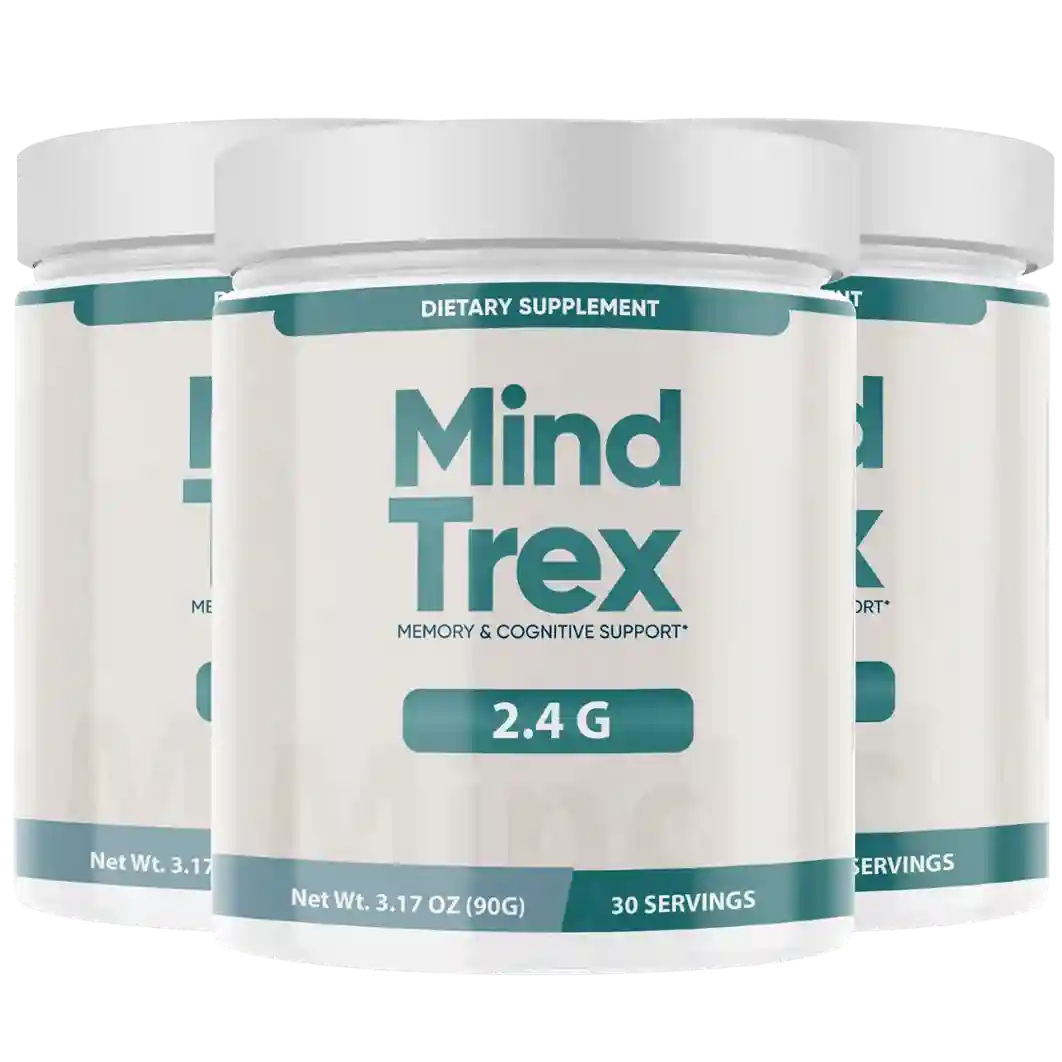
Mind Trex — 4-Ingredient Cognitive Powder
Powdered format cognitive supplement — faster dissolution and absorption versus capsule forms. Targets focus and working memory with a streamlined 4-ingredient formula for daily use.
Full Review →
Memodyne — 6-Ingredient Brain & Memory Formula
Six-ingredient memory-focused formula for adults noticing age-related cognitive changes — particularly word retrieval, short-term memory consolidation, and mental processing speed.
Full Review →10. How to Choose a Wellness Supplement — 6 Non-Negotiable Standards
These standards apply to every category covered in this guide. Before purchasing any wellness supplement, health pill, or dietary supplement product, verify all six:
Full Supplement Facts Panel — All Doses Disclosed
Every ingredient must have its individual dose disclosed in the Supplement Facts panel. Proprietary blends that hide amounts are an immediate disqualification. You cannot assess efficacy or safety without knowing how much of each ingredient you're taking.
Clinical Evidence at the Formulation Dose
Research the dose of each key ingredient against published clinical literature on PubMed. A 50mg dose of an ingredient studied at 500mg does not carry the evidence — the evidence belongs to the dose in the study, not the ingredient name.
cGMP-Certified or FDA-Registered Manufacturing
The FDA's cGMP regulations for dietary supplements require quality controls for identity, purity, strength, and composition. "Made in the USA" is not sufficient — look for cGMP-certified or FDA-registered facility documentation. Third-party tested means an independent lab verified what the label says is actually in the bottle.
60-Day Money-Back Guarantee Minimum
Most wellness supplements require 4–8 weeks of consistent use before effects become measurable. A 14-day or 30-day guarantee is insufficient to properly evaluate any formula. 60 days minimum — ideally with empty-bottle return accepted — is the consumer-respectful standard. Check the fine print for continuous-use requirements before refund eligibility.
Allergen Transparency & Drug Interaction Disclosure
Legitimate supplement companies proactively disclose known allergen content (shellfish in Glucosamine, soy in certain softgels) and known drug interactions (Berberine with metformin, Butcher's Broom with blood thinners, L-Arginine with PDE5 inhibitors, Garlic with anticoagulants). Absence of this transparency is a quality concern.
Verifiable Contact Information & Responsive Support
A real mailing address, phone number, and email are baseline requirements. Companies that hide behind anonymous PO boxes or provide only a web form with no response SLA are not companies you can trust with your health. Verify the company can be reached before purchasing.
11. Frequently Asked Questions About Wellness Supplements
What are supplement facts and how do I read them?
The Supplement Facts panel is the FDA-mandated label on every US dietary supplement. It lists serving size, servings per container, each ingredient's amount per serving, %DV where established, and other (inactive) ingredients. Key reading tips: check serving size first — a dose may be 2–4 capsules not 1. For ingredients showing "—" in the %DV column, there's no established reference — research that specific dose on PubMed. Proprietary blends that hide individual doses are a red flag. The Supplement Facts section above provides full guidance.
What are the best supplements for gut health and weight loss?
The gut-weight connection works through microbiome-driven satiety hormones (GLP-1, PYY), insulin sensitivity, and SCFA production. The best gut health supplements for weight loss combine probiotics (Lactobacillus, Bifidobacterium) with prebiotic fiber for sustained microbiome shifts, plus metabolic ingredients like Berberine or ACV. WellnessDecision reviews: Sodamelt (12-ingredient), SodaFit (liquid), and Lipo Jelly ACV Gummies.
Which healthy habits matter most before starting supplements?
Supplements amplify habits — they don't replace them. The five non-negotiable habits: (1) Consistent 7–9 hours sleep with a fixed wake time; (2) Whole-food dominant diet (80/20 principle); (3) Daily movement — 8,000+ steps plus 2 resistance sessions/week; (4) Stress management to control chronic cortisol elevation; (5) Adequate hydration — 2–3 liters daily for optimal supplement absorption. The full habit framework is detailed in Section 2 above.
Are wellness supplements the same as health pills?
Both are informal terms for dietary supplements regulated under DSHEA. "Health pills" typically describes single-nutrient supplements (Vitamin D, Magnesium). "Wellness supplements" typically describes multi-ingredient formulas targeting broader health outcomes (gut wellness, cognitive performance, cardiovascular support). Neither implies FDA drug approval — both categories are evaluated by the same 6-standard framework described above.
What is the best testosterone supplement for men over 40?
The best-evidenced combination is Ashwagandha KSM-66 (cortisol → HPG axis) + Tongkat Ali LJ100 (SHBG reduction) + Zinc (synthesis cofactor) + Vitamin D3 (steroidogenesis support). Products reviewed: Horsewood (7-herb), SodaPeak (10-ingredient gummy), TitanPrime (8-ingredient capsule). Always address lifestyle first — see our guide How to Improve Testosterone Naturally.
What supplements support better sleep naturally?
Three mechanisms: GABA calming (Ashwagandha, L-Theanine 200mg, Magnesium Glycinate 300mg, Lemon Balm), circadian rhythm support (Melatonin 0.5–1mg — not the 10mg retail doses), and adenosine sleep pressure support (Magnesium L-Threonate). Note: the biggest sleep saboteurs are caffeine after 2pm, irregular sleep timing, light exposure after sunset, and chronic stress. Supplements work within that lifestyle context, not instead of it.
What is the best supplement for joint health and pain?
For oral systemic support: AMP Joint 10 (Glucosamine 1,000mg + Chondroitin + Collagen Type II + Hyaluronic Acid + MSM + Turmeric + Boswellia + Boron + Manganese + Vitamin D) — note: contains shellfish. For topical direct relief: Kinzeno Gel (Arnica, MSM, Magnesium, Boswellia, Horse Chestnut — no allergen concerns). Both can be used together for comprehensive joint support.
📚 Complete WellnessDecision Guides & Category Pages
Medical Disclaimer: This guide is for informational and educational purposes only. Dietary supplements are not intended to diagnose, treat, cure, or prevent any disease. These statements have not been evaluated by the FDA. Always consult your physician or a qualified healthcare provider before beginning any supplement program, especially if you are pregnant, nursing, have a diagnosed health condition, or take prescription medications. Drug interaction warnings noted throughout this guide represent known interactions based on current published evidence and are not exhaustive. See our Editorial Policy and Affiliate Disclosure for full transparency. This article contains internal links to product reviews on WellnessDecision — no affiliate links are included in this informational guide.