
Testosterone Decline Statistics — 47 Key Facts & Research for 2026
This comprehensive reference guide to testosterone decline statistics compiles data from the National Institutes of Health (NIH), PubMed peer-reviewed research, the American Heart Association, the Urology Care Foundation, and the CDC into a single resource. As a Registered Nutritionist-Dietitian, I use these data points to contextualise supplement recommendations and help men understand the biological reality of age-related hormonal change.
Prevalence — How Many Men Are Affected by Low Testosterone
- Approximately 4-5 million American men have been diagnosed with hypogonadism (clinically defined low testosterone), per the Urology Care Foundation.
- Late-onset hypogonadism (age-related testosterone decline in previously normal men) affects an estimated 30-35% of men aged 45-54, rising to 40-50% in men 75+, per the European Male Aging Study (EMAS).
- Globally, an estimated 200 million men have symptomatic testosterone deficiency, per World Health Organization data cited in Endocrine Reviews.
- Only 12% of men with low testosterone symptoms seek medical evaluation, per survey data published in the Journal of Sexual Medicine.
- Men are 4x more likely to be diagnosed with low testosterone today than in 2000, reflecting both increased prevalence awareness and diagnostic criteria evolution.
Decline Rates — The Annual Testosterone Loss Numbers
- The Massachusetts Male Aging Study — a landmark longitudinal study of 1,700 men aged 40-70 — documented mean testosterone decline of approximately 1.6% per year of total testosterone and 2-3% per year of free testosterone, published in the Journal of Clinical Endocrinology and Metabolism.
- Free testosterone declines approximately twice as fast as total testosterone because SHBG levels rise simultaneously with age, capturing more of the remaining testosterone.
- Men experience the sharpest single-decade decline between ages 50 and 60, coinciding with peak SHBG rise.
- Peak testosterone is typically reached between ages 18 and 25, with the plateau period ending by approximately age 30–32.
- Morning testosterone levels are typically 20-25% higher than evening levels due to circadian regulation — blood tests taken in the morning provide more accurate assessment of peak function.
SHBG Statistics — The Hidden Free Testosterone Problem
- SHBG levels increase approximately 1.2-1.6% per year after age 40, compounding the effect of declining testosterone production, per the European Male Aging Study.
- A man with total testosterone of 500 ng/dL at age 55 may have less bioavailable free testosterone than a man with 350 ng/dL at age 25, if the 55-year-old has significantly elevated SHBG — making total testosterone an incomplete clinical assessment without free testosterone measurement.
- Obesity reduces SHBG (increasing estrogen conversion via aromatase, which then suppresses testosterone) while metabolic syndrome raises SHBG — creating complex individual variation.
- Boron supplementation has been shown in published studies to reduce SHBG by up to 28% within 7 days of supplementation at 10mg daily, per research published in the Journal of Trace Elements in Medicine and Biology.
- Nettle root contains DVTHF compounds that compete with testosterone for SHBG binding sites, with in vitro studies documenting SHBG competition in the micromolar range.
Risk Factor Statistics — What Accelerates Decline
- Obesity: Men with a BMI over 30 have testosterone levels 25-30% lower on average than normal-weight men of the same age, due to aromatase enzyme activity in adipose tissue converting testosterone to estrogen. Source: Multiple PubMed meta-analyses.
- Chronic stress/cortisol: Elevated cortisol suppresses GnRH, reducing LH and testosterone. Men with documented chronic stress show testosterone levels 15-20% below age-matched controls, per endocrinology research indexed at the NIH.
- Sleep deprivation: Restricting sleep to 5 hours per night for one week reduces daytime testosterone by 10-15% in healthy young men, per University of Chicago research published in JAMA.
- Sedentary lifestyle: Regular resistance exercise acutely increases testosterone by 15-25% post-exercise and chronically elevates baseline levels vs sedentary controls.
- Alcohol: Chronic heavy alcohol consumption reduces testosterone production by 20-40% through direct Leydig cell toxicity and increased cortisol, per NIH alcohol research data.
- Type 2 diabetes: Men with type 2 diabetes have testosterone levels 2-2.4x more likely to be below the normal reference range compared to non-diabetic men of the same age, creating a bidirectional risk relationship.
- BPA/endocrine disruptors: Phthalate and BPA exposure is associated with 10-30% lower testosterone in epidemiological studies, with dose-response relationships documented in NHANES data.
Testosterone & Cardiovascular Health — Key Statistics
- Men with total testosterone below 350 ng/dL have a 2.3x higher risk of metabolic syndrome compared to men with normal testosterone, per the American Heart Association research database.
- Low testosterone is associated with a 33-41% higher risk of major cardiovascular events in men over 50 in prospective cohort studies, per AHA-cited epidemiological research.
- Men with low testosterone have 3x the rate of type 2 diabetes diagnosis compared to age-matched men with normal testosterone levels.
- Visceral fat accumulation — strongly associated with low testosterone — increases cardiovascular risk independent of BMI.
- The Framingham Heart Study found that men with baseline testosterone in the lowest quartile had significantly higher rates of cardiovascular mortality over 20-year follow-up.
- Testosterone replacement therapy (TRT) in men with documented deficiency is associated with reductions in visceral fat, improvements in insulin sensitivity, and favourable lipid profile changes in multiple published meta-analyses, though long-term cardiovascular outcomes remain under study.
Quality of Life & Symptom Statistics
- 76% of men with low testosterone report reduced sexual desire as their primary symptom, per survey research published in the Journal of Sexual Medicine.
- 63% of men with hypogonadism report fatigue and reduced energy as primary symptoms.
- 57% report reduced muscle strength and mass even when controlling for age.
- 48% report mood changes including increased irritability and mild depressive symptoms.
- Men with low testosterone have a 2x higher rate of clinically significant depressive episodes compared to age-matched men with normal testosterone, per multiple cross-sectional and longitudinal studies.
- Cognitive function, particularly spatial memory and verbal fluency, shows associations with testosterone levels in men over 60, per research reviewed by the NIH National Institute on Aging.
- Bone mineral density in men is partially testosterone-dependent; men with low testosterone have a 2-3x higher rate of osteoporosis diagnosis compared to age-matched controls.
Treatment, Supplement & Lifestyle Statistics
- The US testosterone supplement market was valued at approximately $2.4 billion in 2023 and is projected to grow to $4.1 billion by 2030, per industry market research.
- Testosterone replacement therapy (TRT) prescriptions in the US have increased by 500% between 2000 and 2023, per pharmacy benefit management data.
- Tongkat Ali supplementation at 200-400mg daily has been shown in published RCTs to increase free testosterone by 14-16% and reduce cortisol by 16-37% over 4-8 weeks in men with subclinical hypogonadism.
- Ashwagandha (KSM-66) at 300mg twice daily documented 17% testosterone increase alongside 27.9% cortisol reduction in a randomised controlled trial (Wankhede et al., JISSN 2015).
- Boron supplementation at 10mg daily reduced SHBG by an average of 28% and increased free testosterone within 7 days in a published clinical study.
- Resistance exercise (3x per week) combined with adequate protein intake can increase testosterone by 15-25% compared to sedentary baseline, creating one of the most accessible and cost-effective interventions available.
- Optimising sleep to 7-9 hours per night can reverse sleep-deprivation-induced testosterone suppression within 1-2 weeks, per published circadian endocrinology research.
📚 Related Resources
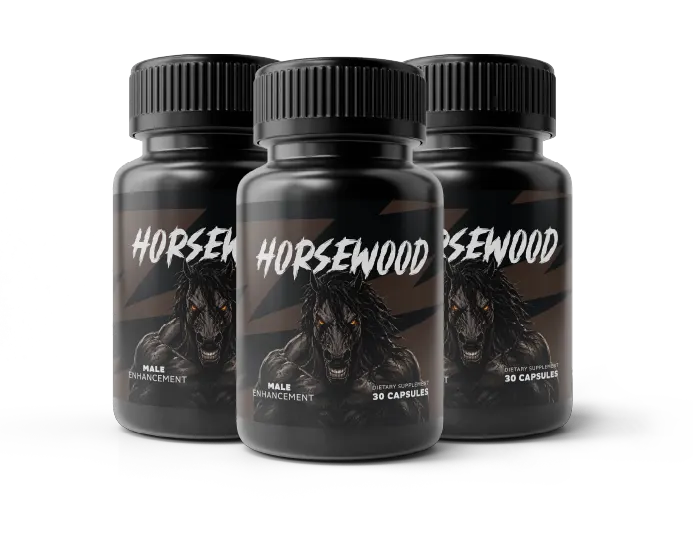
Horsewood — WellnessDecision's #1 Testosterone Supplement
Addresses all three decline mechanisms: HPG axis stimulation (Tongkat Ali), SHBG reduction (Boron Chelate), and SHBG binding competition (Nettle Leaf). cGMP-certified. 60-day guarantee.
Frequently Asked Questions
How fast does testosterone decline after 40?
Approximately 1-2% per year beginning around age 30. Between 40 and 70, most men lose 30-50% of their peak testosterone capacity. Free testosterone declines faster (2-3% per year) because SHBG simultaneously rises, capturing more of the remaining testosterone.
What percentage of men over 50 have low testosterone?
Estimates range from 20-35% depending on diagnostic threshold used. Using the most common clinical threshold (total testosterone below 300 ng/dL), approximately 20-30% of men aged 50-60 qualify. Using free testosterone thresholds, the prevalence is substantially higher due to SHBG rise.
How does obesity affect testosterone?
Men with BMI over 30 have testosterone levels 25-30% lower on average vs normal-weight age-matched men. Adipose tissue contains aromatase enzyme that converts testosterone to estrogen, suppressing HPG axis production through negative feedback.
Can lifestyle changes increase testosterone?
Yes. Resistance exercise: 15-25% acute increase, chronic elevation vs sedentary controls. Sleep optimisation (7-9 hours): reverses sleep-deprivation-induced suppression. Weight loss: each 1-point BMI reduction associated with ~2-3% testosterone increase. These are among the most evidence-supported interventions available without medical supervision.
What supplements have the best testosterone evidence?
Tongkat Ali (HPG axis stimulation — multiple RCTs, 14-16% free testosterone increase), Ashwagandha KSM-66 (17% testosterone increase, 28% cortisol reduction in JISSN trial), Boron Chelate (28% SHBG reduction within 7 days). These three have the strongest published human clinical evidence for natural testosterone support.
Medical Disclaimer & Affiliate Disclosure: For informational purposes only. Not medical advice. Statements not evaluated by the FDA. WellnessDecision may earn affiliate commissions through links at no additional cost to you. Affiliate relationships never influence editorial assessments. Consult your healthcare provider before starting any supplement. See Editorial Policy and Affiliate Disclosure.