The Science of Healthy Aging: 7 Body Systems You Can Support Naturally (2026 Guide)
Aging is inevitable — but how you age is largely within your control. According to the National Institutes of Health (NIH), lifestyle choices including nutrition, exercise, and targeted supplementation play a significant role in determining your health span — the number of years you live in good health, not just total lifespan.
This guide covers seven key body systems that decline with age and examines the science behind natural strategies — and supplements — that can help you support each one. We've combined peer-reviewed research with real-world product analysis to give you a complete picture.
1. Metabolism & Fat-Burning Efficiency
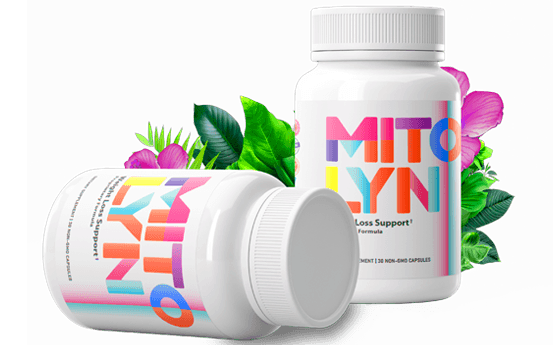
Your metabolism — the process by which your body converts food into energy — begins to slow in your 30s and continues declining with age. Mayo Clinic notes that this decline is partly due to loss of muscle mass (sarcopenia) and reduced mitochondrial activity — the cellular powerhouses responsible for energy production.
Research published in Cell Metabolism and reviewed by the NIH suggests that supporting mitochondrial health is one of the most promising approaches to maintaining a healthy metabolic rate as you age. Key nutrients studied include coenzyme Q10, alpha-lipoic acid, and plant-based bioactive compounds like maqui berry extract.
What You Can Do
- Engage in resistance training 2–3x per week to preserve lean muscle mass
- Eat adequate protein (0.8–1g per pound of bodyweight) to prevent muscle catabolism
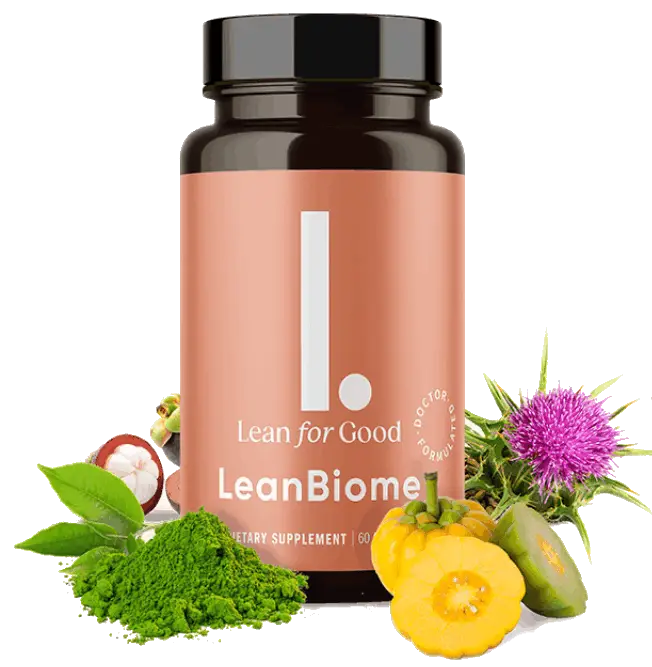
- Consider mitochondria-targeted supplementation for cellular energy support
- Stay hydrated — even mild dehydration reduces metabolic efficiency by up to 3%
2. Blood Sugar & Glucose Metabolism
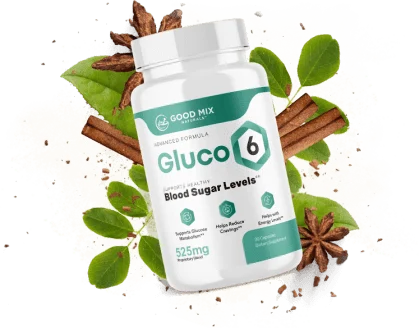
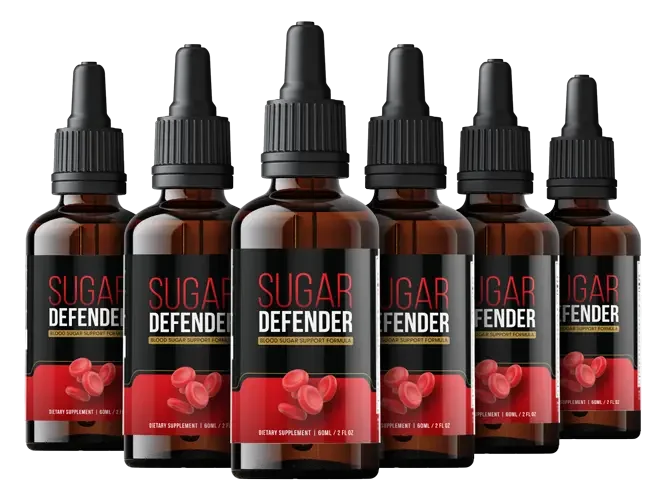
Insulin sensitivity naturally declines with age, making it progressively harder for your cells to use glucose efficiently. The CDC reports that 96 million American adults — more than 1 in 3 — have prediabetes, and 80% of them don't know it. Maintaining healthy blood sugar is one of the most important things you can do for long-term health and energy.
A landmark study in The Lancet showed that lifestyle interventions — particularly diet and moderate exercise — reduce the risk of progressing to Type 2 diabetes by 58%. Natural compounds like berberine have also shown promise in research reviewed by NIH's National Center for Complementary and Integrative Health.
What You Can Do
- Limit refined carbohydrates and added sugars in your daily diet
- Walk for 10–15 minutes after meals — research shows this alone reduces blood sugar spikes
- Prioritize fiber-rich foods (legumes, vegetables, whole grains) to slow glucose absorption
- Consider evidence-informed blood sugar support supplements
3. Oral Health & the Mouth-Body Connection
Your mouth is the gateway to your body — and poor oral health has been linked to cardiovascular disease, diabetes complications, and even cognitive decline. Mayo Clinic explains that bacteria from gum disease can enter the bloodstream and contribute to inflammation throughout the body.
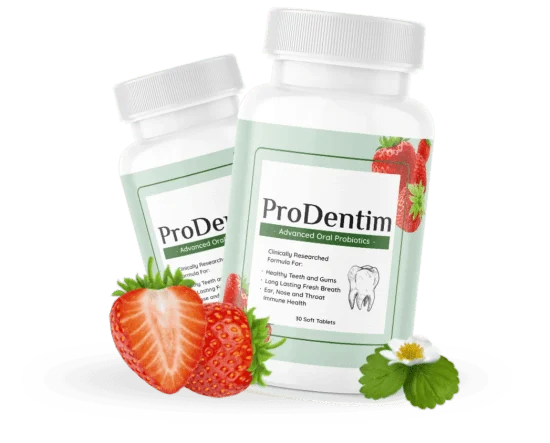
Emerging research highlights the importance of the oral microbiome — the community of bacteria living in your mouth. Studies on PubMed show that probiotic strains like Lactobacillus reuteri and Lactobacillus paracasei can help crowd out harmful bacteria, reduce gum inflammation, and even whiten teeth naturally by targeting plaque-forming organisms.
What You Can Do
- Brush twice daily and floss at least once — basic but non-negotiable
- Reduce sugar intake, which feeds cavity-causing bacteria
- Stay hydrated to maintain healthy saliva production
- Consider an oral probiotic to actively restore your mouth's microbiome
4. Joint Health & Mobility
Joint deterioration is one of the most common age-related complaints. The CDC reports that 54 million Americans have doctor-diagnosed arthritis, and the number is expected to reach 78 million by 2040. Much of this relates to the breakdown of synovial fluid — the natural lubricant cushioning your joints — and the degradation of cartilage over time.
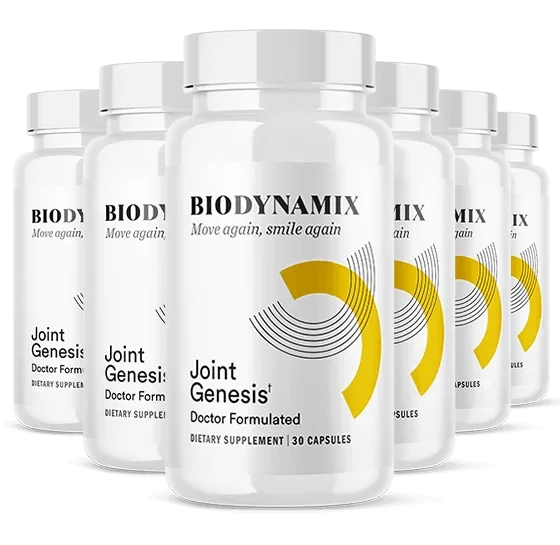
Research from Harvard Health Publishing highlights promising natural compounds including type II collagen, hyaluronic acid, and mobilee® (a patented chicken comb extract shown to increase synovial fluid production). These can be particularly beneficial for those with stiff knees, aching hips, or reduced shoulder mobility.
5. Gut Health & the Microbiome
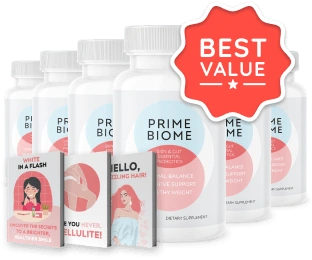
Your gut is sometimes called your "second brain" — and for good reason. Harvard Health describes a bidirectional gut-brain axis where the trillions of bacteria in your digestive tract influence everything from immune function to mood, weight, and even skin clarity.
Gut microbiome diversity naturally declines with age. A landmark 2021 study published in Nature found that people with higher microbiome uniqueness in older age had better health outcomes, lower inflammation, and longer survival. The NIH's National Institute of Diabetes recommends fermented foods, prebiotic fiber, and targeted probiotic supplementation to support gut ecosystem health.
6. Sleep & Overnight Recovery
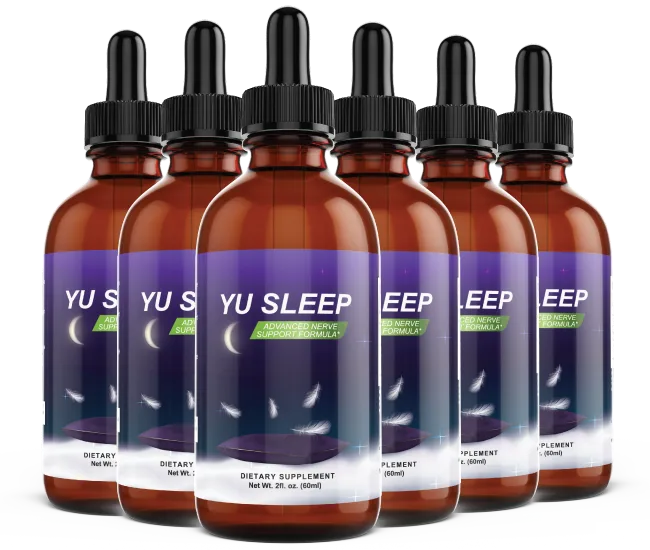
Sleep is your body's most powerful recovery tool. Yet the CDC reports that 1 in 3 American adults do not get sufficient sleep. Sleep deprivation is linked to increased risk of obesity, diabetes, cardiovascular disease, and cognitive decline — essentially accelerating the aging process across all body systems we've discussed.
During deep sleep, your brain clears metabolic waste via the glymphatic system, your muscles repair, and your body regulates cortisol levels. According to Mayo Clinic sleep research, most adults need 7–9 hours per night, yet chronic stress, hormonal changes, and blue-light exposure have made quality sleep increasingly rare.
7. Cognitive Health & Brain Function
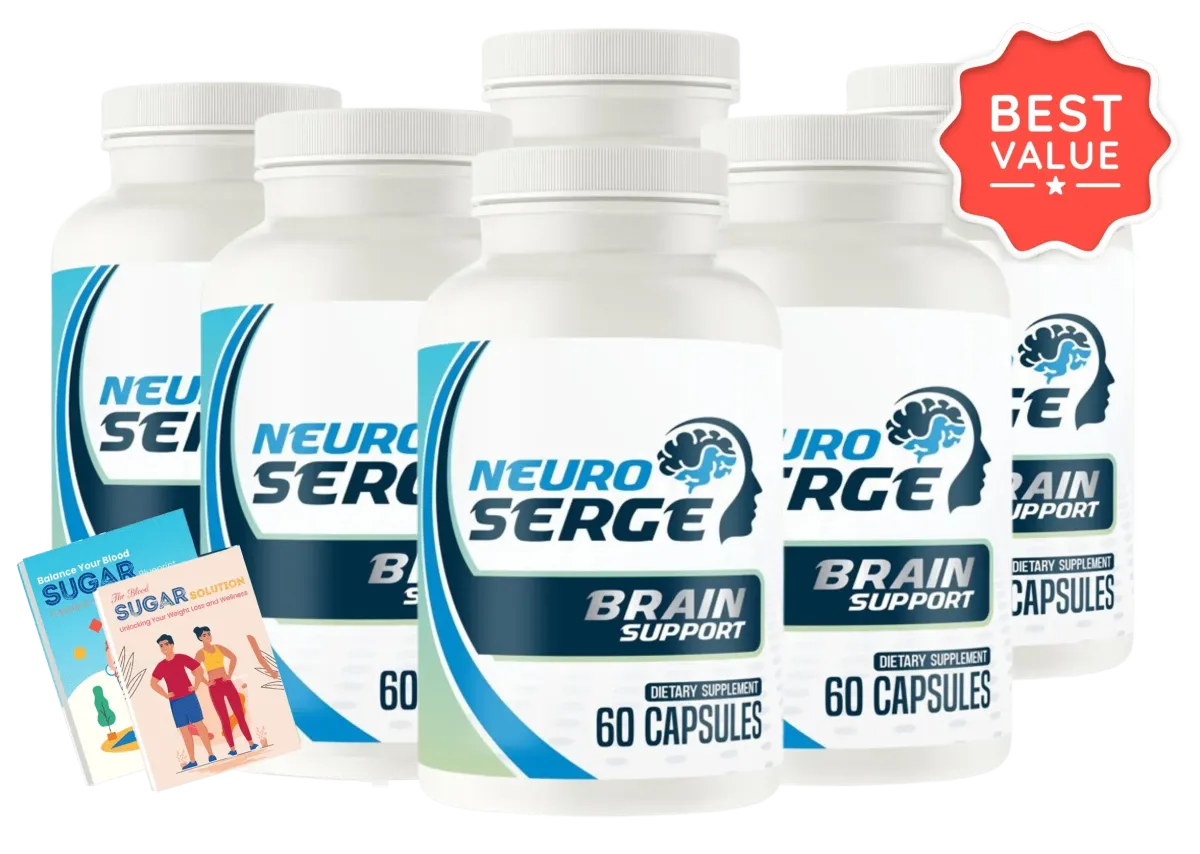
Cognitive decline is one of the most feared aspects of aging — but the brain is more adaptable than we once believed. The concept of neuroplasticity, extensively documented by the National Institute on Aging, shows that the brain can continue forming new neural connections well into old age given the right inputs: mental stimulation, physical activity, quality sleep, and targeted nutritional support.
Nootropic compounds — natural substances that support cognitive performance — have gained significant scientific attention. PubMed-indexed research highlights lion's mane mushroom for nerve growth factor (NGF) stimulation, phosphatidylserine for membrane integrity, and bacopa monnieri for memory consolidation.
The Bottom Line: A Whole-System Approach to Healthy Aging
The body doesn't age in isolation — every system is connected. Poor sleep degrades your gut microbiome. Blood sugar dysregulation accelerates joint cartilage breakdown. Poor oral health elevates systemic inflammation. That's why a whole-system approach is always more effective than targeting one area in isolation.
The good news is that small, consistent actions compound powerfully over time. The science is clear: lifestyle and nutritional choices made today determine your health trajectory in the years ahead. The supplements reviewed in this guide are tools — powerful ones when used alongside good nutrition, regular movement, and quality sleep.
Disclaimer: This article is for informational and educational purposes only. The statements in this article have not been evaluated by the FDA. The products mentioned are not intended to diagnose, treat, cure, or prevent any disease. Always consult your healthcare provider before starting any new supplement regimen, especially if you have existing medical conditions or take prescription medications.