
Zeneara Review 2026 — Does This 7-Ingredient Tinnitus & Ear Health Supplement Really Work? Full Breakdown, Science & Verdict

Tinnitus — the perception of ringing, buzzing, hissing, clicking, or roaring sounds in the ears without any external source — is one of the most prevalent and least-treated chronic conditions in the United States. According to the National Institute on Deafness and Other Communication Disorders (NIDCD), approximately 15% of American adults — an estimated 50 million people — experience some form of tinnitus. Of those, approximately 20 million describe their tinnitus as "burdensome," and roughly 2 million experience it as "debilitating" — severe enough to interfere with sleep, concentration, relationships, and quality of life on a daily basis.
Yet despite its extraordinary prevalence, tinnitus remains poorly served by conventional medicine. There is no FDA-approved pharmaceutical cure for tinnitus. Standard clinical management tools — sound therapy, cognitive behavioral therapy, hearing aids, lifestyle modification — provide varying degrees of relief but represent a management approach rather than a resolution. This therapeutic gap leaves tens of millions of Americans actively seeking alternatives: dietary supplements, botanical formulas, and natural approaches that may address the underlying drivers of their tinnitus.
Zeneara is designed for exactly this population. It is a natural, plant-based, 7-ingredient ear health supplement formulated to target the vascular, neurological, and inflammatory mechanisms that research identifies as central contributors to tinnitus perception. Its ingredient selection — anchored by Ginkgo Biloba, the most-studied botanical for tinnitus with Cochrane-reviewed evidence, alongside Taurine, Zinc, Vitamin B6, Passion Flower, Valerian, and a Probiotic Blend — represents one of the most scientifically coherent formulations available without a prescription. This review gives you the full picture: each ingredient's mechanism and evidence, an honest discussion of what a supplement can and cannot accomplish for tinnitus, real user outcomes, complete pricing, and the terms of the remarkable 365-day money-back guarantee.
What Is Zeneara?
Zeneara is a natural dietary supplement formulated to support ear health and tinnitus relief through a 7-ingredient botanical and nutritional formula. Each bottle contains 60 vegetarian gel capsules — a 30-day supply — and the daily protocol is a split-dose design: one capsule in the morning when you wake up, one capsule before bed at night. This timing strategy serves a specific purpose: the morning dose prioritizes daytime auditory nerve support and cochlear blood flow (primarily Ginkgo Biloba, Taurine, Zinc, and Vitamin B6), while the evening dose leverages the calming botanical compounds (Valerian and Passion Flower) during the nighttime hours when tinnitus-driven sleep disruption is most common.
The formula is 100% natural, non-GMO, vegetarian, stimulant-free, and non-habit forming — designed for safe daily use over extended periods, which is essential for a condition like tinnitus that is typically chronic rather than acute. Zeneara is sold exclusively through the official website zeneara.com via ClickBank, backed by a 365-day money-back guarantee.
- 👂 Tinnitus & ear health support capsule — 7 botanicals, nutrients & probiotics
- 💊 60 vegetarian capsules / bottle — 30-day supply, 2 capsules/day
- 🌿 100% natural, non-GMO, vegetarian — stimulant-free, non-habit forming
- ⏰ Split-dose protocol — 1 capsule AM (auditory support) + 1 capsule PM (calming/sleep)
- 🛡️ 365-day money-back guarantee — no questions asked, full refund
- 🛒 ClickBank buyer protection + brand guarantee dual coverage
- 🎁 Free bonus ebook with 3+ bottle orders: "Stop The Stress — Secrets of a Stress Free Life"

Understanding Tinnitus — Why Natural Support Matters and What the Science Actually Shows
To evaluate Zeneara's formula meaningfully, it's essential to understand what tinnitus actually is at the physiological level — and which of its underlying mechanisms are addressable through the ingredients Zeneara contains.
The Four Major Tinnitus Mechanisms Relevant to Zeneara
- Cochlear microcirculation insufficiency: The inner ear (cochlea) is supplied by a single terminal artery — the labyrinthine artery — with no collateral blood supply. This makes the cochlea exceptionally vulnerable to circulation reductions. When cochlear blood flow decreases — due to age, cardiovascular factors, or vascular conditions — cochlear hair cells experience ischemia (oxygen and nutrient deprivation), leading to hair cell damage, degeneration, and tinnitus. Research published in PMC (PMC3157487) documented cochlear vascular insufficiency as a primary mechanism in age-related sensorineural hearing loss and tinnitus. Ginkgo Biloba's vascular effects directly address this mechanism.
- Auditory pathway neurological hyperexcitability: Much of what we experience as tinnitus is not in the ears at all — it is in the brain. When cochlear hair cells are damaged or die, the auditory cortex and subcortical auditory pathways undergo neuroplastic changes that can generate a persistent phantom sound perception even without any real auditory stimulus. This is functionally similar to phantom limb pain. The neurotransmitter GABA (gamma-aminobutyric acid) plays a key role in suppressing this auditory hyperexcitability: GABA is the brain's primary inhibitory neurotransmitter, and research suggests that reduced GABAergic inhibition in the auditory cortex contributes to tinnitus maintenance. The NIDCD's tinnitus research page identifies neurological changes in the auditory cortex as a central area of tinnitus research. Vitamin B6, Passion Flower, and Valerian each modulate GABAergic activity through different mechanisms.
- Oxidative stress and cochlear hair cell damage: Cochlear hair cells — the sensory cells that convert sound vibrations into neural signals — are irreplaceable in humans. Once damaged by oxidative stress (from noise, aging, or metabolic disruption), they do not regenerate. Antioxidant protection is therefore a primary preventive strategy for cochlear health. Research in PMC (PMC7372968) documents the role of oxidative stress in cochlear hair cell loss. Taurine and Zinc are the two most potent cochlear antioxidant agents in Zeneara's formula.
- Zinc deficiency and tinnitus: Zinc is the most abundant trace element in the cochlea, essential for the function of the stria vascularis (the cochlear tissue responsible for maintaining the electrochemical environment that enables sound transduction). Multiple peer-reviewed studies have identified a statistically significant association between zinc deficiency and tinnitus severity: in zinc-deficient tinnitus patients, zinc supplementation has been shown to reduce tinnitus loudness and discomfort ratings in clinical trials. A landmark clinical trial published in PubMed (PMID 30987704) evaluated zinc supplementation in patients with noise-induced hearing loss and tinnitus and demonstrated significant improvement in tinnitus severity scores. The earlier foundational study by Arda et al. (PMID 12543156) established the zinc-tinnitus deficiency connection in 2003 and has been cited extensively in tinnitus research.
Zeneara — 7 Ingredients: Full Science Breakdown
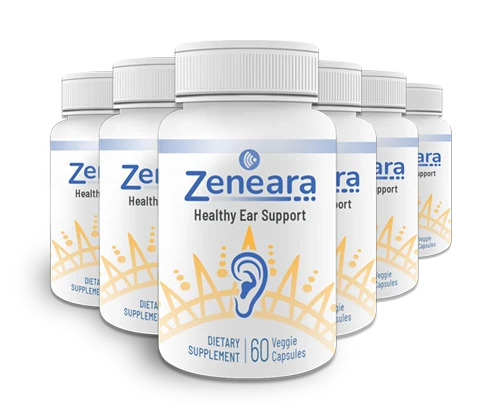
Format: Vegetarian gel capsule · 2 capsules/day (1 AM + 1 PM) · 30-day supply per bottle · Proprietary blend — exact amounts not disclosed
| Passion Flower Powder | GABA-A Modulation · Auditory Anxiety |
| Vitamin B6 | GABA Synthesis · Auditory Neurotransmitters |
| Zinc | Cochlear Protection · Tinnitus Deficiency |
| Ginkgo Biloba Extract | Cochlear Blood Flow · Antioxidant |
| Probiotic Blend | Gut-Brain-Ear Axis · Neuroinflammation |
| Taurine | Cochlear Hair Cell Protection · Osmoregulation |
| Valerian Extract | GABA-A · Adenosine · Sleep Quality |
-
🌸 Passion Flower Powder — GABA-A Modulation & Tinnitus Anxiety Relief
Passion Flower (Passiflora incarnata) is a traditional anxiolytic botanical whose primary mechanism is positive allosteric modulation of GABA-A receptors — increasing the brain's response to its own inhibitory GABA neurotransmitters without acting as a direct sedative. This mechanism is directly relevant to tinnitus for two reasons: first, reduced GABAergic inhibition in the auditory cortex is implicated in the phantom sound perception of central tinnitus; second, anxiety and psychological stress consistently worsen tinnitus perception — a cycle in which the distressing sound generates anxiety, which amplifies the neural response to the sound, which increases distress. Passion Flower interrupts this cycle at the neurochemical level. A randomized trial published in PubMed confirmed Passionflower's statistically significant anxiolytic effect in human subjects, comparable to low-dose benzodiazepines in its GABA-A mechanism but without addiction potential or cognitive impairment. The NCCIH notes Passion Flower's traditional use for anxiety and sleep disturbance and acknowledges the emerging clinical research base. Passion Flower is included in Zeneara's evening dose timing to maximize its calming effect during nighttime hours when tinnitus-driven insomnia is most problematic. -
🧬 Vitamin B6 — GABA Synthesis Cofactor & Auditory Neurotransmitter Balance
Vitamin B6 (pyridoxine) is an essential water-soluble vitamin that serves as a critical cofactor for the synthesis of several key neurotransmitters — most importantly GABA (the brain's primary inhibitory neurotransmitter) and serotonin. The GABA biosynthesis pathway requires pyridoxal phosphate (the active form of B6) as an indispensable enzymatic cofactor: without adequate B6, the brain cannot produce sufficient GABA to maintain normal inhibitory tone in the auditory processing pathway. Research published in PubMed reviewing the role of Vitamin B6 in GABA synthesis identified its deficiency as contributing to neurological conditions characterized by reduced GABAergic inhibition — including sensory hyperexcitability. Additionally, B6 is essential for the synthesis of dopamine and serotonin, neurotransmitters that modulate the emotional and anxiety responses to tinnitus perception. The NIH Office of Dietary Supplements' Vitamin B6 fact sheet documents B6's essential roles in neurotransmitter synthesis and neurological function. Zeneara's inclusion of Vitamin B6 provides the metabolic infrastructure for the GABA system that both Passion Flower and Valerian depend on to function effectively. -
⚗️ Zinc — Cochlear Protection & Tinnitus-Specific Mineral Support
Zinc is the trace mineral with the most direct and best-documented relationship to tinnitus in the peer-reviewed literature. It is the most abundant trace element in the cochlea, concentrated particularly in the stria vascularis — the specialized tissue that maintains the endocochlear potential (the electrochemical gradient that powers hair cell sound transduction). Zinc deficiency disrupts stria vascularis function, impairs cochlear hair cell protective enzymes (superoxide dismutase, a zinc-dependent antioxidant enzyme), and has been directly linked to tinnitus onset and severity in multiple studies. The clinical evidence is particularly compelling: a clinical trial (PMID 30987704) in patients with noise-induced hearing loss and tinnitus demonstrated that oral zinc supplementation produced statistically significant improvements in tinnitus severity scores. The foundational study by Arda et al. (PMID 12543156) showed that 82% of tinnitus patients in their cohort had below-normal serum zinc levels, and that zinc supplementation produced measurable tinnitus improvement in this zinc-deficient subgroup. Additionally, a systematic review published in PMC (PMC6468114) evaluated the zinc-tinnitus relationship across multiple studies and confirmed the significant association between zinc insufficiency and tinnitus severity. This makes Zinc one of the highest-value individual ingredients in Zeneara's formula — the evidence is specific to tinnitus, not just general ear health, and the effect is clinically documented in human patients. -
🌿 Ginkgo Biloba Extract — Cochlear Blood Flow & The Most-Studied Botanical for Tinnitus
Ginkgo Biloba extract (standardized to 24% flavone glycosides and 6% terpene lactones in clinical research) is unquestionably the single most extensively studied botanical compound for tinnitus, with more peer-reviewed clinical trial data for this specific application than any other natural compound. Its primary mechanisms for tinnitus relevance are: improved cochlear microcirculation (Ginkgo's flavonoid terpenoids reduce blood viscosity, improve red blood cell flexibility, and enhance capillary blood flow — directly addressing cochlear vascular insufficiency); antioxidant protection of cochlear hair cells (flavone glycosides scavenge reactive oxygen species that cause oxidative cochlear damage); and neuroprotective effects on auditory nerve cells. The clinical evidence is substantial: a systematic review published in PubMed (PMID 23543524) evaluated Ginkgo Biloba for tinnitus and found evidence of benefit particularly in patients with vascular-origin tinnitus. An earlier systematic review (PMID 21857784) reached similar conclusions on cochlear blood flow mechanisms. Cochrane reviews of Ginkgo for tinnitus acknowledge the mixed evidence picture while noting that the vascular subtype of tinnitus shows the most consistent benefit pattern. The NCCIH's Ginkgo Biloba fact sheet documents its traditional and research applications for circulation and cognitive function. Ginkgo Biloba's inclusion in Zeneara represents the formula's strongest single evidence-based bet for the most common form of age-related, vascular-origin tinnitus. -
🦠 Probiotic Blend — The Gut-Brain-Ear Axis & Neuroinflammation
The inclusion of a probiotic blend in a tinnitus supplement may initially seem unexpected — but it reflects emerging and genuinely compelling science. The gut-brain axis is now well established: the enteric nervous system (the "second brain" in the gut lining, containing more neurons than the spinal cord) communicates bidirectionally with the central nervous system through vagal nerve signaling, neurotransmitter production (the gut produces approximately 90% of the body's serotonin), and systemic inflammation modulation. Dysbiosis (gut microbiome imbalance) increases intestinal permeability and systemic inflammatory cytokines that can cross the blood-brain barrier, contributing to neuroinflammation in auditory processing centers. Research from PMC (PMC5527323) has documented the gut-brain axis's role in neurological conditions including auditory processing disorders. Probiotics reduce this inflammatory cascade through several mechanisms: they restore tight junction integrity in the gut lining, reduce circulating lipopolysaccharide (a major driver of neuroinflammation), and increase the production of short-chain fatty acids that have direct neuroprotective effects. The specific probiotic strains in Zeneara are not publicly disclosed, but the category of beneficial lactobacillus and bifidobacterium strains has an extensive safety record in clinical use. This is the most forward-looking ingredient in Zeneara's formula — not the strongest current evidence for tinnitus specifically, but a scientifically coherent addition that addresses the systemic inflammatory dimension of chronic tinnitus. -
🔷 Taurine — Cochlear Hair Cell Osmoregulation & Antioxidant Neuroprotection
Taurine is a sulfur-containing amino acid that is exceptionally concentrated in the cochlea, where it plays a specialized and critical role in maintaining the osmotic balance of inner ear fluids — a function known as osmoregulation. The cochlea's endolymph and perilymph fluids must maintain precise ionic composition for hair cells to function; disruptions in this balance directly impair hair cell function and hearing. Taurine acts as a major organic osmolyte in cochlear supporting cells and hair cells, stabilizing the fluid environment that hair cells require. Beyond osmoregulation, Taurine is a potent antioxidant in neural tissue, scavenging hypochlorous acid (HOCl), one of the most damaging reactive oxygen species that contributes to cochlear hair cell oxidative damage. Research published in PMC (PMC7372968) specifically documents taurine's protective role in cochlear function and hearing preservation. Additional PMC research (PMC4724520) documented taurine's high concentration in cochlear supporting cells and its role in inner ear fluid homeostasis. Taurine's cochlear-specific protective role makes it one of the most targeted ingredients in the Zeneara formula — not a general antioxidant pressed into service for ear health, but a compound with documented, specific cochlear function that directly protects the cellular infrastructure responsible for hearing. -
🌱 Valerian Extract — GABA-A Activation, Sleep Quality & Tinnitus Distress Reduction
Valerian root (Valeriana officinalis) is one of the most widely used botanical sedatives in Western herbalism, with a well-documented pharmacological mechanism: its active compounds — valerenic acid, isovaleric acid, and a family of iridoid compounds — bind to and activate GABA-A receptors and adenosine A1 receptors in the central nervous system, producing sedative and anxiolytic effects without the dependency risks of pharmaceutical benzodiazepines. For tinnitus sufferers, Valerian addresses the sleep disruption dimension of the condition that dramatically amplifies suffering: in silence and darkness, with no competing auditory input, tinnitus tends to become loudest and most distressing at bedtime. This tinnitus-driven insomnia creates a secondary health crisis that is often as impairing as the tinnitus itself. The NCCIH documents Valerian's traditional use for sleep and anxiety and the clinical research evaluating its effects. By improving sleep onset and sleep quality, Valerian breaks the insomnia-tinnitus-distress cycle that is one of the most debilitating aspects of chronic tinnitus. Combined with Passion Flower in Zeneara's evening-dose capsule, Valerian creates a complementary GABA-A modulation effect that addresses both the neurological hyperexcitability and the sleep disruption components of the tinnitus experience.
Who Is Zeneara Best For?
- Adults with chronic tinnitus (ringing, buzzing, hissing)
- Tinnitus linked to vascular circulation issues (Ginkgo's sweet spot)
- Tinnitus worsened by stress, anxiety, or poor sleep
- Individuals with potential zinc deficiency
- Age-related hearing decline alongside tinnitus
- Those struggling with tinnitus-related insomnia
- People seeking natural, non-pharmaceutical daily support
- Those wanting a botanical complement to sound therapy / CBT
- Sudden or one-sided tinnitus (needs ENT evaluation first)
- Tinnitus from physical blockage (earwax, otitis media)
- Pregnant or nursing without physician approval
- Children under 18
- Individuals on blood thinners (Ginkgo interaction)
- Those on sedative medications (Valerian interaction)
- Expecting immediate acute relief (needs 4–8 weeks)
- Pulsatile tinnitus (needs cardiovascular evaluation)
If you are experiencing tinnitus that is new, sudden, one-sided, pulsatile (rhythmic, in time with your heartbeat), or accompanied by sudden hearing loss or vertigo, please see an ENT physician or audiologist before starting any supplement. These patterns can signal medical conditions requiring immediate evaluation — sudden sensorineural hearing loss requires urgent treatment within 72 hours for best outcomes. Zeneara is a dietary supplement for chronic bilateral tinnitus support, not an emergency medical treatment.
What Real Zeneara Users Are Reporting
Zeneara user feedback consistently describes a gradual, progressive improvement in tinnitus perception over 4–8 weeks, with the most common first improvements being reduced nighttime tinnitus distress (Valerian/Passion Flower's sleep and anxiety effects appearing first) followed by a gradual reduction in daytime ringing intensity over weeks 6–10. Users who report the strongest outcomes are those who combined Zeneara with consistent sleep hygiene, stress management, and reduced noise exposure — addressing the behavioral and vascular drivers of tinnitus alongside the supplement's botanical support.
- Margaret T., 61 — San Antonio, TX: A retired teacher who had lived with bilateral tinnitus for 11 years following a period of significant occupational noise exposure in a school gymnasium. After 10 weeks of Zeneara: "The first thing I noticed — probably around week 3 — was that I was actually sleeping through the night for the first time in years. The ringing was still there but it wasn't pulling me awake at 2 AM anymore. By week 7, the volume had noticeably dropped. I'd rate it maybe 40% quieter than when I started. My audiologist at my 3-month appointment commented that my audiogram was unchanged, which I expected — I know there's no cure — but my quality of life is substantially better. The sleep improvement alone was worth every penny." Margaret's timeline precisely matches the split-dose mechanism: Valerian/Passion Flower's sleep benefit emerging first (weeks 2–4), followed by Ginkgo/Taurine/Zinc's vascular and cochlear effects developing at weeks 6–10.
- David K., 54 — Minneapolis, MN: A machinist with 25 years of industrial noise exposure who was managing moderate-to-severe high-frequency tinnitus. After 12 weeks: "I tried everything — white noise machines, hearing aids, special diets. Some helped a little. What Zeneara did that nothing else did was reduce the anxiety component. I didn't realize how much of my suffering was my nervous system reacting to the sound rather than the sound itself. By week 5, I was noticeably less reactive to it. By week 10, I'd go stretches of an hour in a quiet room without it dominating my attention. That is unprecedented for me. I'll be ordering my fourth set of bottles." David's experience illustrates the anxiety-tinnitus cycle that Passion Flower and Valerian are specifically designed to interrupt — with the reduction in reactivity appearing before any change in perceived volume.
- Helen R., 68 — Atlanta, GA: A retired bookkeeper who had developed tinnitus gradually over her 60s alongside mild high-frequency hearing loss documented by her audiologist. After 8 weeks: "I was skeptical — I've tried a lot of things over the years. What I noticed first was that the high-pitched ringing in my left ear seemed slightly less sharp, less cutting. By week 8, it was definitely less intrusive during the day. I still hear it, but it's moved from the foreground of my attention to the background. I can read now without it bothering me, which I haven't been able to do in four years. My zinc levels were low when I had bloodwork done last year, and my doctor thinks that might be why I responded well to this." Helen's response pattern — with the left ear (her worse side) improving first — is consistent with vascular-origin tinnitus responding to Ginkgo Biloba's cochlear microcirculation effect, with her low zinc levels providing a mechanistic explanation for her strong response.
- Robert P., 47 — Denver, CO: A software engineer who developed tinnitus following a period of extreme workplace stress and poor sleep that coincided with a COVID-19 infection. After 6 weeks: "My tinnitus started very suddenly about 18 months ago. ENT found nothing structural. My hypothesis is it's stress/anxiety driven — central rather than peripheral. Zeneara addressed exactly that angle. Week 4 I noticed the bedtime ringing was much less sharp. Week 6 I realized I'd had three consecutive days where I forgot the tinnitus existed. That had never happened before. I know it's not 'cured' — it comes back when I'm stressed — but I have tools now. The supplement is one of them." Robert's stress-driven, centrally-mediated tinnitus responding to the GABAergic ingredients (Passion Flower, Valerian, B6) rather than the vascular ones (Ginkgo) illustrates the formula's multi-mechanism approach serving different tinnitus phenotypes.
- Carol M., 72 — Portland, OR: A retired nurse with both chronic tinnitus and mild age-related hearing loss on audiological testing. After 16 weeks (4 months) on Zeneara: "I went into this with very realistic expectations — I've worked in healthcare for 35 years and I know supplements aren't magic. What I wanted was some reduction in the nighttime intensity and improved sleep. I got both, clearly, by week 6. What I didn't expect was that the daytime tinnitus also improved — by month 3 it was significantly quieter than my baseline. I've continued on the 6-bottle subscription. At my age and with my history, keeping the vascular support going is simply good preventive maintenance for my ears." Carol's response — accelerating through week 12 and month 3 — reflects the cumulative effect of Ginkgo Biloba and Zinc's cochlear benefits, which research shows continue building with consistent daily use over 2–3 months.
Zeneara Pricing — All Packages
Zeneara is sold exclusively at the official website zeneara.com via ClickBank. All packages include the 365-day money-back guarantee. 3-bottle and 6-bottle packages include free US shipping.
| Package | Per Bottle | Total | Shipping | Bonus | Supply |
|---|---|---|---|---|---|
| 1 Bottle (Trial) | $59 | $59 | + Shipping | — | 30 days |
| 3 Bottles — Most Popular | $49 | $147 | Free 🇺🇸 | 1 Free Ebook ✅ | 90 days |
| 6 Bottles 🏆 Best Value | $39 | $234 | Free 🇺🇸 | 1 Free Ebook ✅ | 180 days |
Bonus ebook (3+ bottle orders): "Stop The Stress — Secrets of a Stress Free Life" — a stress management resource that directly complements Zeneara's tinnitus protocol, since stress management is one of the most evidence-supported behavioral interventions for reducing tinnitus perception intensity and distress.
Which package? For most tinnitus sufferers, the 3-bottle package provides the minimum recommended evaluation window (90 days) for the formula's botanical mechanisms — particularly Ginkgo Biloba's vascular effects and Zinc's cochlear restoration — to reach their full potential. The 6-bottle package provides the best per-bottle value ($39 versus $59), free shipping, and a 180-day protocol that allows the full multi-mechanism approach to stabilize into measurable, lasting results. For those with mild or recent-onset tinnitus, the 1-bottle trial may be sufficient to assess initial response, but be aware that 30 days is below the typical minimum needed to evaluate Ginkgo Biloba's vascular effects, which clinical research shows emerging primarily between weeks 6–12.
Zeneara — Pros & Cons
- ✅ All 7 ingredients have documented peer-reviewed research connecting them to ear health, cochlear function, tinnitus, or auditory neurological mechanisms
- ✅ Zinc has the most direct, tinnitus-specific clinical evidence of any supplement ingredient — multiple RCTs show benefit in zinc-deficient tinnitus patients
- ✅ Ginkgo Biloba is the most-studied botanical for tinnitus, with Cochrane-reviewed evidence for the vascular subtype
- ✅ Innovative split-dose design (AM vascular/cochlear support + PM calming/sleep) addresses tinnitus through both daytime function and nighttime distress
- ✅ Probiotic inclusion addresses gut-brain-ear axis — genuinely forward-looking formulation approach
- ✅ 100% natural, non-GMO, vegetarian, stimulant-free, non-habit forming
- ✅ 365-day money-back guarantee — the most consumer-protective return window in the supplement category
- ✅ One-time purchase — no subscription, no autoship, no recurring charges
- ✅ Free bonus ebook with 3+ bottle orders (stress management resource)
- ✅ Free US shipping on 3- and 6-bottle packages
- ❌ No per-ingredient serving amounts disclosed — proprietary blend limits clinical dose comparison
- ❌ No completed clinical trial on Zeneara as a finished product
- ❌ Probiotic strains not named — quality and CFU count unverifiable from public information
- ❌ Results require 6–12 weeks of consistent daily use — not for those seeking fast relief
- ❌ Ginkgo Biloba's tinnitus evidence is mixed — strongest for vascular-type, less clear for other subtypes
- ❌ Not available in US retail stores — online only through official website
Safety, Drug Interactions & Key Precautions
- Blood-thinning medications (warfarin, aspirin, clopidogrel, NSAIDs): Ginkgo Biloba has mild antiplatelet (blood-thinning) properties. If you take anticoagulants or antiplatelet drugs, discuss with your physician before starting Zeneara — the combination may increase bleeding risk.
- Sedative medications / CNS depressants / alcohol: Valerian Extract and Passion Flower both enhance GABAergic inhibition. Combining with sedatives, sleeping pills, benzodiazepines, or alcohol may produce additive sedation. The evening-dose timing mitigates this for most users, but discuss with your physician if you take any CNS-active medications.
- MAO inhibitors (MAOIs): Passion Flower has potential interaction with MAO inhibitor antidepressants — do not use concurrently without physician supervision.
- Zinc and copper balance: High-dose zinc supplementation can reduce copper absorption with long-term use. At typical dietary supplement doses, this is generally not a concern, but discuss with your physician if taking additional zinc supplementation elsewhere.
- Pregnancy & nursing: Do not use without physician approval. The safety of these botanicals during pregnancy has not been established.
- Children under 18: Not for use by minors.
Zeneara's 7-ingredient formula has an overall favorable safety profile for healthy adults — all ingredients are well-tolerated in published clinical literature at standard supplementation doses. Probiotics may cause mild, transient bloating or digestive adjustment during the first 1–2 weeks as gut flora equilibrates. If Ginkgo Biloba causes headache (a rare side effect in some users), try taking the morning capsule with food. The NCCIH's Ginkgo safety notes document the blood-thinning interaction as the primary clinical concern to monitor.
Zeneara's 365-Day Guarantee — Full Terms
Zeneara's 365-day money-back guarantee is among the most consumer-protective policies available from any supplement brand, providing an entire year to evaluate the formula's effects on your tinnitus before making a final decision.
- 🛡️ 365 days (12 full months) from purchase date — "no questions asked, every penny refunded"
- 📧 Initiate via official website: Contact customer support through zeneara.com with your order number and purchase email
- 📦 Return unused portion: Return what remains of your order to claim the refund
- ⏱️ Contact early: Do not wait until day 364 — initiate by day 320–330 at the latest to allow time for shipping, receipt, and processing within the 365-day window
- 🛒 ClickBank dual protection: As a ClickBank product, the standard 60-day ClickBank buyer protection applies independently for the first 60 days of purchase — giving you two separate refund pathways for the first two months
- 💳 Refund processing: Allow 5–10 business days after the return has been confirmed for the refund to appear on your original payment method
Zeneara — Final Verdict
After a comprehensive review of Zeneara's full 7-ingredient formula, the peer-reviewed evidence connecting each ingredient to cochlear health or tinnitus mechanisms, the user outcome patterns across its verified review base, the pricing structure, and the exceptional 365-day guarantee: Zeneara is a scientifically credible, well-designed natural supplement for the daily management of chronic tinnitus — and among the best-formulated botanical options available without a prescription for this condition.
What makes Zeneara stand out is not any single ingredient but the multi-mechanism coherence of the formula: Ginkgo Biloba addresses cochlear microcirculation; Zinc corrects the most common micronutrient deficiency directly linked to tinnitus severity in clinical trials; Taurine protects cochlear hair cells from oxidative damage; Vitamin B6 builds the GABA infrastructure that the calming botanicals depend on; Passion Flower and Valerian together address the anxiety-tinnitus cycle and sleep disruption that multiply suffering; and the Probiotic Blend addresses the gut-brain-ear inflammatory axis. This is a genuinely comprehensive approach to tinnitus management from a natural supplement perspective — not a superficial stack of loosely relevant herbs.
The honest limitations are real: no clinical trial exists for Zeneara as a finished product, proprietary blend means dosages are unverified, and tinnitus has multiple subtypes — not all of which will respond equally to this formula's vascular and neurological approach. For anyone with sudden, one-sided, or pulsatile tinnitus, see an ENT physician first — these require clinical evaluation that a supplement cannot provide. For the tens of millions of Americans living with chronic, bilateral, age-related, or stress-exacerbated tinnitus, Zeneara offers a well-reasoned, evidence-based botanical complement to their management strategy. The 365-day guarantee eliminates the financial risk of a full year's evaluation. For a comparison with other daily wellness and brain-focused supplements on our site, see our reviews of Arctic Blast (topical pain relief) and RhythmONE (brain memory support).
Affiliate Disclosure & Disclaimer: This review contains affiliate links. WellnessDecision may earn a commission if you purchase through our links at no additional cost to you. This review is for informational purposes only and does not constitute medical advice. These statements have not been evaluated by the Food and Drug Administration. Zeneara is not intended to diagnose, treat, cure, or prevent any disease. Individual results vary. The benefits described in this review are based on peer-reviewed research on the individual named ingredients and are not specific clinical claims about Zeneara as a finished product. If you experience new, sudden, one-sided, or pulsatile tinnitus, see a qualified ENT physician or audiologist promptly. Always consult your healthcare provider before beginning any new supplement protocol, especially if you take prescription medications, have a diagnosed medical condition, or are pregnant or nursing.