
Enlarged Prostate & Male Enhancement Guide 2026 — Pills, Medications, Supplements & Treatments Explained
Over 14 million American men currently deal with symptoms of an enlarged prostate — and tens of millions more are searching for honest answers about male enhancement supplements, saw palmetto, CoQ10, UroLift, and what medications actually do (and what side effects to expect). The problem is that this category sits at the collision point of medical procedures, prescription drugs, herbal supplements, and a multi-billion-dollar over-the-counter market that ranges from genuinely helpful to outright dangerous.
This guide cuts through all of it. Written by Robert James, RND, it covers treating enlarged prostate from watchful waiting through to minimally invasive procedures; the honest science on saw palmetto, CoQ10, and combination formulas; a transparent breakdown of male enhancement supplement ingredients that have real evidence behind them; and a side-by-side comparison of the best men's health formulas WellnessDecision has reviewed. No hype. No inflated claims. Just the complete picture.
1. What Is an Enlarged Prostate (BPH)?
Benign Prostatic Hyperplasia — BPH — is the medical term for an enlarged prostate gland. The prostate wraps around the urethra, so when it grows, it squeezes the tube that carries urine out of your body. The result is a frustrating combination of symptoms that millions of men deal with every day: slow urine stream, frequent urination (especially at night), difficulty starting, a feeling that the bladder never fully empties.
BPH is extremely common. About 50% of men aged 51–60 have some degree of prostate enlargement. By 80, that number reaches 90%. It is not cancer — BPH is a benign (non-cancerous) overgrowth of prostate cells driven primarily by DHT (dihydrotestosterone) accumulation as testosterone metabolism shifts with age.
- Over 14 million men in the US currently have BPH symptoms
- BPH starts in men as young as 30–40 as cellular changes begin
- Symptoms typically become noticeable by age 50–60
- Left untreated, BPH can lead to urinary tract infections, bladder damage, or acute retention
- An enlarged prostate at 25 is rare — urologists typically look for prostatitis first at that age
The good news: BPH is very treatable. You have options ranging from lifestyle changes and natural supplements all the way to minimally invasive procedures and surgery, depending on how severe the symptoms are. This guide walks through all of them.
For a broader look at men's health supplements beyond prostate issues, see our Best Supplements for Men 2026 guide and our Best Testosterone Supplements for Men Over 40 breakdown.
Enlarged Prostate Medications: Prescription Options Explained
When symptoms are moderate to severe, most urologists start with medication. There are two main classes, and they work differently:
Alpha-Blockers (Tamsulosin, Alfuzosin, Silodosin)
Alpha-blockers relax the smooth muscle in the prostate and the bladder neck, making it physically easier for urine to pass. They do not shrink the prostate — they just open the pathway. Results are fast: most men feel improvement within 2–4 weeks.
Common brands: Flomax (tamsulosin), Uroxatral (alfuzosin), Rapaflo (silodosin)
Best for: Men with moderate symptoms who want relatively quick relief. Does not stop prostate growth.
5-Alpha Reductase Inhibitors (Finasteride, Dutasteride)
These drugs block the enzyme that converts testosterone to DHT — the hormone responsible for prostate cell growth. Unlike alpha-blockers, they actually shrink the prostate, but it takes 6–12 months to see full results. They also lower PSA levels, which is something to tell your doctor about before PSA testing.
Common brands: Proscar (finasteride 5mg), Avodart (dutasteride 0.5mg)
Best for: Men with a significantly enlarged prostate (over 30–40 grams) where long-term shrinkage is the goal.
Combination Therapy
For more severe BPH, urologists often combine an alpha-blocker with a 5-ARI. The MTOPS study showed combination therapy reduces the risk of BPH progression better than either drug alone. The most commonly prescribed combo is tamsulosin + dutasteride (available as Jalyn).
PDE5 Inhibitors (Tadalafil/Cialis for BPH)
Tadalafil (Cialis) at 5 mg daily is FDA-approved for BPH and is the only medication that treats both BPH and erectile dysfunction simultaneously. It works by relaxing smooth muscle tissue in both the prostate and blood vessels. For men dealing with both enlarged prostate and ED, this is often the first-choice prescription.
| Drug Class | Example | How It Works | Time to Results | Shrinks Prostate? |
|---|---|---|---|---|
| Alpha-Blocker | Tamsulosin (Flomax) | Relaxes bladder neck / prostate muscle | 2–4 weeks | No |
| 5-ARI | Finasteride (Proscar) | Blocks DHT conversion, shrinks prostate | 6–12 months | Yes (20–30%) |
| PDE5 Inhibitor | Tadalafil (Cialis 5mg) | Relaxes smooth muscle (prostate + vasculature) | 4–8 weeks | No |
| Combination | Tamsulosin + Dutasteride | Relaxes AND shrinks | Immediate + 6 mo | Yes |
Side Effects of Enlarged Prostate Medication — What Nobody Tells You
This is the conversation most men don't have with their doctor until it's already affecting their quality of life. Here's what to expect, honestly.
Alpha-Blocker Side Effects
Alpha-blockers affect blood pressure as well as the prostate, which means dizziness and lightheadedness are common — especially when you stand up quickly (orthostatic hypotension). This is more pronounced in the first few weeks. Other common effects:
- Retrograde ejaculation — semen goes into the bladder instead of out during orgasm. Most noticeable with silodosin. Not harmful, but can affect fertility.
- Nasal congestion — the vasodilating effect extends to nasal vessels
- Fatigue — especially in the first 2–4 weeks
- Intraoperative Floppy Iris Syndrome (IFIS) — a serious concern if you're planning cataract surgery; tell your eye surgeon you take alpha-blockers
5-Alpha Reductase Inhibitor Side Effects
These are the ones that catch men off guard. By blocking DHT systemically, 5-ARIs reduce a hormone that's critical for male sexual function. Side effects include:
- Decreased libido — reported in 3–6% of users
- Erectile dysfunction — in 5–8% of long-term users
- Ejaculatory disorders — reduced volume, delayed ejaculation
- Gynecomastia — breast tissue tenderness in some men
- Post-Finasteride Syndrome (PFS) — a subset of men report persistent sexual and cognitive effects even after stopping; this is real but not fully understood
Important: 5-ARIs lower PSA by about 50%. If you get a PSA test while on finasteride or dutasteride, your doctor needs to double the result to get your "true" PSA for cancer screening purposes.
Many over-the-counter "male enhancement pills" are not regulated as drugs and may contain unlisted ingredients. The FDA has issued hundreds of warnings about male enhancement products spiked with sildenafil (Viagra's active compound) or tadalafil analogs without disclosure. These can cause severe blood pressure drops — especially dangerous if you take nitrates for heart disease. Always choose supplements with full, transparent labels and third-party testing.
Saw Palmetto for Enlarged Prostate — The Science, Not the Hype
Saw palmetto (Serenoa repens) extract is the most widely studied natural remedy for BPH in the world. It's been used in European urology for decades and is the active ingredient in several pharmaceutical-grade BPH preparations in Germany and France.
How Saw Palmetto Works
Saw palmetto extract (standardized to 85–95% fatty acids and sterols) inhibits the enzyme 5-alpha reductase — the same enzyme that prescription finasteride blocks. Less 5-alpha reductase means less conversion of testosterone to DHT, and less DHT means less prostate cell stimulation. It may also block alpha-adrenergic receptors in the prostate (similar to alpha-blockers), giving it a dual mechanism.
Saw Palmetto & Testosterone
Because saw palmetto reduces DHT conversion, it has the effect of preserving free testosterone levels — DHT that's not being made can't suppress the testosterone feedback loop. Some studies suggest saw palmetto extract may modestly support testosterone levels, though it's not a primary testosterone booster. For dedicated testosterone support, see our How to Improve Testosterone Naturally guide and our Best Testosterone Supplements for Men Over 40 review.
The Research Reality
The evidence for saw palmetto is mixed at high evidence levels. The landmark CAMUS trial (funded by NIH) found 320 mg/day of saw palmetto did not significantly improve urinary symptoms over placebo at 72 weeks. However, many European meta-analyses using supercritical CO₂-extracted saw palmetto (a purer liposterolic extract) show significant improvements in urinary flow rate and nighttime urination frequency.
The takeaway: quality of extract matters enormously. Cheap saw palmetto powder (ground berry) does very little. Liposterolic extract standardized to 85–95% fatty acids at 160–320 mg twice daily is what the positive studies used.
What to Look for on a Saw Palmetto Label
- Standardized to 85–95% fatty acids and sterols
- Dose of 160 mg twice daily (or 320 mg once daily)
- Liposterolic or supercritical CO₂ extraction method
- Other supportive ingredients: beta-sitosterol, pygeum, stinging nettle, zinc
CoQ10 & Coenzyme Q10 for Prostate Health — What the Evidence Shows
CoQ10 (coenzyme Q10) isn't usually the first supplement men think of for prostate health, but the research is more interesting than most people realize. CoQ10 is a fat-soluble antioxidant produced naturally in the body, primarily in the mitochondria of high-energy tissues — including the prostate gland.
Why CoQ10 Matters for the Prostate
As men age, CoQ10 production declines — often significantly by the time BPH typically develops. Research published in the Journal of Urology found that CoQ10 levels in prostate tissue are measurably lower in men with BPH and prostate cancer compared to healthy tissue. This depletion corresponds with increased oxidative stress and mitochondrial dysfunction in prostate cells.
Supplementing with CoQ10 (specifically the ubiquinol form, which is 2–3x better absorbed than ubiquinone) helps:
- Reduce oxidative stress in prostate cells
- Support mitochondrial energy production in the gland
- Reduce systemic inflammation (a key driver of BPH progression)
- Protect against the cellular changes that drive prostate cell proliferation
For men on statin medications (which deplete CoQ10 as a side effect), supplementation is especially relevant — statins lower CoQ10 levels systemically, which can worsen prostate oxidative stress. Our CoQ10 Complete Guide covers dosing, forms, and interactions in full detail.
CoQ10 Dosing for Prostate Support
For prostate health specifically, 100–200 mg/day of ubiquinol (reduced CoQ10) is the most commonly used range in research. Take it with a meal containing healthy fats to maximize absorption. Don't expect dramatic BPH symptom relief — CoQ10's role is protective and anti-inflammatory rather than immediately symptomatic, making it a long-term strategy rather than a quick fix.
UroLift for Men — How the Procedure Works & What to Expect
If medication hasn't delivered enough relief, or if you want to avoid the sexual side effects of 5-ARIs, UroLift is one of the most compelling minimally invasive options available today.
What Is UroLift?
UroLift is a procedure using tiny permanent implants to lift and hold the enlarged prostate lobes out of the way of the urethra — like pulling back curtains — so urine can flow freely. No tissue is cut, heated, or removed. It takes about 30–60 minutes, is done in an outpatient or office setting under local anesthesia, and most men go home the same day.
UroLift Results
Clinical data from the FDA pivotal trial and 5-year follow-up studies show:
- 50%+ improvement in International Prostate Symptom Score (IPSS) within 2 weeks
- No new cases of sexual dysfunction in the sham-controlled trial
- Ejaculatory function preserved — unlike TURP (transurethral resection), UroLift does not cause retrograde ejaculation
- Durable results at 5 years — the majority of men don't need retreatment
Who Is UroLift Right For?
UroLift works best for men with mild-to-moderate BPH (IPSS 13–26), lateral lobe enlargement (not median lobe), and prostate glands under 80 mL in size. Men with a very large prostate, median lobe involvement, or severe BPH may need a more aggressive procedure like TURP, Rezūm, or HoLEP.
| Option | Setting | Sexual Function | Best For |
|---|---|---|---|
| Natural Supplements | Self-managed | Preserved / improved | Mild BPH, prevention |
| Alpha-Blockers | Prescription | Retrograde ejac. possible | Moderate BPH, fast relief |
| UroLift | Outpatient procedure | Fully preserved | Moderate BPH, lateral lobes |
| TURP | Hospital (general anesthesia) | Retrograde ejac. in 65–90% | Large prostate, severe BPH |
Enlarged Prostate & ED — The Connection Most Men Don't Know About
Erectile dysfunction and BPH are closely linked — not just by age, but by underlying biology. A major epidemiological study published in European Urology found that men with moderate-to-severe BPH symptoms have a 2–3x higher rate of ED than men without BPH symptoms of the same age.
Why BPH and ED Happen Together
Several mechanisms connect them:
- Nitric oxide depletion: BPH involves smooth muscle hyperplasia, which correlates with reduced nitric oxide (NO) signaling — the same pathway that controls penile erection. Less NO = weaker erections.
- DHT imbalance: Rising DHT relative to testosterone drives prostate growth AND reduces the androgenic signals needed for libido and erection quality.
- Autonomic nervous system overlap: The same nerves that control urinary function also affect erection and ejaculation. BPH-related inflammation can disrupt these shared nerve pathways.
- Medication effects: As noted above, 5-ARIs can cause ED, and alpha-blockers can cause retrograde ejaculation. The treatment itself sometimes compounds the problem.
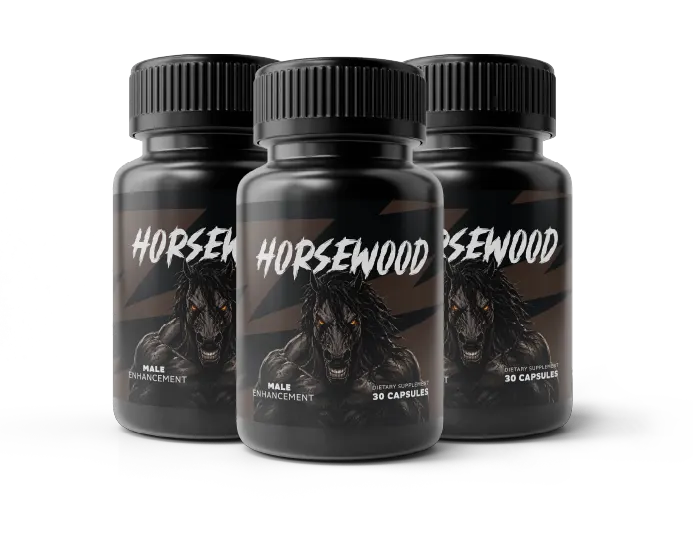
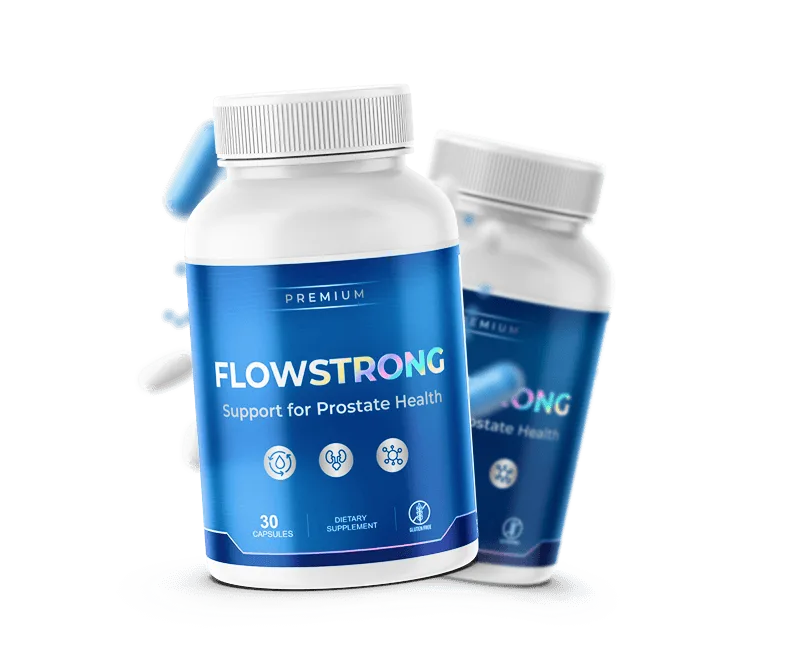
For men dealing with both issues, the most important step is addressing the root cause — hormonal balance — through a combination of medical management, targeted supplementation (L-arginine, L-citrulline, maca, ashwagandha), and lifestyle factors. Our How to Improve Testosterone Naturally guide is a strong starting point, and our reviews of Horsewood, FlowStrong, and Boostaro cover men's health formulas that specifically address blood flow, nitric oxide, and testosterone support.
Best Male Enhancement Pills & Supplements 2026 — What Actually Works
The male enhancement supplement category is one of the most flooded — and most fraudulent — in the entire supplement industry. Let's be clear about what legitimate supplements can and cannot do, and then look at what the evidence actually supports.
What Supplements Can Realistically Do
No supplement will give you results like a PDE5 inhibitor drug (Viagra, Cialis). But well-formulated supplements can genuinely:
- Improve nitric oxide production (L-arginine, L-citrulline, beet root) → better blood flow
- Support testosterone levels (ashwagandha, tongkat ali, zinc, vitamin D3) → better libido
- Reduce estrogen-to-testosterone ratio (DIM, boron) → better hormonal environment
- Reduce anxiety and performance-related stress (ashwagandha, maca) → better sexual confidence
- Improve energy and stamina (CoQ10, B12, maca) → better endurance
Ingredients With the Best Evidence
| Ingredient | Mechanism | Evidence Level | Effective Dose |
|---|---|---|---|
| L-Citrulline | Converts to L-arginine in kidneys → NO production | ★★★★☆ Strong | 3–6 g/day |
| Ashwagandha (KSM-66) | Reduces cortisol, supports free testosterone | ★★★★☆ Strong | 600 mg/day |
| Tongkat Ali | Reduces SHBG → raises free testosterone | ★★★☆☆ Moderate | 200–400 mg/day |
| Maca Root | Non-hormonal adaptogen, improves libido/energy | ★★★☆☆ Moderate | 1.5–3 g/day |
| Horny Goat Weed (Icariin) | Weak PDE5 inhibition, supports testosterone | ★★★☆☆ Moderate | 500–1000 mg (10% icariin) |
| Zinc + Vitamin D3 | Essential cofactors for testosterone synthesis | ★★★★★ Well established | Zinc 15–30 mg, D3 2000–5000 IU |
| Saw Palmetto | Blocks 5-ARI → reduces DHT, preserves testosterone | ★★★★☆ Strong (BPH) | 320 mg/day standardized |
Male Enhancement Pills Before and After — Setting Realistic Expectations
Men who respond well to quality male enhancement supplements typically report: better morning erections within 4–6 weeks, improved libido and mental drive within 2–4 weeks, better energy and less fatigue within 1–3 weeks. Physical enlargement from supplements alone is not supported by clinical evidence — products claiming permanent penile enlargement from pills are making unsubstantiated claims. For actual structural changes, penile extenders (traction devices) have some clinical evidence — see the penile extenders section below.
Do Penile Extenders Actually Work?
Penile extenders (traction devices) have surprisingly reasonable evidence. A 2011 study in the British Journal of Urology International found that 6 months of traction device use produced average length gains of 1.8 cm. However, you need to use them consistently for 4–6 hours/day, which most men find impractical long-term. They have a role in Peyronie's disease correction (pennis curvature) where the procedure cost is minimal compared to surgical correction. For pennis enlarge procedure cost, surgical options like phalloplasty start at $10,000–$30,000 and carry significant risks.
For ingredient deep-dives, see our standalone guides on Ashwagandha, Tongkat Ali, Maca Root, Horny Goat Weed (Icariin), and L-Citrulline.
Product Comparison: Top Men's Enhancement & Prostate Supplements 2026
We've reviewed dozens of men's health supplements on WellnessDecision. Here's how the top-rated options compare across the key criteria that actually matter — no affiliate bias, just the honest breakdown.
| Product | Format | Key Ingredients | Prostate Support | Blood Flow / ED | Testosterone | Best For |
|---|---|---|---|---|---|---|
| Horsewood | Capsule (7-herb) | Saw palmetto, tongkat ali, nettle root, maca | ★★★★★ | ★★★☆☆ | ★★★★☆ | BPH + testosterone |
| FlowStrong | Capsule | L-citrulline, L-arginine, horny goat weed, zinc | ★★☆☆☆ | ★★★★★ | ★★★☆☆ | ED support, blood flow |
| SodaPeak | Gummy (10-ingredient) | Ashwagandha, maca, zinc, B12, tribulus | ★★☆☆☆ | ★★★☆☆ | ★★★★☆ | Testosterone + libido |
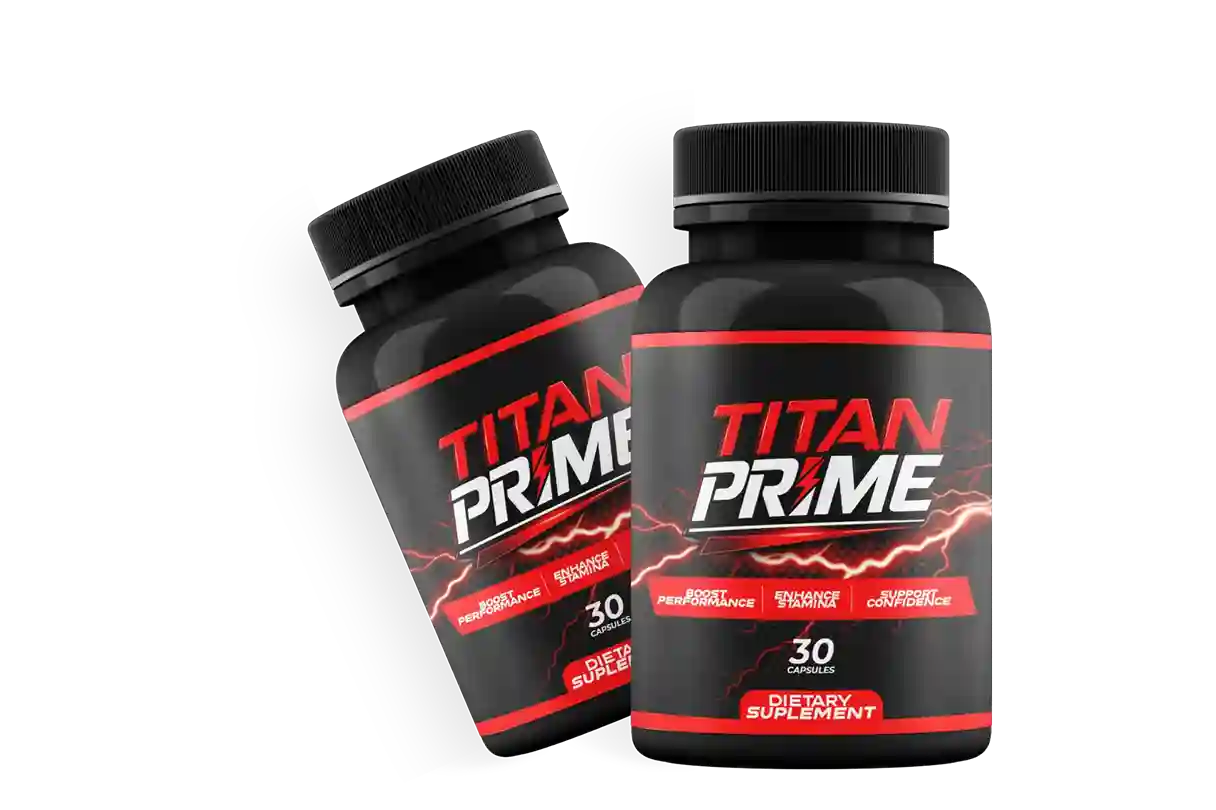
| TitanPrime | Capsule (8-ingredient) | Tongkat ali, ashwagandha, ginseng, CoQ10 | ★★★☆☆ | ★★★★☆ | ★★★★★ | Overall male vitality |
| Boostaro | Capsule (8-ingredient) | L-citrulline, pine bark, magnesium, CoQ10 | ★★☆☆☆ | ★★★★★ | ★★★☆☆ | Nitric oxide, ED |
| VigorHorse | Capsule (7-ingredient) | Horny goat weed, maca, ginkgo, saw palmetto | ★★★☆☆ | ★★★★☆ | ★★★★☆ | Broad men's health |
Also reviewed: VigorHorse · Boostaro · HoneyPower · SodaBoost · HorsePeak · Jelly Force
Mild Enlargement of Prostate — What It Means & When to Act
If your doctor mentioned "mild enlargement" during a routine exam or imaging, don't panic. Mild BPH is extremely common and doesn't automatically require medication or surgery. What matters most isn't the size of your prostate — it's the severity of your symptoms.
Prostate Size vs. Symptom Severity
Here's something that surprises most men: prostate size doesn't correlate directly with symptom severity. Some men with a 40 ml prostate have minimal symptoms; others with a 30 ml prostate have significant urinary problems. The location of the growth relative to the urethra matters more than total size.
Watchful Waiting
For mild enlargement with mild symptoms (IPSS score below 7), most urologists recommend "watchful waiting" — monitoring without immediate treatment. During this phase, lifestyle changes can significantly help:
- Reduce caffeine and alcohol (both irritate the bladder)
- Avoid drinking large amounts of fluid after 6pm
- Practice double voiding (urinate, wait 30 seconds, try again)
- Maintain a healthy weight — obesity raises estrogen, which drives prostate growth
- Get regular aerobic exercise — reduces sympathetic nervous system tone in the lower urinary tract
Natural supplements (saw palmetto, beta-sitosterol, zinc, pygeum) are a reasonable addition during watchful waiting to slow progression. If symptoms worsen to moderate (IPSS 8–19), it's time to discuss medical management with your urologist.
Enlarged Prostate at 25 — What's Actually Going On
If you're in your 20s and experiencing urinary symptoms that seem like BPH, the culprit is almost certainly prostatitis — inflammation of the prostate. Prostatitis in young men is common and is often caused by bacterial infection, though it can also be non-bacterial (chronic pelvic pain syndrome). Symptoms are similar to BPH — urgent and frequent urination, discomfort — but the cause and treatment are completely different. See a urologist for a proper diagnosis rather than self-treating with BPH supplements.
For broader context on men's health supplements by category, our Best Supplements for Men Guide and our Men's Health Hub have you covered.
Trusted External Resources on Prostate Health
We always recommend reading from authoritative medical sources alongside supplement guides. These are the primary references behind this article:
- NIH — Prostate Enlargement (BPH): Symptoms, Diagnosis, Treatment
- Urology Care Foundation — BPH Overview & Treatment Options
- PubMed — Saw Palmetto: Efficacy and Safety in BPH (Meta-Analysis)
- NIH NCCIH — Saw Palmetto: What the Science Says
- Mayo Clinic — BPH Diagnosis & Treatment
- Healthline — Enlarged Prostate Guide
Frequently Asked Questions
What are the best pills for enlarged prostate?
The most clinically studied options include prescription alpha-blockers (tamsulosin), 5-alpha reductase inhibitors (finasteride), and tadalafil for BPH+ED. Naturally, saw palmetto (320 mg/day standardized extract), beta-sitosterol (60–130 mg/day), and pygeum africanum (75–200 mg/day) have the strongest evidence among supplements. Horsewood combines multiple prostate-supportive herbs in one formula — see our full Horsewood review.
Can enlarged prostate cause increased sex drive?
BPH itself doesn't directly increase sex drive. Some men actually notice a temporary increase in perceived sexual urgency due to the pelvic nerve stimulation from a congested prostate — but this is not a healthy or sustainable phenomenon. More commonly, treating BPH (especially with saw palmetto, which preserves testosterone) can improve energy and libido as hormonal balance is restored. Increased sex drive after a period of low libido is more likely a sign of improving testosterone balance than a BPH-specific effect.
Are male enhancement supplements safe?
Supplements with fully disclosed, clinically studied herbal ingredients (ashwagandha, tongkat ali, maca, L-citrulline, zinc) are generally safe for healthy adult men. The danger zone is products with undisclosed ingredients — particularly those spiked with sildenafil analogs, which can cause life-threatening blood pressure drops with nitrate medications. Stick to brands with third-party testing (NSF, USP, or Informed Sport certification), full label transparency, and verifiable manufacturer information.
Does CoQ10 help with prostate health?
Yes, in a supporting role. CoQ10 is an antioxidant that's depleted in prostate tissue with age. Supplementing with 100–200 mg/day of ubiquinol reduces oxidative stress and mitochondrial dysfunction in prostate cells. It's not a BPH symptom treatment, but it's a meaningful protective measure — especially for men on statins, which deplete CoQ10 systemically. Read our full CoQ10 supplement guide for dosing details.
What is the cost of UroLift?
UroLift typically costs $6,000–$12,000 out of pocket. Most major commercial insurance plans and Medicare cover UroLift when BPH is documented and medications haven't provided adequate relief. The procedure is done in an outpatient or office setting, which keeps costs lower than hospital-based TURP. Always get a pre-authorization confirmation from your insurer and a cost estimate from the facility before scheduling.
Is it normal to have an enlarged prostate at 25?
True BPH at 25 is very uncommon. Urinary symptoms in young men are more often caused by prostatitis (prostate inflammation), urethral stricture, or an overactive bladder. See a urologist before self-treating — prostatitis (bacterial or non-bacterial) has completely different treatment from BPH, and misdiagnosis leads to ineffective management. PSA testing, a DRE exam, and urinalysis can quickly clarify the cause.
What is saw palmetto extract's effect on testosterone?
Saw palmetto inhibits 5-alpha reductase, which reduces DHT conversion from testosterone. This indirectly preserves free testosterone levels. Some small studies show modest free testosterone increases with saw palmetto supplementation, but it's not a primary testosterone booster. For significant testosterone support, combine saw palmetto with tongkat ali, ashwagandha, and zinc. See our testosterone guide for the full protocol.
The Bottom Line on Prostate Health & Male Enhancement 2026
Treating enlarged prostate or choosing male enhancement supplements doesn't have to be confusing. The key is matching the right intervention to your actual situation:
- Mild BPH + prostate protection: Start with saw palmetto (standardized 320 mg/day) + CoQ10 + beta-sitosterol. Horsewood is our top reviewed formula for this combination.
- BPH + ED together: Ask your doctor about tadalafil 5 mg daily. Supplement with L-citrulline and ashwagandha. FlowStrong is our pick for nitric oxide support.
- Moderate-to-severe BPH: See a urologist. Medication (alpha-blocker or 5-ARI) or a procedure like UroLift may be warranted.
- General male vitality & testosterone: TitanPrime or SodaPeak offer well-rounded testosterone and energy support.
Disclosure: WellnessDecision is reader-supported. Some product links in this article may earn us a commission — but commissions never influence our editorial ratings, ingredient analysis, or recommendations. We review independently and disclose all relationships. Full details: Affiliate Disclosure.