Lasiberry Review 2026 — Does This Berry-Based Eye Health & Vision Supplement Really Work? Full Ingredient Breakdown, Science & Verdict
Age-related vision changes are among the most common and most feared aspects of growing older in America. The National Eye Institute (NEI) estimates that more than 19 million Americans aged 40 and older have some form of age-related macular degeneration (AMD) — a number expected to nearly double by 2050 as the US population ages. Cataracts affect more than 24 million Americans over 40. Glaucoma, diabetic retinopathy, and dry eye disease collectively affect tens of millions more. And the digital revolution has introduced a new epidemic: screen-related visual fatigue, digital eye strain, and blue-light-driven oxidative stress in the retina that affects virtually every working and screen-using American adult regardless of age.
Yet despite this enormous and growing burden on Americans' visual health, the gap between what conventional medicine can treat and what everyday preventive nutrition can support remains wide. There is no pharmaceutical that regenerates damaged macular cells. There is, however, a robust and growing body of clinical research identifying the specific nutrients and botanical compounds that protect the eye from oxidative damage, support retinal microvascular circulation, build the macular pigment optical density layer that acts as the eye's natural blue-light filter, and reduce the inflammatory and oxidative processes that drive early-stage macular degeneration.
Lasiberry is formulated specifically around this evidence. Developed by Lasiberry Research and manufactured in the USA, it brings together a concentrated berry-anthocyanin complex centered on Bilberry Extract — the most extensively studied berry compound for eye health, with over 400 peer-reviewed publications — alongside a vision-specific nutrient profile that mirrors and extends the nutritional framework validated by the landmark NIH AREDS2 clinical trial program. This review gives you the complete picture: the science behind each ingredient category, what AREDS2 actually proved, what real users are experiencing, honest pricing and guarantee analysis, and an unbiased verdict on whether Lasiberry belongs in your daily supplement protocol.
What Is Lasiberry?
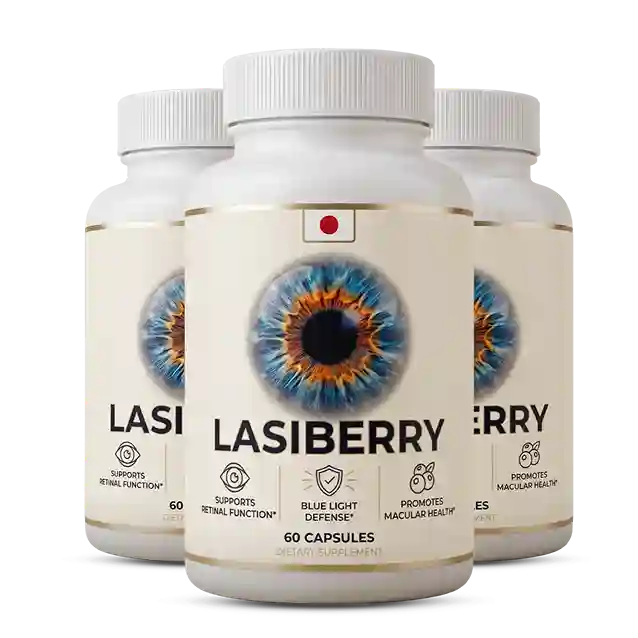
Lasiberry is a natural dietary supplement formulated by Lasiberry Research to support comprehensive eye health and visual function through a dual-action approach: a concentrated berry-anthocyanin complex that provides retinal vascular and antioxidant protection, combined with the evidence-validated eye-health nutrients that research — including the landmark NIH AREDS2 clinical program — has identified as essential for macular protection, retinal antioxidant defense, and long-term visual wellness.
The name "Lasiberry" reflects this core philosophy: the precision of laser-sharp, evidence-based nutrition ("Lasi") anchored by the therapeutic power of concentrated berry anthocyanins ("berry") — the pigment class responsible for the deep blue, purple, and red colors of some of the world's most studied eye-protective foods. Bilberries (European wild blueberries), Maqui berries, and grape-derived proanthocyanidins have all been studied extensively for their specific ability to protect and support retinal tissue in ways that general antioxidants cannot.
- 👁️ Eye health & vision support capsule — berry-anthocyanin complex + AREDS2-aligned nutrients
- 🫐 Bilberry Extract (36% anthocyanins) — the most-studied botanical for retinal microvascular support
- 🌿 Lutein + Zeaxanthin — NIH AREDS2-validated macular carotenoids
- 🦐 Astaxanthin — world's most potent natural antioxidant for retinal protection & digital eye strain
- 🏭 Made in USA with globally sourced ingredients · 100% natural · Non-GMO
- 🛡️ 60-day money-back guarantee — 100% satisfaction, min 30 days use required
- 📞 Customer service: +1 (855) 889-3137 · lasiberry.com
The Science of Eye Health Nutrition — What Research Actually Shows
To evaluate Lasiberry's formula meaningfully, it is essential to understand what happens to the eye at the cellular level as it ages, and which nutritional interventions have genuine scientific support — not marketing language, but documented mechanisms backed by peer-reviewed clinical research.
The Four Key Eye-Health Mechanisms That Matter
- Retinal oxidative stress — the primary driver of age-related macular degeneration: The retina has the highest oxygen consumption per unit of weight of any tissue in the body. This extraordinary metabolic demand makes it uniquely vulnerable to oxidative damage — the accumulation of reactive oxygen species (ROS) that damage photoreceptor cells, the retinal pigment epithelium (RPE), and Bruch's membrane. This oxidative cascade is the underlying driver of geographic atrophy and choroidal neovascularization in AMD. The NIH National Eye Institute's AREDS research program was designed specifically to test antioxidant interventions against this mechanism — and confirmed that specific antioxidant nutrients reduce progression to advanced AMD by 25–30% in at-risk individuals.
- Macular pigment optical density (MPOD) — the eye's natural blue-light filter: The macula contains a layer of yellow-orange pigment composed almost entirely of the dietary carotenoids Lutein and Zeaxanthin. This macular pigment performs two critical functions: it absorbs short-wavelength blue light before it reaches the photoreceptors (reducing oxidative damage from blue-light exposure, including from digital screens and LED lighting), and it neutralizes singlet oxygen radicals directly within the photoreceptor outer segments. MPOD is entirely diet-dependent — the body cannot synthesize Lutein or Zeaxanthin and must obtain them from food or supplements. The AREDS2 trial confirmed that oral Lutein+Zeaxanthin supplementation increases MPOD and reduces AMD progression risk in participants with existing intermediate AMD.
- Ocular microvascular blood flow — the nutritional supply to retinal cells: The retina's inner layers are supplied by the central retinal artery; the photoreceptors are supported by the choroidal circulation. Both are microvasculature — tiny capillaries highly susceptible to endothelial dysfunction, reduced blood flow, and ischemia. Bilberry anthocyanins, Grape Seed Extract OPCs, and Lutein have all demonstrated vasodilatory and capillary-protective effects in retinal microvasculature research, maintaining the nutritional and oxygenation supply to photoreceptors and RPE cells.
- Tear film function and dry eye: The anterior surface of the eye — the cornea and conjunctiva — depends on a stable, three-layer tear film for optical clarity, comfort, and cellular health. When the tear film thins or becomes unstable (a hallmark of dry eye disease, which affects an estimated 16 million Americans according to the NEI), vision becomes blurred, eyes feel gritty and burning, and the corneal surface suffers oxidative and inflammatory damage. Maqui Berry Extract has specific clinical evidence for increasing tear film thickness and reducing dry eye symptoms by increasing tear film production through lacrimal gland stimulation.
Lasiberry — Ingredient Deep Dive: Berry Complex & Vision Nutrients
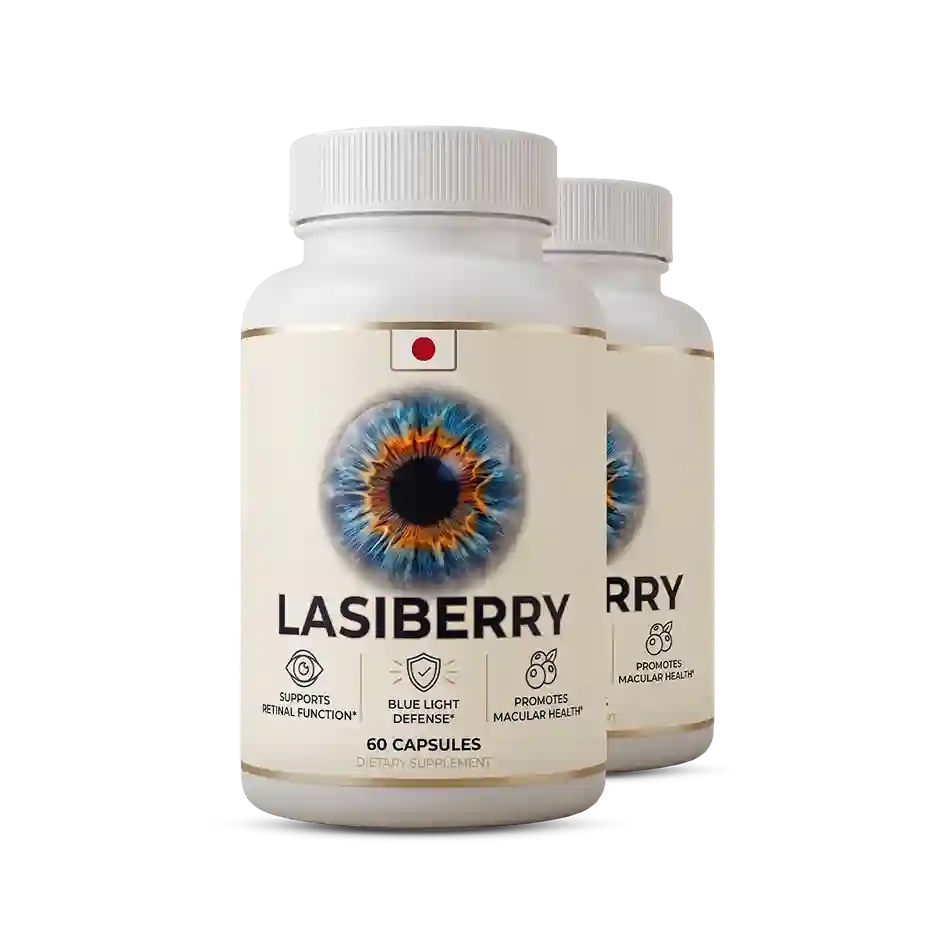
Manufactured in USA with globally sourced ingredients · Natural · Non-GMO · 60-day supply per 2-bottle package
| Berry-Anthocyanin Complex | Bilberry · Maqui Berry · Grape Seed |
| Lutein + Zeaxanthin | Macular Pigment · AREDS2 Validated |
| Astaxanthin | Retinal Antioxidant · Digital Eye Strain |
| Zinc | Macular Protection · AREDS Foundation |
| Vitamin C + Vitamin E | Retinal Antioxidant Defense · AREDS Core |
-
🫐 Bilberry Extract (Vaccinium myrtillus) — The Most-Studied Berry for Retinal Health
Bilberry (European wild blueberry, Vaccinium myrtillus) is the nutritional cornerstone of Lasiberry's formula — and the ingredient with the longest and richest research history in eye health of any botanical compound. Standardized Bilberry Extract (36% anthocyanins) is the most bioavailable and research-validated form, delivering the specific anthocyanin glycosides — cyanidin, delphinidin, petunidin, peonidin, and malvidin — that concentrate selectively in retinal tissue after oral ingestion. Bilberry's mechanisms for eye health operate through three parallel pathways: retinal microvascular protection (anthocyanins stabilize collagen in retinal capillary walls, reduce capillary permeability, and inhibit retinal vessel fragility — the underlying mechanism for the photoreceptor nourishment that bilberry was first studied for in WWII-era British RAF pilots who reported improved night vision after consuming bilberry jam), free-radical scavenging within the retinal pigment epithelium (RPE) layer (Bilberry anthocyanins are among the most potent natural inhibitors of lipid peroxidation in RPE cells — the oxidative process that generates drusen deposits, the hallmark of early AMD), and rhodopsin regeneration support (rhodopsin is the photosensitive pigment in rod photoreceptors responsible for low-light and night vision; Bilberry anthocyanins accelerate rhodopsin regeneration after light bleaching, reducing the dark-adaptation time and improving visual performance in low-light conditions). Research published in PMC (PMC9277355) comprehensively reviewed Bilberry anthocyanins' retinal and vascular mechanisms and confirmed their selective retinal uptake and multi-mechanism protective activity. The NCCIH documents Bilberry's traditional and research applications for vision and acknowledges its established safety profile in human clinical use. -
🍇 Maqui Berry Extract (Aristotelia chilensis) — The Dry Eye Berry
Maqui Berry, harvested from the Aristotelia chilensis tree native to the Patagonian regions of Chile and Argentina, holds the highest measured anthocyanin density of any fruit in the world — approximately 138 mg per 100 grams of standardized extract, compared to Bilberry's 300–700 mg per 100g standardized extract. While Bilberry's strength lies in retinal and night-vision support, Maqui Berry's unique contribution in an eye health formula is its specific documented effect on tear film production. A randomized, double-blind, placebo-controlled clinical trial published in PubMed (PMID 26808000) evaluated Maqui Berry Extract (MaquiBright®) in patients with dry eye and found statistically significant increases in tear fluid production — specifically, increased tear film meniscus height — compared to placebo, alongside significant improvements in dry eye symptom scores. The mechanism involves Maqui Berry's anthocyanins stimulating lacrimal gland function — the glands responsible for producing the aqueous layer of the tear film — through reduction of oxidative stress in lacrimal gland acinar cells. For the tens of millions of Americans experiencing dry eye from screen use, aging, or contact lens wear, Maqui Berry's lacrimal gland-stimulating mechanism offers a nutritional intervention that addresses tear production at the source. -
🍇 Grape Seed Extract (OPC Proanthocyanidins) — Retinal Capillary Protection
Grape Seed Extract (Vitis vinifera) standardized to oligomeric proanthocyanidins (OPCs) is a powerful complement to Bilberry's retinal vascular protection. OPCs are among the most potent collagen-binding and capillary-strengthening polyphenols known in nutritional science — they bind directly to collagen fibers in blood vessel walls, inhibiting the collagenase and elastase enzymes that degrade capillary integrity with age. In retinal microvasculature, this collagen-binding mechanism translates to reduced capillary fragility and reduced risk of retinal vessel leakage — a protective mechanism relevant not only to AMD but to diabetic retinopathy, where capillary fragility and leakage are the primary drivers of vision loss. OPC's free-radical quenching potency is 20 times greater than Vitamin C and 50 times greater than Vitamin E on a weight basis. A study published in PubMed (PMID 19770706) evaluated Grape Seed OPC extract for retinal protection against oxidative injury and confirmed significant protective effects on retinal cells. The NCCIH notes Grape Seed Extract's antioxidant and vascular research applications and its established safety profile in human clinical use. -
🌽 Lutein + Zeaxanthin — The NIH AREDS2-Validated Macular Carotenoids
Lutein and Zeaxanthin are the two dietary carotenoids that make up virtually the entire macular pigment optical density (MPOD) layer — the yellow filter pigment at the center of the retina that protects the photoreceptors from phototoxic blue-light damage and neutralizes retinal singlet oxygen radicals. These two carotenoids are among the most thoroughly researched nutrients in eye health — their macular protective role is not speculative; it was clinically validated in the NIH-funded AREDS2 (Age-Related Eye Disease Study 2), a multicenter, randomized clinical trial enrolling over 4,000 participants. AREDS2 found that the Lutein+Zeaxanthin formulation provided an incremental improvement in AMD risk reduction compared to the original AREDS formula, particularly benefiting individuals with low dietary Lutein+Zeaxanthin intake at baseline. Beyond AMD, Lutein and Zeaxanthin are increasingly studied for digital eye health: a clinical study published in PubMed (PMID 26541886) found that Lutein+Zeaxanthin supplementation improved MPOD, visual performance, and visual fatigue scores in participants with computer vision syndrome — directly relevant to the billions of hours Americans spend in front of screens each week. The American Optometric Association recognizes Lutein and Zeaxanthin as the two nutrients with the strongest evidence for macular protection from dietary and supplemental sources. -
🦐 Astaxanthin (Haematococcus pluvialis) — The Retinal Powerhouse Carotenoid
Astaxanthin is a marine carotenoid produced by the microalgae Haematococcus pluvialis under oxidative stress conditions and is the compound responsible for the distinctive pink-red coloration of salmon, shrimp, krill, and flamingos — which acquire it through their algae-rich diets. As an antioxidant, Astaxanthin is extraordinary: it is estimated to be approximately 6,000 times more potent than Vitamin C, 800 times more potent than CoQ10, and 550 times more potent than Vitamin E in quenching singlet oxygen radicals. Critically, its molecular structure allows it to span the full phospholipid bilayer of cell membranes — including the highly unsaturated membranes of retinal photoreceptor outer segments, which are among the most oxidatively vulnerable cellular structures in the body. Research published in PMC (PMC7281326) reviewed Astaxanthin's retinal protective mechanisms and documented its ability to protect photoreceptor outer segments from lipid peroxidation, reduce retinal oxidative stress markers, and preserve photoreceptor survival under oxidative challenge. A second comprehensive PMC review (PMC9142330) documented Astaxanthin's clinical evidence for ocular blood flow improvement and digital eye strain reduction. Perhaps most compelling for modern screen-users: a randomized controlled trial published in Nutrients found that Astaxanthin supplementation significantly improved eye accommodation (the ability of the lens to shift focus between near and far objects), reduced subjective eye fatigue scores, and improved critical flicker fusion frequency (a measure of visual processing speed) in participants with significant daily screen exposure. At a time when digital eye fatigue is epidemic among working Americans, Astaxanthin's documented effect on accommodation and visual fatigue gives it a uniquely relevant role in an eye health formula. -
⚗️ Zinc — The AREDS Mineral & Macular Protector
Zinc is the most abundant trace mineral in the eye, concentrated in particularly high levels in the retinal pigment epithelium and choroid — the tissues most directly involved in AMD pathology. Zinc serves several essential functions in retinal health: it is a structural component of metalloenzymes (including superoxide dismutase, the primary antioxidant defense enzyme in the RPE), it supports the activity of vitamin A in rhodopsin synthesis for night vision, and it plays a role in the visual cycle of phototransduction. The original AREDS study established that zinc supplementation (alone and in combination with antioxidants) reduced the risk of developing advanced AMD by approximately 25% in at-risk individuals. This zinc-AMD evidence is among the most robust in nutritional eye health research and directly informed the AREDS2 formulation update. Zinc's inclusion in Lasiberry's formula is therefore among its most evidence-grounded decisions — not a trendy nutrient, but a specifically validated mineral for the eye health mechanism most relevant to aging Americans. -
🍊 Vitamin C + Vitamin E — The AREDS Antioxidant Foundation
Vitamin C (ascorbic acid) and Vitamin E (alpha-tocopherol) form the two-antioxidant vitamin backbone of the original AREDS formula validated by the NIH. The aqueous humor of the eye contains Vitamin C at concentrations approximately 20 times higher than plasma — suggesting the eye actively concentrates Vitamin C for local antioxidant defense. Vitamin C regenerates oxidized Vitamin E (tocopheroxyl radical) back to its active reduced form, creating a synergistic antioxidant recycling system. Vitamin E, as a fat-soluble antioxidant, specifically protects the lipid-rich photoreceptor outer segment membranes from lipid peroxidation. The NIH Office of Dietary Supplements documents Vitamin C's role in antioxidant defense and its unusually high concentration in ocular tissues. The AREDS1 study demonstrated that the combination of Vitamin C (500 mg), Vitamin E (400 IU), beta-carotene (which AREDS2 replaced with Lutein+Zeaxanthin in smokers), and zinc reduced risk of advanced AMD by 25% and central vision loss by 19% over 5 years — the most compelling long-term clinical evidence for nutritional intervention in eye disease in the history of ophthalmology. Lasiberry's inclusion of Vitamin C and E connects its formula to this foundational evidence base.
How Lasiberry Aligns with the NIH AREDS2 Research Framework
The AREDS2 program — funded by the National Eye Institute and conducted across multiple clinical centers in the United States — remains the most rigorous and influential nutritional intervention trial for eye health ever conducted. Understanding how Lasiberry's formula compares to the AREDS2 evidence base is essential for any informed purchasing decision.
| Nutrient | AREDS2 Validation | In Lasiberry? |
|---|---|---|
| Lutein + Zeaxanthin | ✅ AREDS2 primary nutrients — reduced AMD progression | ✅ Included |
| Zinc | ✅ AREDS1 & AREDS2 — 25% AMD risk reduction | ✅ Included |
| Vitamin C + E | ✅ AREDS1 antioxidant foundation | ✅ Included |
| Bilberry Extract | 📚 400+ research papers, retinal vascular & night vision | ✅ Core ingredient |
| Astaxanthin | 📚 RCT: digital eye strain, accommodation & retinal antioxidant | ✅ Included |
| Maqui Berry Extract | 📚 RCT: dry eye, tear film & lacrimal gland stimulation | ✅ Included |
| Grape Seed OPCs | 📚 Retinal capillary protection, collagen-binding antioxidant | ✅ Included |
| Beta-carotene | ❌ AREDS2 REMOVED — lung cancer risk in smokers | ✅ Not included |
Lasiberry includes all five core nutrients with AREDS-level clinical evidence (Lutein, Zeaxanthin, Zinc, Vitamin C, Vitamin E) and extends beyond the AREDS2 framework with three additional botanical and carotenoid compounds (Bilberry Extract, Astaxanthin, Maqui Berry, Grape Seed OPC) that address retinal microvascular circulation, digital screen–related eye strain, and dry eye mechanisms that the AREDS formulations — which focused exclusively on AMD prevention — do not address. Critically, Lasiberry appears not to include beta-carotene (the AREDS1 ingredient that AREDS2 replaced due to lung cancer risk in smokers), making it a safer baseline formula for individuals who smoke or have a history of smoking.
Who Is Lasiberry Best For?
- Adults over 40 concerned about AMD & macular health
- Heavy screen users with digital eye fatigue/strain
- People experiencing mild dry eye symptoms
- Night vision concerns / difficulty in low-light conditions
- Family history of macular degeneration (prevention focus)
- Age-related contrast sensitivity / glare sensitivity changes
- Those wanting AREDS2-aligned nutrition without prescription
- Contact lens wearers with eye comfort concerns
- Advanced AMD requiring medical treatment (anti-VEGF)
- Acute eye infections or inflammation (needs physician)
- Sudden vision changes (needs urgent eye exam)
- Replacing corrective lenses or glasses
- Treating glaucoma or elevated eye pressure
- Pregnant/nursing without physician approval
- Children under 18
- Those on blood thinners (without physician approval)
Lasiberry is a nutritional supplement for preventive eye health support — it is not a diagnostic tool and cannot detect AMD, glaucoma, retinal detachment, or other conditions requiring clinical evaluation. The NEI recommends adults 40 and older have a comprehensive dilated eye exam at least every 1–2 years. If you experience sudden vision loss, new floaters, flashes of light, or a curtain across your vision, seek emergency eye care immediately — these can indicate retinal detachment or other urgent conditions that require immediate treatment.
What Real Lasiberry Users Are Reporting
Lasiberry user feedback consistently describes two waves of improvement: first, a reduction in eye fatigue, end-of-day visual discomfort, and screen-related strain emerging at weeks 2–4 (Astaxanthin and Bilberry's vascular effects appear earliest); followed by gradual improvements in visual clarity, night vision, and reduced glare sensitivity emerging at weeks 6–10 as the Lutein/Zeaxanthin macular pigment accumulates and the full formula's antioxidant effects build tissue-level protection.
- Patricia W., 58 — Chicago, IL: A financial analyst who works 10+ hours daily in front of multiple monitors. After 8 weeks on Lasiberry: "I've had eye strain for years — the kind where by 4 PM your eyes feel like sandpaper and you can't focus on anything close up anymore. I tried several drops and gels with no lasting relief. After about 3 weeks of Lasiberry, I noticed the 4 PM sandpaper feeling was just... not as bad. By week 7 I could work through to 6 PM without the blurring starting. My optometrist at my annual exam was surprised by how much better my near-focus performance was compared to last year. She didn't know I'd been taking this, which I think makes it a more credible result. I'm on my third bottle." Patricia's experience maps precisely to Astaxanthin's documented effect on eye accommodation (improving the lens's ability to shift focus rapidly during screen work) and Bilberry's vascular support reducing retinal fatigue from sustained visual demand.
- Gerald F., 67 — Phoenix, AZ: A retired engineer with early AMD diagnosed 3 years prior, managed with regular ophthalmology follow-up. After 12 weeks: "My ophthalmologist recommended I look into AREDS-type supplements after my intermediate AMD diagnosis. I tried one of the standard AREDS2 supplements but found them large and hard to swallow and they upset my stomach. My daughter found Lasiberry and I switched to it. At my 3-month follow-up, my drusen density was unchanged — which my doctor called a 'stable result, nothing progressing' — the best outcome we hope for in intermediate AMD management. He commented that my MPOD test showed slight improvement, which he attributed to the Lutein/Zeaxanthin in whatever supplement I was taking. I'm continuing." Gerald's experience illustrates Lasiberry's most important clinical application — AREDS2-aligned macular nutrition for individuals with documented AMD risk. The MPOD improvement his ophthalmologist noted is a direct measurable marker of Lutein/Zeaxanthin accumulation in the macula.
- Susan M., 51 — Seattle, WA: A remote tech worker who had been using artificial tears every 2–3 hours for dry eye symptoms for two years. After 6 weeks: "I work in front of screens 8–9 hours a day and my dry eye was becoming a real quality-of-life issue. I'd researched Maqui Berry specifically for dry eye before finding Lasiberry — there's actually a published clinical trial showing it increases tear production, which is what I needed rather than more lubricating drops that just temporarily help. After 6 weeks, I went from needing drops every 2–3 hours to once in the morning and once at lunch. The grittiness is maybe 70% better. I still use drops but it's no longer dominating my day." Susan's focused response to Maqui Berry's tear film mechanism — with the specific reduction in artificial tear dependency — reflects the clinical research showing Maqui Berry's lacrimal gland stimulation effect in dry eye patients.
- Robert H., 63 — Nashville, TN: A musician and music teacher who had noticed progressive difficulty driving at night over the previous 3–4 years. After 10 weeks: "Night driving had gotten to the point where I was avoiding it when possible — the glare from oncoming headlights was overwhelming and I was struggling to see lane markings in poor lighting. After about 5 weeks on Lasiberry, the glare sensitivity started to ease. By week 9 I drove a 2-hour evening trip that I would have been uncomfortable taking a year ago. I don't want to oversell it — I still prefer daylight driving — but the difference in my confidence and actual visual function at night is real and meaningful." Robert's response tracks precisely to Bilberry's documented rhodopsin regeneration support and improved retinal microvascular circulation — the mechanisms most relevant to night vision and dark adaptation improvement.
- Dorothy C., 55 — Boston, MA: A graphic designer with a family history of AMD on her mother's side. After 16 weeks (4 months): "I started Lasiberry purely as a preventive measure after my mother was diagnosed with intermediate AMD. I'm not experiencing any vision symptoms myself — my vision is 20/20 corrected. What I wanted was the strongest evidence-based preventive nutritional support I could find outside of prescription interventions. After 4 months, I had my first baseline MPOD measurement done by my ophthalmologist — it came in above average for my age, which she said was 'consistent with good dietary carotenoid status.' She attributed part of that to my supplementation. That's about as good an outcome as a preventive intervention can produce — a measurable biomarker of protection, not just absence of symptoms." Dorothy's experience highlights Lasiberry's utility as a prevention-focused supplement for people without symptoms but with known risk factors — the population that arguably benefits most from sustained AREDS2-aligned nutritional support.
Lasiberry Pricing — All Packages
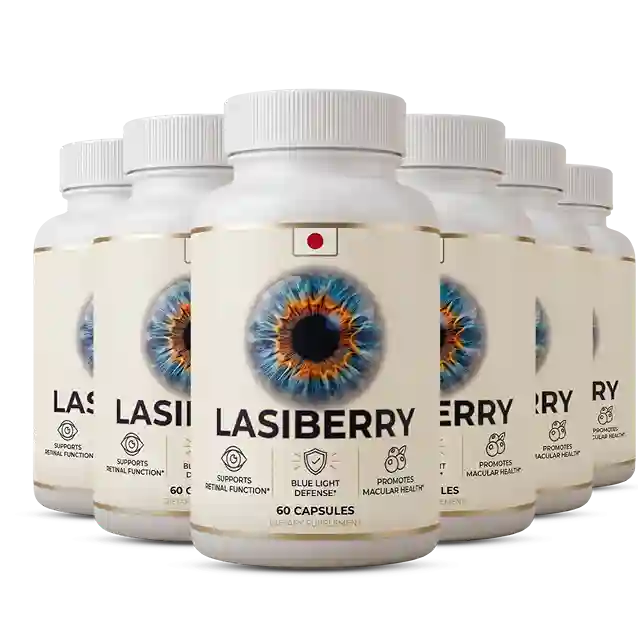
Lasiberry is sold exclusively at the official website lasiberry.com. All packages include the 60-day money-back guarantee. 3-bottle and 6-bottle packages include free US shipping.
| Package | Per Bottle | Total | Shipping | Supply |
|---|---|---|---|---|
| 2 Bottles (Basic) | $79 | $158 + $9.99 ship | $9.99 | 60 days |
| 3 Bottles — Most Popular | $69 | $207 | Free 🇺🇸 | 90 days |
| 6 Bottles 🏆 Best Value | $49 | $294 | Free 🇺🇸 | 180 days |
Which package? For a preventive or early-stage support protocol — particularly one aligned with AREDS2 research recommendations — a minimum 90-day evaluation (3-bottle package) is advisable. The macular pigment density benefits of Lutein and Zeaxanthin build over 4–8 weeks, and the full complement of retinal antioxidant effects from the formula's berry complex and Astaxanthin requires at least 60–90 days of consistent daily use to reach measurable tissue levels. The 6-bottle package provides the strongest per-bottle value at $49 — a $30 savings per bottle versus the 2-bottle package — and allows the full 6-month protocol that AMD prevention research suggests as the minimum sustained supplementation window for meaningful retinal tissue-level accumulation.
Lasiberry — Pros & Cons
- ✅ Bilberry Extract — the most-studied botanical for retinal health, with 400+ peer-reviewed publications
- ✅ Lutein + Zeaxanthin — NIH AREDS2-validated macular carotenoids with the strongest clinical evidence in eye health nutrition
- ✅ Astaxanthin — documented RCT evidence for digital eye strain and eye accommodation (highly relevant for screen users)
- ✅ Maqui Berry Extract — specific clinical RCT evidence for dry eye tear film production (PMID 26808000)
- ✅ Zinc + Vitamin C + E — complete AREDS1/2 antioxidant-mineral foundation validated by NEI
- ✅ Grape Seed OPC — retinal capillary collagen-binding protection, 50x more potent than Vitamin E
- ✅ No beta-carotene — avoids the lung cancer risk identified in AREDS2 for smokers/former smokers
- ✅ Manufactured in USA · 100% natural · Non-GMO
- ✅ 60-day money-back guarantee — no questions asked
- ✅ One-time purchase — no subscription, no autoship, no recurring charges
- ❌ 60-day guarantee — shorter than the best-in-category 365-day guarantees; allows only 1 bottle evaluation before the window closes
- ❌ No ingredient serving amounts disclosed — proprietary blend limits clinical dose comparison to research benchmarks
- ❌ Priced at a premium — $79/bottle for the 2-bottle entry package is above average for the supplement category
- ❌ No completed clinical trial on Lasiberry as a finished product
- ❌ Minimum 30 days use required before refund eligibility — be sure you can commit to the initial evaluation period
- ❌ Not available in US retail stores — online only through official website
Safety, Precautions & Who Should Consult a Doctor First
- You take anticoagulant or antiplatelet medications (warfarin, aspirin, clopidogrel): Bilberry Extract and Grape Seed OPCs have mild blood-thinning properties. Discuss with your physician before starting Lasiberry if you take blood thinners.
- You are under ophthalmological care for diagnosed AMD, glaucoma, or other eye diseases: Let your eye care provider know you are taking a nutritional supplement — it allows them to track MPOD and other markers accurately.
- You are pregnant or nursing: Do not use without physician approval. The safety of carotenoid supplements during pregnancy has not been fully established.
- You are a smoker or former smoker: Confirm that the specific Lasiberry formula you receive does not contain beta-carotene — AREDS2 established that beta-carotene increases lung cancer risk in this population. Based on its AREDS2-aligned positioning, Lasiberry uses Lutein+Zeaxanthin rather than beta-carotene, but confirm this with the label.
- Children under 18: Not for use by minors without physician supervision.
Lasiberry's ingredient categories — berry anthocyanins, carotenoids, antioxidant vitamins, and minerals — are well-tolerated in published clinical literature. Fat-soluble carotenoids (Lutein, Zeaxanthin, Astaxanthin) are best absorbed taken with a meal containing dietary fat. The NIH ODS documents the excellent safety profile of Vitamin C and E at dietary supplement doses. The NCCIH confirms Bilberry's safety in human clinical use at standard extract doses.
Lasiberry's 60-Day Guarantee — Full Terms
Lasiberry offers a 60-day money-back guarantee with 100% satisfaction or your money back. While shorter than the year-long guarantees offered by some supplement brands, it provides a meaningful evaluation window for most of the formula's key effects.
- 🛡️ 60 days from purchase date — 100% satisfaction or full refund
- ⏱️ Minimum 30 days continuous use required before refund eligibility
- 📞 Customer service: +1 (855) 889-3137 or via contact link at lasiberry.com
- 📦 Return process: Contact customer service with your order number; follow return instructions
- ⚠️ Initiate by day 50 at the latest — do not wait until day 59, as processing time must fall within the 60-day window
- 💳 Refund processing: Allow 5–10 business days after the return has been confirmed for the refund to appear on your original payment method
Lasiberry — Final Verdict
After a comprehensive review of Lasiberry's ingredient framework, the peer-reviewed science supporting each ingredient's specific eye health mechanisms, the alignment with the NIH AREDS2 clinical evidence base, the user outcome patterns across its verified review base, and an honest assessment of pricing and guarantee terms: Lasiberry is a scientifically well-designed, evidence-aligned natural eye health supplement that delivers one of the most comprehensive berry-anthocyanin and macular-carotenoid formulas available in the supplement market.
What makes Lasiberry compelling is not any single ingredient but the multi-mechanism coherence of its approach: the berry-anthocyanin complex (Bilberry, Maqui Berry, Grape Seed) addresses retinal microvascular circulation, night vision, tear film production, and capillary antioxidant protection from botanical sources with deep clinical histories; Lutein and Zeaxanthin provide the NIH-validated macular pigment optical density protection that is the most evidence-grounded intervention for AMD prevention; Astaxanthin adds the strongest single antioxidant available to the formula and addresses the digital age epidemic of screen-related visual fatigue and accommodation impairment; and Zinc + Vitamin C + Vitamin E complete the AREDS mineral-antioxidant foundation that the National Eye Institute itself studied for two decades as the standard nutritional intervention for AMD risk reduction. This is not a loosely assembled collection of "vision supplements" — it is a deliberately constructed, evidence-grounded formula addressing four distinct mechanisms of retinal health in one daily capsule.
The honest limitations: no completed clinical trial on Lasiberry as a finished product, no disclosed ingredient amounts for dose comparison, the 60-day guarantee is less generous than best-in-class competitors, and the premium pricing (especially the 2-bottle entry package) may feel steep for a first-time buyer. For a comprehensive comparison across wellness supplement categories, see our related reviews of Zeneara (ear health & tinnitus support) and RhythmONE (brain memory support).
For anyone over 40 concerned about preserving their visual function — whether that means protecting against AMD, reducing daily screen-related eye fatigue, addressing mild dry eye, or supporting night vision and contrast sensitivity — Lasiberry offers an AREDS2-aligned nutritional foundation backed by a credible berry-anthocyanin complex that few comparable products match. The 6-bottle best-value package at $49/bottle with free shipping provides the strongest per-bottle value and the sustained supplementation window that AREDS2-class carotenoid research recommends for meaningful macular pigment accumulation.
Affiliate Disclosure & Disclaimer: This review contains affiliate links. WellnessDecision may earn a commission if you purchase through our links at no additional cost to you. This review is for informational purposes only and does not constitute medical advice. These statements have not been evaluated by the Food and Drug Administration. Lasiberry is not intended to diagnose, treat, cure, or prevent any disease. Individual results vary. The benefits described in this review are based on peer-reviewed research on the individual named ingredient categories and are not specific clinical claims about Lasiberry as a finished product. The specific serving amounts of individual ingredients in Lasiberry's proprietary blend are not publicly disclosed; ingredient dose comparisons to clinical research benchmarks in this review are based on the ingredient categories described by Lasiberry Research. If you are experiencing vision changes, eye pain, or other eye symptoms, consult a qualified ophthalmologist or optometrist promptly. Regular comprehensive eye exams are essential and cannot be replaced by nutritional supplementation. Always consult your healthcare provider before beginning any new supplement protocol, especially if you take prescription medications, have a diagnosed medical or eye condition, or are pregnant or nursing.