
Best Men's Vitamins & Multivitamins 2026 — Complete Guide for Every Age & Goal
Every man over 25 is slowly losing ground on the nutrients that matter most: testosterone drops roughly 1% per year after 30, CoQ10 production declines with age, B12 absorption becomes less efficient, and prostate-supportive minerals like Zinc and Selenium are routinely under-consumed in Western diets. The supplement market's response to this has been a flood of "men's multivitamins" — most of which are barely more than a children's formula with a darker label and a higher price tag.
This guide is different. It covers what the best vitamins for men actually need to contain — by age group, by health goal, and by supplement category — along with honest reviews of the top products WellnessDecision has evaluated. Whether you're looking for the best multivitamin for men over 40, a testosterone-supporting formula, the best probiotic, collagen, hair loss supplement, or an estrogen blocker, this is the complete, science-grounded reference from a Registered Nutritionist-Dietitian who has no incentive to rank anything other than what works.
Why Men Need Different Vitamins — The Biology Behind It
The nutritional needs of men differ from women in several clinically meaningful ways — not because of marketing segmentation, but because of biology. Understanding these differences is the first step to finding a multivitamin that actually addresses your gaps rather than just checking boxes on a label.
Iron: Men do not menstruate and therefore lose far less iron monthly. Most generic multivitamins still include Iron — a nutrient that, at the standard 18 mg RDA dose, can accumulate over time in men and increase cardiovascular disease risk. The best multivitamins for men are Iron-free unless they're specifically formulated for men with confirmed Iron deficiency anemia (rare in adult men without a GI condition).
Testosterone: Male hormone production is directly dependent on adequate Zinc, Vitamin D3, Magnesium, and Boron. Deficiencies in any of these — extremely common in the American diet — suppress testosterone. A men's multivitamin that skimps on these four is not designed for men's actual hormonal health.
Prostate: From age 40 onward, prostate health becomes a priority. Zinc, Selenium, Lycopene, and Saw Palmetto extract are all evidence-backed prostate-supportive nutrients that have no place in a woman's multivitamin but belong in any men's formula for 40+.
Cardiovascular risk: Men develop cardiovascular disease earlier than women on average. CoQ10 (for mitochondrial energy and heart muscle function), Omega-3 (EPA/DHA for triglycerides and inflammation), Vitamin K2 (for arterial calcium metabolism), and Magnesium (for blood pressure) all directly address this elevated risk — and all are routinely under-dosed or absent in budget men's multivitamins.
Muscle mass: Testosterone decline accelerates sarcopenia (muscle loss) after 40. Men need adequate Vitamin D3 (essential for muscle protein synthesis), Magnesium (neuromuscular function), and B12 (nerve and energy metabolism) at meaningful doses — not the token amounts found in cheaper products.
Best Multivitamin for Men — What to Look For in 2026
The term "multivitamin" covers a huge range — from comprehensive 30-nutrient formulas with clinical-dose ingredients to glorified candy with a trace of Vitamin C. Here's what separates a genuinely good men's multivitamin from the noise:
✅ Non-Negotiable Ingredients in a Men's Multivitamin
- Vitamin D3 — minimum 2,000 IU; 5,000 IU ideal for most men (not D2)
- Magnesium — 200–400 mg as glycinate or malate (not oxide — ~4% absorbed)
- Zinc — 15–30 mg as picolinate or bisglycinate (not oxide)
- B12 — 500–1,000 mcg as methylcobalamin (not cyanocobalamin)
- Vitamin K2 — 100 mcg as MK-7 (for arterial and bone health)
- Selenium — 100–200 mcg (prostate protection + thyroid function)
- Boron — 3–10 mg (reduces SHBG, supports free testosterone)
- Vitamin A — as beta-carotene, not pre-formed retinol (safer at higher doses)
- Contains Iron (unnecessary and potentially harmful for most men)
- Uses magnesium oxide (cheap, ~4% bioavailable)
- Uses cyanocobalamin B12 (synthetic form with poor conversion in 40%+ of men)
- Vitamin D2 instead of D3 (far less effective at raising serum levels)
- Proprietary blends that hide individual ingredient doses
- No Zinc, Selenium, or Boron — key male-specific nutrients
On Reddit and consumer review boards, "best men's multivitamin Reddit" threads consistently return the same finding: men who switch from grocery-store brand multivitamins to pharmaceutical-grade formulas with proper mineral forms notice measurable differences in energy, sleep quality, and mood within 4–8 weeks. The difference isn't magic — it's bioavailability. The wrong mineral form goes straight through you.
Best Multivitamin for Men Over 40, 50 & 60 — Age-Specific Needs
Best Multivitamin for Men Over 40
The decade of 40–49 is when the largest hormonal shift since puberty begins. Testosterone production starts its measurable decline. CoQ10 synthesis in the mitochondria drops by 30–50% compared to age 20. B12 absorption begins declining due to reduced stomach acid production (hypochlorhydria affects roughly 30% of men by 40). And the prostate gland — completely ignored in your 20s and 30s — starts to warrant attention.
A multivitamin for men over 40 specifically needs: CoQ10 (100–200 mg ubiquinol form), higher Vitamin D3 (at least 2,000 IU, ideally 5,000 IU), testosterone-supportive minerals (Zinc, Magnesium, Boron), and ideally Ashwagandha KSM-66 for cortisol management — because elevated cortisol is the primary testosterone antagonist in the 40s. Most generic multivitamins don't contain any of these at meaningful doses. Look for products specifically formulated for men 40+ that say so on the label, not brands that simply add the word "men's" to a standard adult formula.
Best Multivitamin for Men Over 50
At 50+, prostate health moves from optional to essential. An enlarged prostate (BPH) affects over 50% of men by age 60, and the nutritional approach to prevention involves Saw Palmetto (320 mg standardized liposterolic extract), Lycopene (15–30 mg, the carotenoid concentrated in prostate tissue), Zinc (30 mg — the prostate has the highest zinc concentration of any organ), and Selenium (200 mcg — linked to prostate cancer risk reduction in the SELECT trial, though results are nuanced).
Iron should be completely absent from a 50+ formula. Cardiovascular nutrients (CoQ10, K2, Omega-3, Berberine) should be prominent. And Vitamin B12 as methylcobalamin at 1,000 mcg is essential — absorption declines further at 50+, and B12 deficiency mimics dementia, depression, and fatigue that many men in their 50s incorrectly attribute to "just getting older."
Best Multivitamin for Men Over 60
The 60+ priority list shifts toward cognitive protection, bone density, immune resilience, and mitochondrial energy. Vitamin D3 at 5,000 IU (with K2 to direct calcium appropriately), Magnesium L-Threonate (unique ability to cross the blood-brain barrier — studied for cognitive function), CoQ10 as ubiquinol (the reduced, more bioavailable form), and Alpha Lipoic Acid (mitochondrial antioxidant with insulin-sensitizing properties) all become more relevant after 60. A good men's multivitamin for 60+ should also include Lutein and Zeaxanthin for macular health — vision deterioration is common and partially preventable.
Caloric absorption also becomes less efficient at 60+, meaning the gap between what you eat and what you absorb widens. This makes the bioavailability of supplement forms even more critical — chelated minerals and methylated vitamins are not optional at this age.
Best Vitamins for Men for Testosterone — Tablets, Capsules & What Actually Works
The "testosterone tablets for men" category is one of the most searched and most misleading spaces in men's health supplementation. There are no supplements that raise testosterone to clinical levels — only a TRT (testosterone replacement therapy) prescription does that. What natural supplements can do is remove nutritional barriers to optimal testosterone production and support the hormonal environment in which your body makes testosterone most efficiently.
The nutrients with the clearest evidence for testosterone support:
- Zinc (30 mg/day as picolinate): A cofactor in testosterone synthesis — deficiency directly lowers testosterone. A 1996 study in Nutrition found that zinc supplementation in zinc-deficient older men raised testosterone from 8.3 to 16.0 nmol/L.
- Vitamin D3 (5,000 IU/day): A 2011 study in Hormone and Metabolic Research found that men taking 3,332 IU of Vitamin D daily had significantly higher testosterone than the placebo group after 12 months.
- Magnesium (400 mg/day as glycinate): Binds SHBG (sex hormone binding globulin), increasing free testosterone. A 2011 study found magnesium supplementation significantly increased free and total testosterone in both athletes and sedentary men.
- Ashwagandha KSM-66 (600 mg/day): The most studied adaptogen for testosterone. A 2015 RCT in the Journal of the International Society of Sports Nutrition found 600 mg/day for 8 weeks increased total testosterone by 15–17% vs. placebo.
- Boron (10 mg/day): A 2011 study found that 10 mg/day of boron for 7 days reduced SHBG by 9% and increased free testosterone by 28% in men.
- Tongkat Ali LJ100 (200–400 mg/day): Studies show significant reductions in SHBG and increases in free testosterone, primarily by inhibiting the enzyme that binds testosterone to SHBG.
For men looking for the best men's multivitamin for testosterone, WellnessDecision reviews TitanPrime, Horsewood, and SodaPeak — all of which include several of these five testosterone-supportive nutrients at researched doses. For standalone testosterone support, see our How to Improve Testosterone Naturally guide and our Best Testosterone Supplements for Men Over 40 review.
Best Probiotic for Men — Gut Health, Immunity & Metabolic Support
The gut microbiome in men has functional differences from women's — not just in composition, but in what it regulates. Male gut bacteria are more metabolically active (processing more calories from the same food), more directly linked to testosterone metabolism (gut bacteria regulate the enterohepatic circulation of sex hormones), and more responsive to dietary protein intake. This means the best probiotic for men should be chosen with these male-specific gut functions in mind.
The strains with the strongest evidence for men's health specifically:
- Lactobacillus reuteri: Animal studies (and growing human evidence) suggest L. reuteri colonization supports testosterone and LH production. Also strongly linked to testicular size and spermatogenesis in animal models — more human research is ongoing.
- Lactobacillus acidophilus: The workhorse of gut health — improves lactase production, supports IBS symptom reduction, and helps maintain gut barrier integrity (critical for reducing systemic inflammation that suppresses testosterone).
- Bifidobacterium longum: Strong evidence for immune modulation and reduction in psychological stress markers — relevant because chronic stress is a primary testosterone suppressor.
- Lactobacillus plantarum: Studied for metabolic function — improves insulin sensitivity and reduces visceral fat accumulation, both of which are testosterone-supportive outcomes.
CFU (Colony Forming Unit) count matters less than strain diversity and survivability to the intestine. A 10-billion CFU formula with enteric-coated capsules and multiple well-researched strains outperforms a 100-billion CFU product with generic strains in a non-protected capsule. For men with digestive complaints, our review of Sodamelt (12-ingredient digestive formula) covers the most comprehensive gut-health formula we've evaluated.
Best Collagen for Men — Joints, Muscle Recovery & Skin
Collagen is the most abundant protein in the human body — making up roughly 30% of total protein mass — and it's found in connective tissue, tendons, ligaments, cartilage, skin, and bone. Men's collagen needs differ from women's in emphasis rather than kind: where women primarily seek collagen for cosmetic skin benefits, men primarily benefit from collagen for joint health, muscle recovery, and connective tissue integrity — issues that become significantly more relevant after 35.
Collagen production declines roughly 1–1.5% per year after age 25. By 40, the cumulative deficit is substantial enough that active men start noticing longer joint recovery times, reduced tendon flexibility, and slower healing from exercise-related micro-tears. These are collagen problems, not just aging problems — and they're addressable.
Types of collagen for men and when to use them:
- Type I Collagen (bovine or marine hydrolyzed): The dominant collagen in skin, bone, and tendons. 10–15g/day of hydrolyzed peptides supports skin firmness, bone density, and tendon strength. Marine collagen (from fish skin) is most bioavailable.
- Type II Collagen (undenatured UC-II): The cartilage-specific collagen. 40 mg/day of UC-II — not the gram doses of hydrolyzed Type II — has the strongest clinical evidence for joint pain reduction and cartilage protection. Works via oral tolerance (immune modulation), not structural repair.
- Type III Collagen: Found alongside Type I — supports arterial wall integrity and muscle repair. Usually included in bovine collagen products naturally.
Always take collagen with Vitamin C (500–1,000 mg) — it's the essential cofactor for the enzymes (prolyl hydroxylase, lysyl hydroxylase) that stabilize collagen triple-helix structure. Without Vitamin C, collagen peptides are absorbed but poorly integrated. For joint-specific collagen, our AMP Joint 10 review covers the top joint support formula in our database.
Best Hair Loss Supplements for Men — DHT, Biotin & What the Evidence Shows
Male pattern hair loss (androgenetic alopecia) affects approximately 50% of men by age 50. It is primarily driven by genetic sensitivity of hair follicles to DHT (dihydrotestosterone) — a potent androgen derived from testosterone via the enzyme 5-alpha reductase. Understanding this mechanism is essential before spending money on hair loss supplements, because most products target peripheral causes (Biotin, Zinc, protein) while missing the primary driver (DHT).
The supplement hierarchy for male hair loss, from most to least evidence:
Hair Loss Supplement Evidence Rankings
| Ingredient | Mechanism | Evidence Level | Dose |
|---|---|---|---|
| Saw Palmetto | 5-alpha reductase inhibitor (reduces DHT) | ⭐⭐⭐⭐ Strong | 320 mg extract |
| Pumpkin Seed Oil | 5-alpha reductase inhibitor | ⭐⭐⭐⭐ Strong | 400 mg/day |
| Biotin | Keratin infrastructure support | ⭐⭐⭐ Moderate | 2,500–5,000 mcg |
| Zinc | Follicle cell division + 5-AR modulation | ⭐⭐⭐ Moderate | 25–30 mg |
| Vitamin D | Follicle cycling regulation | ⭐⭐⭐ Moderate | 2,000–5,000 IU |
| Marine Collagen | Hair shaft structural protein | ⭐⭐ Emerging | 10g/day peptides |
| Iron (if deficient) | Ferritin-dependent follicle oxygenation | ⭐⭐ Conditional | If ferritin <70 mcg/L |
The honest caveat: supplements slow DHT-driven hair loss and improve follicle health in the growth phase — they do not regrow hair where follicles have been permanently miniaturized. For active pattern baldness, supplements work best when combined with topical minoxidil (which extends the anagen growth phase). For men who want the best hair loss supplement as part of a comprehensive men's multivitamin stack, Horsewood includes Saw Palmetto at a meaningful dose alongside other prostate and hormone-supportive ingredients.
Best Estrogen Blocker for Men — Aromatase Inhibition & Estrogen Metabolism
Every man has estrogen — and needs it. Estradiol in men plays essential roles in bone density maintenance, cognitive function, libido regulation, and cardiovascular health. The goal is not to eliminate estrogen but to maintain the testosterone-to-estrogen ratio within a healthy range. When estrogen rises too high relative to testosterone — often through increased aromatase activity with age and adipose tissue gain — men experience: reduced libido, fatigue, mood changes, water retention, gynecomastia, and reduced lean muscle.
Natural estrogen modulators work through two mechanisms:
- Aromatase inhibition: Reducing the enzyme that converts testosterone → estradiol. Compounds: Chrysin, Resveratrol, Grape Seed Extract, White Button Mushroom Extract. Clinical potency is modest compared to prescription aromatase inhibitors (anastrozole, letrozole).
- Estrogen metabolism support: Improving how the body processes and eliminates estrogen. Compounds: DIM (Diindolylmethane, from broccoli), I3C (Indole-3-Carbinol), and Calcium D-Glucarate. These shift estrogen metabolism toward the beneficial 2-OH pathway and away from the proliferative 16-OH pathway.
DIM (200–400 mg/day) is the most clinically supported natural estrogen modulator for men. It doesn't block estrogen production — it shifts the ratio of estrogen metabolites to be less proliferative. Men with confirmed high estradiol on a blood panel should discuss prescription options with their doctor. No supplement matches the potency of a prescription aromatase inhibitor for clinically elevated estrogen. For men with high body fat (the primary cause of elevated estrogen in men — adipose tissue is rich in aromatase), reducing body fat is the most effective estrogen management strategy available.
Fat Burning, Fiber, Iron & Male Fertility Supplements — The Full Picture
Best Fat Burning Supplements for Men
Fat burning supplements work through one or more of four mechanisms: thermogenesis (raising metabolic rate), lipolysis stimulation (releasing fatty acids from fat cells), appetite suppression, and glucose regulation. The most evidence-supported fat-burning ingredients for men are: Caffeine + Green Tea EGCG (synergistic thermogenic combination — EGCG inhibits the enzyme that breaks down norepinephrine, extending fat cell stimulation), L-Carnitine (transports fatty acids into mitochondria for oxidation), Cayenne Pepper (Capsaicin) (acute thermogenic with 4–5% metabolic boost for 2–3 hours), and Chromium Picolinate (reduces carbohydrate cravings by improving insulin sensitivity). For a comprehensive fat-burner review, see our EvoSlim 6-Ingredient Fat Burner review and our SlimSet Metabolism review.
Best Fiber Supplement for Men
Dietary fiber does more for men's health than most supplements: it reduces LDL cholesterol, improves insulin sensitivity, feeds beneficial gut bacteria, reduces colon cancer risk, and increases satiety. The average American man gets 15–18g of fiber per day — well below the 38g recommended for men under 50 (30g for 50+). The best fiber supplements for men: Psyllium Husk (7–10g/day — the gold standard for cholesterol reduction and regularity; FDA-qualified heart health claim), Partially Hydrolyzed Guar Gum (PHGG) (IBS-friendly, ferments slowly, no gas or bloating), and Inulin/FOS (prebiotic fiber that feeds Lactobacillus and Bifidobacterium — dual gut-health benefit). Avoid wheat bran and high-dose cellulose supplements, which provide bulk without prebiotic benefit.
Best Iron Supplement for Men
Iron supplementation in men should almost never be taken without a confirmed deficiency on a blood panel (serum ferritin below 30 mcg/L). Iron overload (hemochromatosis) is one of the most common genetic conditions in men of Northern European ancestry, and even without a genetic predisposition, routine iron supplementation in non-deficient men increases cardiovascular risk over time. If you have confirmed iron deficiency anemia (common in endurance athletes with high sweat loss and GI bleeding, and in men with inflammatory bowel disease), the best-tolerated forms are iron bisglycinate and iron sucrosomial — far gentler on the GI tract than ferrous sulfate (the most commonly prescribed form, which causes significant constipation and nausea in many men).
Best Male Fertility Supplements
Male infertility contributes to roughly 40–50% of all infertility cases — a figure that surprises most people. Sperm quality (count, motility, morphology) is affected by oxidative stress, hormonal imbalance, heat exposure, and specific nutrient deficiencies. The nutrients with the strongest evidence for male fertility are:
- CoQ10 (200–600 mg/day as ubiquinol): Multiple RCTs show significant improvements in sperm concentration, motility, and morphology.
- Zinc (30 mg/day): Essential for sperm DNA integrity and testosterone (which drives spermatogenesis).
- Vitamin D3 (5,000 IU/day): Receptors on sperm — low D3 linked to poor sperm motility.
- Selenium (200 mcg/day): Selenoprotein P is essential for sperm flagellum integrity.
- L-Carnitine (2g/day): Sperm rely heavily on carnitine for energy metabolism — supplementation improves motility in multiple trials.
- Ashwagandha KSM-66 (600 mg/day): A 2010 study in Fertility and Sterility showed significant improvement in sperm count, motility, and serum testosterone in infertile men.
For men actively trying to conceive, a 3-month supplementation window is the minimum — sperm take approximately 74 days to mature (spermatogenesis cycle), so any supplement benefit takes at least one cycle to fully express. See our Men's Health & Supplement Guide 2026 for the full hormonal context.
Men's Supplement Comparison Table 2026 — Top Reviewed Formulas
| Product | Category | Key Ingredients | Best For | Form | Rating |
|---|---|---|---|---|---|
| TitanPrime | Male Vitality | Ashwagandha KSM-66, Tongkat Ali, Zinc, D3, B12 | Testosterone + energy | Capsule | ⭐⭐⭐⭐⭐ |
| Horsewood | Prostate + Male Health | Saw Palmetto, CoQ10, Zinc, Selenium, Beta-Sitosterol | Prostate + DHT + 40+ | Capsule | ⭐⭐⭐⭐⭐ |
| SodaPeak | Male Multivitamin Gummy | Zinc, D3, B12, Folic Acid, Biotin, Maca, Ginseng | Daily multivitamin gummy | Gummy | ⭐⭐⭐⭐½ |
| FlowStrong | Circulation + Nitric Oxide | L-Arginine, L-Citrulline, Beet Root, Pine Bark | Blood flow + stamina | Capsule | ⭐⭐⭐⭐½ |
| Boostaro | Nitric Oxide + ED | L-Citrulline, Pine Bark, Vitamin C, CoQ10, Magnesium | Nitric oxide + ED support | Capsule | ⭐⭐⭐⭐ |
| SpartaMax | Male Energy | Ashwagandha, Ginseng, Maca, Zinc, B-Complex | Energy + stamina | Capsule | ⭐⭐⭐⭐ |
| Sodamelt | Digestive / Probiotic | Probiotic strains, Prebiotic Fiber, Digestive Enzymes | Best probiotic for men | Capsule | ⭐⭐⭐⭐½ |
Top Men's Supplement Reviews — Honest, No Hype
TitanPrime — 8-Ingredient Male Vitality Capsule
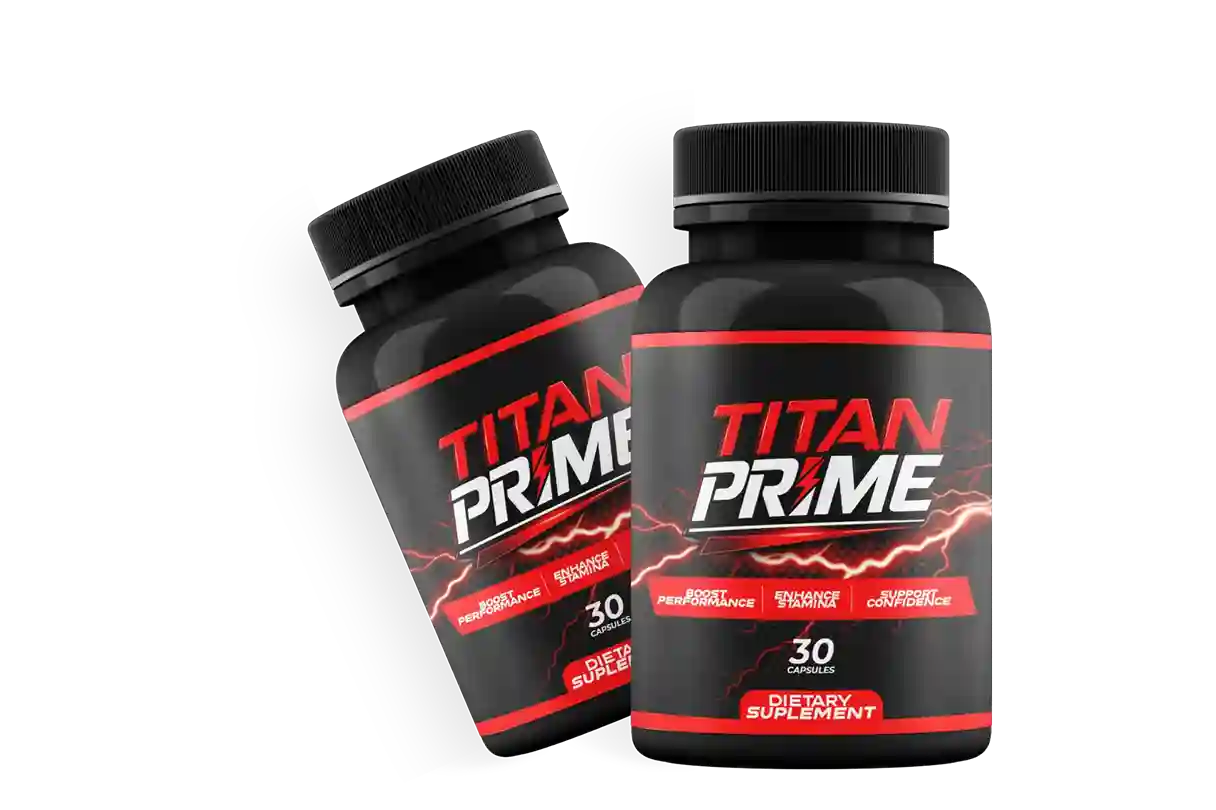
TitanPrime is the closest thing to a true best-in-class men's multivitamin with testosterone support built in. It combines Ashwagandha KSM-66 (600 mg — the standard clinical dose), Tongkat Ali LJ100 (200 mg), Zinc Picolinate (30 mg), Vitamin D3 (5,000 IU), Vitamin B12 as methylcobalamin, and Magnesium Glycinate in one capsule formula. Everything is at a dose that appears in the clinical literature — not token amounts. For men 35–55 who want a daily capsule that covers both micronutrient gaps and testosterone support without separate stacks, this is the benchmark.
Full Review →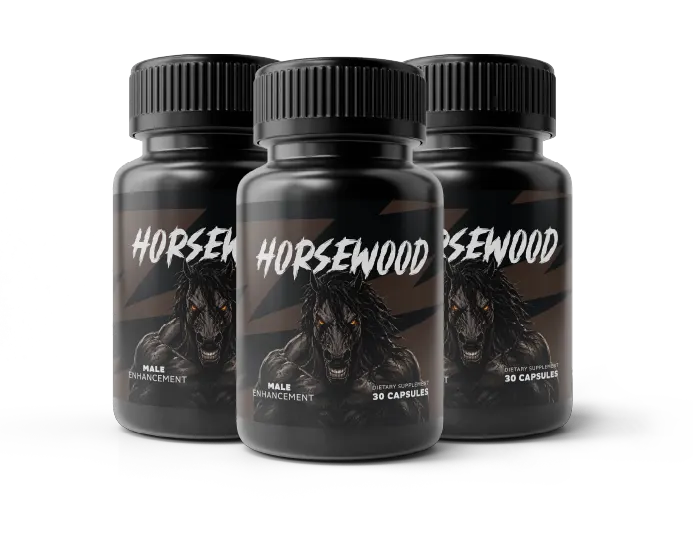
Horsewood — 7-Herb Prostate & Male Health Formula
Horsewood is the most comprehensive supplement for men who need prostate support alongside general male health coverage. It includes Saw Palmetto (320 mg standardized liposterolic extract — the clinical dose), Beta-Sitosterol (60 mg — studied for urinary flow), CoQ10 as ubiquinol (150 mg), Zinc Picolinate (30 mg), Selenium (200 mcg), Pygeum Africanum, and Lycopene. This combination addresses both prostate health and DHT/hair loss through the same Saw Palmetto mechanism. For men over 45 who notice urinary frequency changes or want proactive prostate support, this is our #1 recommendation.
Full Review →
SodaPeak — 10-Ingredient Male Gummy
SodaPeak is the best-reviewed men's multivitamin gummy in the WellnessDecision database. It packs Zinc, Vitamin D3, Vitamin B12 (methylcobalamin), Biotin (5,000 mcg — excellent for hair and nail strength), Folic Acid, Maca Root, Korean Ginseng, and Vitamin C into a two-gummy serving with natural fruit flavoring and only 3g of sugar. The key differentiator from most men's gummies is the use of methylcobalamin B12 (not the cheaper cyanocobalamin) and a genuine Maca extract dose. For men who won't consistently take capsules, SodaPeak delivers meaningfully better coverage than any grocery-store gummy vitamin we've reviewed.
Full Review →Also reviewed: FlowStrong · Boostaro · VigorHorse · SpartaMax · HoneyPower · SodaBoost · HorsePeak · Jelly Force
Frequently Asked Questions
What is the best multivitamin for men over 40?
The best multivitamin for men over 40 needs CoQ10 (100–200 mg ubiquinol), Vitamin D3 (5,000 IU), Ashwagandha KSM-66 for cortisol management, Zinc Picolinate (30 mg), and methylcobalamin B12 (1,000 mcg). TitanPrime is our top pick for this age group because it addresses all of these gaps in one formula. For men who also need prostate support, Horsewood adds Saw Palmetto and Beta-Sitosterol to the same stack. See our full testosterone supplements for men over 40 breakdown for the complete analysis.
What is the best multivitamin for men over 50?
Men over 50 need an Iron-free formula with added Saw Palmetto, Lycopene, and Selenium for prostate health; higher CoQ10 for cardiovascular support; and Vitamin K2 MK-7 (100 mcg) for bone and arterial calcium management. Standard drugstore multivitamins almost universally fail these criteria. Horsewood covers the prostate and CoQ10 angles specifically — pair it with a separate Vitamin K2 supplement (100–200 mcg MK-7) and omega-3 fish oil for a comprehensive 50+ men's stack.
Is the best men's multivitamin gummy as effective as capsules?
Gummies are highly effective for vitamins (D3, B12, C, Biotin) and moderate-dose minerals. The limitation is that high-dose nutrients like Magnesium (400 mg) or Ashwagandha (600 mg) can't fit in a 2-gummy serving — too much physical mass. SodaPeak solves this by focusing gummies on what they do well (vitamins, zinc, biotin, botanicals) and using proper ingredient forms throughout. If you consistently take your gummies, you'll benefit more than someone who inconsistently takes capsules. For men who need testosterone or prostate support above what a gummy can deliver, add a capsule formula alongside.
What are the best vitamins for men for testosterone?
The five nutrients with the strongest clinical evidence for testosterone support: Zinc (30 mg picolinate), Vitamin D3 (5,000 IU), Magnesium (400 mg glycinate), Ashwagandha KSM-66 (600 mg), and Boron (10 mg). These address the most common nutritional causes of suboptimal testosterone — deficiency in any one can be the rate-limiting factor. TitanPrime includes four of these five at clinical doses. For a dedicated testosterone protocol, see our How to Improve Testosterone Naturally guide.
What is the best probiotic for men?
The best probiotic for men should contain Lactobacillus reuteri (testosterone-supportive in emerging research), L. acidophilus, L. plantarum, and Bifidobacterium longum, with a prebiotic fiber (inulin or FOS) included. CFU count (10–50 billion) matters less than strain diversity and protective encapsulation. Our top-reviewed digestive formula is Sodamelt — 12 ingredients including probiotic and prebiotic support, plus digestive enzymes. For gut-focused weight loss, pair probiotics with Sodamelt or Lipo Jelly ACV Gummies.
What are the best hair loss supplements for men?
The top evidence-backed combination for male hair loss: Saw Palmetto (320 mg standardized extract — 5-alpha reductase inhibitor reducing DHT), Pumpkin Seed Oil (400 mg — secondary 5-AR inhibitor), Biotin (5,000 mcg), Zinc (30 mg), and Vitamin D3 (5,000 IU). Horsewood includes Saw Palmetto at clinical dose. Supplements slow DHT-driven follicle miniaturization — they don't regrow already-miniaturized follicles. Combine supplements with topical minoxidil for the best outcome in active hair loss.
What is the best estrogen blocker for men?
DIM (Diindolylmethane) at 200–400 mg/day is the most evidence-supported natural estrogen modulator for men — it shifts estrogen metabolism toward less proliferative metabolites without blocking estrogen production entirely (which you don't want to do). For men with confirmed high estradiol on blood work, discuss prescription aromatase inhibitors with your doctor — no supplement matches their potency. The most effective non-pharmaceutical estrogen management strategy is body fat reduction, since adipose tissue is the primary aromatase source in men.
What is the best collagen for men?
For joint health: Type II undenatured collagen (UC-II at 40 mg/day) — the strongest clinical evidence for cartilage protection and joint pain reduction. For skin, bone, and tendon: 10–15g/day of hydrolyzed Type I marine or bovine collagen peptides with 500 mg Vitamin C. Marine collagen has the highest bioavailability of any collagen source. Always take collagen with Vitamin C — without it, the structural integration of collagen peptides is significantly reduced. For joint-specific support, our AMP Joint 10 review covers our top-rated joint formula.
The Bottom Line on Men's Vitamins & Multivitamins 2026
The best vitamins for men in 2026 aren't a single product — they're a targeted approach that matches your age and health goals. For most men:
- Under 40: A quality men's multivitamin with D3 + Zinc + Magnesium (glycinate) + methylcobalamin B12 is the foundation. Add Ashwagandha KSM-66 if stress and testosterone are concerns.
- 40–55: Add CoQ10 (as ubiquinol) and start thinking about prostate-supportive nutrients. TitanPrime for testosterone support; Horsewood if prostate health is a priority.
- 55+: Iron-free formula essential. Increase D3, add K2, prioritize Lycopene and Selenium. Horsewood covers these. Add omega-3 (EPA/DHA 2g/day) and psyllium fiber separately.
Supplements work best when layered on top of consistent sleep, resistance training, dietary protein adequacy, and stress management — not as substitutes for them. The men who see the most benefit from a quality multivitamin stack are the ones who've already covered the lifestyle basics and are fine-tuning from there.
Disclosure: WellnessDecision is reader-supported. Some product links in this article may earn us a commission — but commissions never influence our editorial ratings, ingredient analysis, or recommendations. We review independently and disclose all relationships. Full details: Affiliate Disclosure.