
Boswellia Supplement — Joint Pain Science, 5-LOX Inhibition & Honest Guide
The boswellia supplement represents one of the most evidence-supported natural anti-inflammatory ingredients for joint health — with a specific, well-characterized mechanism (5-LOX inhibition) that distinguishes it from generic “anti-inflammatory” botanicals. As a Registered Nutritionist-Dietitian, I consider boswellia the most clinically compelling natural ingredient for joint inflammation specifically, with a record in randomized controlled trials that compares favorably with NSAIDs for certain outcomes without the gastrointestinal side effects associated with long-term NSAID use.
What Is Boswellia?
Boswellia (Boswellia serrata, also known as Indian Frankincense) is a gum resin extracted from the bark of the Boswellia tree, native to India, North Africa, and the Middle East. Its primary bioactive compounds are boswellic acids — particularly AKBA (3-O-acetyl-11-keto-β-boswellic acid), the most potent 5-LOX inhibitor identified in the extract. Boswellia has been used in Ayurvedic medicine for thousands of years for joint and inflammatory conditions. The NCCIH recognizes Boswellia as one of the better-evidenced botanicals for musculoskeletal health, with indexed research on PubMed spanning over 200 publications.
The 5-LOX Mechanism — Why Boswellia Is Different
Most natural anti-inflammatory compounds work by inhibiting COX (cyclooxygenase) enzymes — the same pathway targeted by NSAIDs like ibuprofen. Boswellic acids work through a different inflammatory pathway: 5-lipoxygenase (5-LOX). 5-LOX is an enzyme that produces leukotrienes — inflammatory signaling molecules that are particularly relevant in joint tissue inflammation and in the synovial membrane degradation that characterizes chronic arthritis.
This distinction matters clinically for two reasons: First, 5-LOX inhibition addresses an inflammatory pathway that COX inhibitors (NSAIDs) do not target, making Boswellia complementary rather than redundant with anti-inflammatory medications. Second, 5-LOX-produced leukotrienes are particularly associated with the cartilage matrix degradation that worsens arthritis over time — meaning Boswellia may slow structural progression, not just reduce pain symptoms. The NIAMS documents the leukotriene pathway’s role in joint disease.
Boswellia vs Turmeric — How They Complement Each Other
Boswellia (5-LOX)
- Inhibits 5-LOX / leukotriene pathway
- Stronger cartilage-protective evidence
- Better evidence for structural preservation
- More consistent in arthritis trials
Turmeric / Curcumin (NF-κB / COX-2)
- Inhibits NF-κB and COX-2 pathways
- Broader systemic anti-inflammatory
- Better evidence for pain symptoms
- Lower bioavailability without piperine
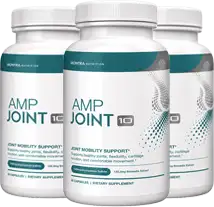
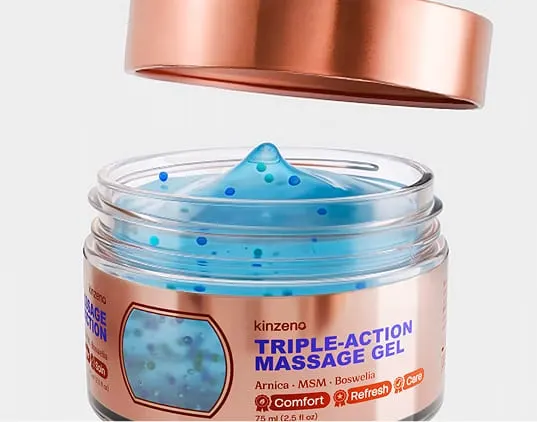
The most effective joint health formulas combine both — addressing 5-LOX (Boswellia) and NF-κB/COX-2 (Turmeric) simultaneously. AMP Joint 10 includes both, as does Kinzeno topical gel.
Clinical Evidence for Boswellia
- Knee osteoarthritis (Kimmatkar et al., 2003): 30 patients. Boswellia extract vs placebo for 8 weeks (crossover). Significant reductions in knee pain and swelling, significant improvements in knee flexion and walking distance. Published in Phytomedicine.
- AKBA extract (Sengupta et al., 2010): 70 OA patients. 5-LOXIN (enriched AKBA boswellia) vs placebo for 90 days. Significant pain and function improvements at 7 days (faster than most natural interventions) maintained at 90 days. Published in Arthritis Research & Therapy.
- Combination (UC-II + Boswellia): Multiple studies have examined Boswellia in combination with Collagen and Glucosamine, consistently showing additive benefits over either ingredient alone.
Boswellia Supplement Dosage
💊 Clinical Dosage — Boswellia
Clinical trials have used 100–500mg of Boswellia extract daily, with the more recent AKBA-enriched extracts (5-LOXIN, ApresFlex) showing efficacy at lower doses due to higher bioactivity per milligram. Look for an extract standardized to AKBA content (typically 20-30%). Standard Boswellia serrata extract at 65% total boswellic acids is also clinically effective at 300-500mg twice daily. Topical Boswellia (in Kinzeno gel) provides direct joint delivery without dose limitations.
Safety & Interactions
⚠️ Safety: Boswellia has an excellent safety profile with no significant drug interactions documented at standard doses in clinical trials. Mild gastrointestinal effects (nausea, diarrhea) are occasionally reported, particularly at higher doses. Unlike NSAIDs, Boswellia does not inhibit prostaglandin synthesis, so it does not carry the gastric mucosal risk of long-term NSAID use — one of its key clinical advantages for adults who need long-term joint support.
Products Containing Boswellia on WellnessDecision
Frequently Asked Questions About Boswellia
What does boswellia do for joints?
Inhibits 5-LOX (5-lipoxygenase), reducing leukotriene production in joint tissue. Leukotrienes drive both joint pain/swelling and cartilage matrix degradation in arthritis. Multiple RCTs document significant reductions in joint pain, stiffness, and swelling with boswellia supplementation.
How long does boswellia take to work?
AKBA-enriched extracts show pain improvements as early as 7 days in published trials. Standard boswellia extract shows significant effects at 4-8 weeks. Full anti-inflammatory benefit typically established at 90 days.
Is boswellia better than turmeric for joints?
Different mechanisms — boswellia for 5-LOX/leukotriene pathway, turmeric for NF-kB/COX-2 pathway. The most effective approach combines both, as they address complementary aspects of joint inflammation.
Is boswellia safe long term?
Published long-term trials up to 90 days show excellent safety with no significant adverse effects. Unlike NSAIDs, boswellia does not carry gastric mucosal risk. Very well tolerated for adults with chronic joint concerns needing sustained support.
Can boswellia be applied topically?
Yes — boswellic acids can penetrate skin tissue, making topical application effective for local joint relief. Kinzeno gel includes boswellia in a micro-bubble delivery system for enhanced tissue penetration.
Medical Disclaimer & Affiliate Disclosure: Informational only. Not medical advice. Not FDA evaluated. WellnessDecision may earn commissions through links. See Editorial Policy.