CoQ10 Supplement — Heart Health, Mitochondrial Energy & Complete Science Guide
The CoQ10 supplement is one of the most evidence-supported nutritional interventions available for cardiac cell health and mitochondrial energy production — and one of the most important supplements for anyone taking statin medications. As a Registered Nutritionist-Dietitian, I consider CoQ10 one of the most clinically underutilized supplements in the American population, particularly for adults over 40 and statin users, where deficiency is both common and consequential.
What Is CoQ10?
Coenzyme Q10 (ubiquinone) is a fat-soluble vitamin-like compound produced endogenously in every cell of the human body and found in dietary sources including meat, fish, and some nuts. It serves two critical physiological roles: as a cofactor in the mitochondrial electron transport chain (where it facilitates ATP energy production) and as a potent fat-soluble antioxidant in cell membranes. The NIH and NCCIH both document CoQ10’s evidence base for heart health and mitochondrial support. Production declines approximately 65% between ages 20 and 80 — making supplementation increasingly relevant as adults age.
The Mitochondrial Mechanism — How CoQ10 Supports Energy and Heart Health
CoQ10 functions as an electron carrier between Complexes I/II and Complex III in the mitochondrial electron transport chain — the cellular machinery that generates ATP from oxygen and nutrients. Without adequate CoQ10, this chain becomes inefficient, ATP production declines, and cells in high-energy-demand tissues (cardiac muscle, skeletal muscle, endothelial cells) suffer first. This is why CoQ10 deficiency manifests most prominently as fatigue and cardiac performance concerns.
The American Heart Association acknowledges CoQ10’s role in cardiac cell energy and the emerging evidence for its use in heart failure support. Cardiac muscle is the highest-CoQ10-density tissue in the human body, and cardiac cells are among the most energy-hungry — making heart health the most clinically significant application of CoQ10 supplementation.
CoQ10 and Statins — The Critical Connection
Statins (HMG-CoA reductase inhibitors — Atorvastatin, Rosuvastatin, Simvastatin, etc.) lower cholesterol by inhibiting HMG-CoA reductase. This enzyme is also involved in the mevalonate pathway that produces CoQ10 in the body. Statin use therefore measurably depletes CoQ10 levels — a side effect documented in peer-reviewed literature and noted by the Mayo Clinic.
The muscle pain (myalgia) and weakness reported by some statin users may be partially explained by this CoQ10 depletion in muscle mitochondria. Multiple trials have investigated CoQ10 supplementation for statin-induced myalgia with mixed but generally positive results. If you take a statin, discussing CoQ10 supplementation with your physician is a reasonable consideration regardless of whether you experience myalgia — because the depletion mechanism is well-established even when symptoms are not yet apparent.
Ubiquinol vs Ubiquinone — Which Form to Choose
Ubiquinone (CoQ10)
The oxidized form. Less expensive, well-studied. Must be converted to ubiquinol in the body before use. Conversion declines with age, making it less efficient in older adults. Effective at doses of 100–300mg/day for most adults.
Ubiquinol
The reduced, active form. Higher bioavailability (particularly in adults over 50 with declining conversion ability). More expensive. Effective at lower doses (100–200mg) with superior plasma CoQ10 levels vs equivalent ubiquinone doses. Preferred form for adults over 50.
Clinical Evidence for CoQ10
- Heart failure (Mortensen et al., Q-SYMBIO 2014): 420 heart failure patients. CoQ10 300mg/day vs placebo for 2 years. 43% reduction in major cardiovascular events, significant improvement in cardiac function. Published in JACC: Heart Failure. Landmark trial for CoQ10 in cardiac care.
- Blood pressure (Rosenfeldt et al., meta-analysis 2007): 12 clinical trials. CoQ10 supplementation produced average systolic BP reduction of 17mmHg and diastolic reduction of 10mmHg. Published in the Journal of Human Hypertension.
- Statin myalgia (Zlatohlavek et al., 2012): Patients with statin-induced myalgia who received CoQ10 supplementation showed significant reduction in muscle pain compared to placebo. Published in Neuroendocrinology Letters.
CoQ10 Supplement Dosage
💊 Clinical Dosage — CoQ10
CoQ10 is fat-soluble — take it with a meal containing fat for maximum absorption. For adults over 50 or statin users, ubiquinol at 100–200mg daily is preferred. For younger adults or those on a budget, ubiquinone at 200–300mg daily is effective. Timing is not critical beyond the fat-meal requirement; morning with breakfast is the most practical approach.
Safety & Interactions
⚠️ Safety Notice: CoQ10 is very well tolerated with an excellent safety profile. Key interaction: CoQ10 has mild blood pressure lowering effects and may enhance the action of antihypertensive medications. Monitor blood pressure if you take both. CoQ10 may reduce the effectiveness of warfarin (anticoagulant) in some individuals — discuss with your physician if you take blood thinners. Mild GI side effects (nausea, upset stomach) are reduced by taking with food.
Products Containing CoQ10 on WellnessDecision
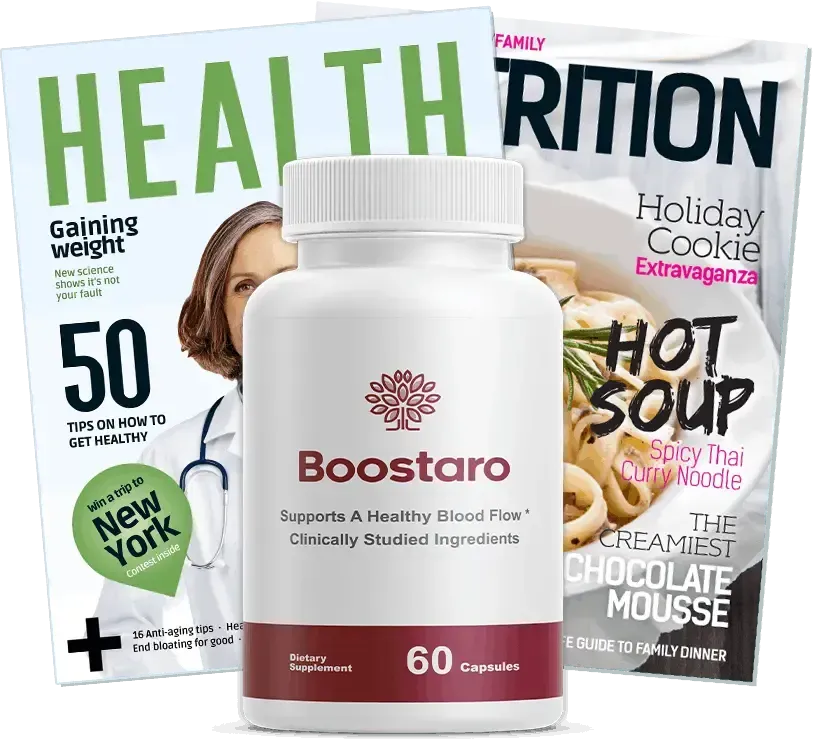
Boostaro — CoQ10 + L-Citrulline + Pine Bark
⭐ Best CoQ10 + Blood FlowBoostaro combines CoQ10 for endothelial cell mitochondrial energy with L-Citrulline (NO precursor), Maritime Pine Bark (eNOS activation), and Vitamin K2 (arterial health). Our top men's blood flow formula. 180-day guarantee.
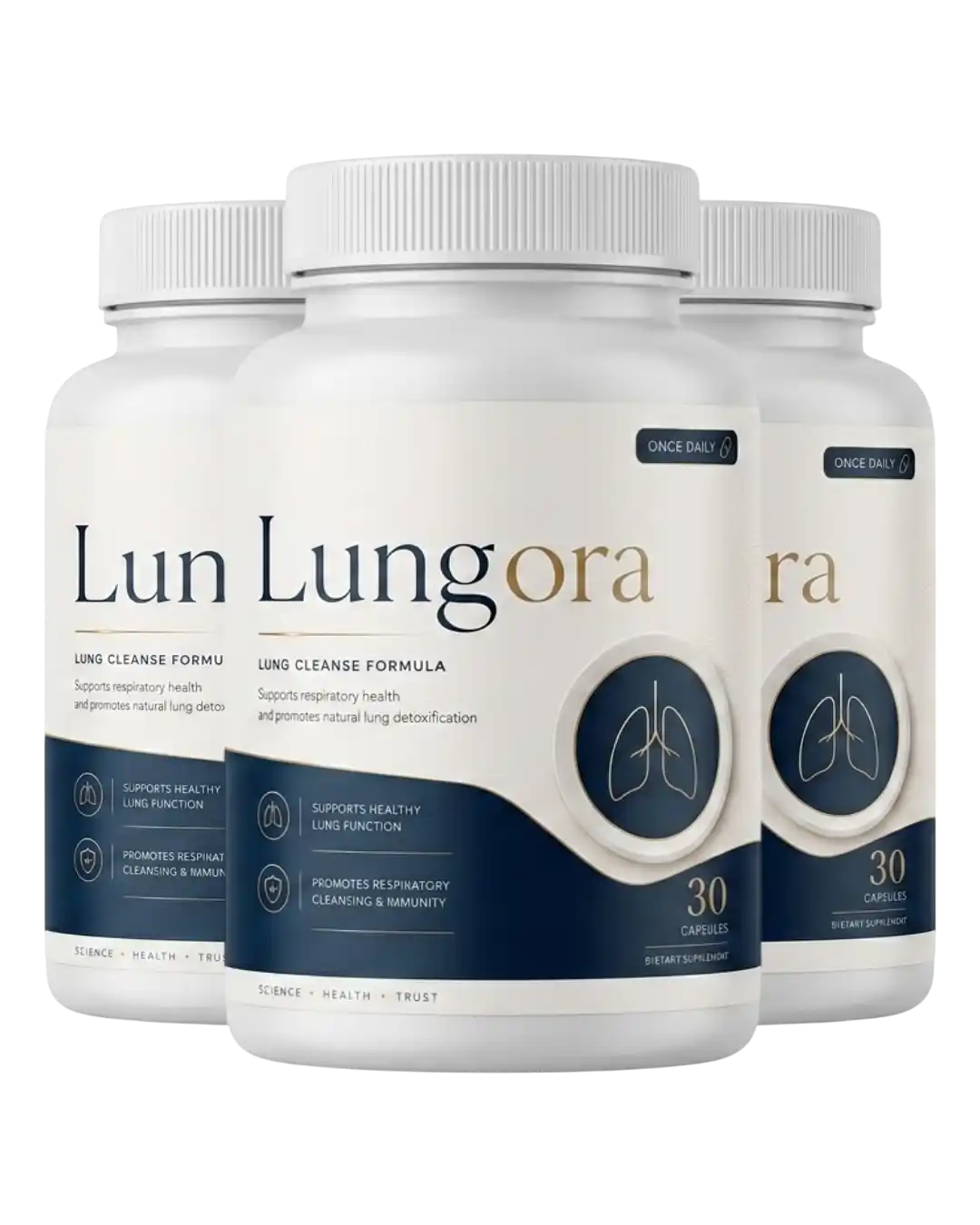
Lungora — CoQ10 + L-Carnitine Respiratory Formula
Lungora combines CoQ10 with L-Carnitine, Magnesium Glycinate, Alpha Lipoic Acid, Butcher's Broom, and Turmeric for respiratory and cardiovascular mitochondrial energy support. ⚠ Consult physician if on blood thinners or statins.
Frequently Asked Questions About CoQ10
What does CoQ10 do?
CoQ10 is an essential mitochondrial electron carrier that enables ATP energy production in every cell. It also serves as a potent fat-soluble antioxidant. Supplementation is most clinically significant for cardiac health, mitochondrial energy in aging adults, and those on statin medications.
Why do statin users need CoQ10?
Statins block HMG-CoA reductase, an enzyme in the mevalonate pathway that also produces CoQ10. Statin use measurably depletes CoQ10 levels, potentially contributing to the muscle pain (myalgia) some users experience. CoQ10 supplementation may help restore depleted levels.
Ubiquinol vs CoQ10 — which is better?
For adults under 50 with healthy conversion capacity: standard CoQ10 (ubiquinone) is effective and less expensive. For adults over 50 or those with absorption concerns: ubiquinol is more bioavailable because it bypasses the conversion step that declines with age.
What is the correct CoQ10 dose?
100–300mg daily of ubiquinone, or 100–200mg of ubiquinol. Always taken with a fat-containing meal. For statin-induced depletion, doses of 200–400mg are used in clinical trials.
Does CoQ10 lower blood pressure?
A meta-analysis of 12 trials found average systolic BP reduction of ~17mmHg with CoQ10 supplementation. This is a clinically meaningful effect that may be additive with antihypertensive medications — discuss with your physician.
Medical Disclaimer & Affiliate Disclosure: For informational purposes only. Not medical advice. Not evaluated by the FDA. WellnessDecision may earn commissions through links. See Editorial Policy and Affiliate Disclosure.