
L-Citrulline Supplement — Nitric Oxide, Blood Flow & Complete Science Guide 2026
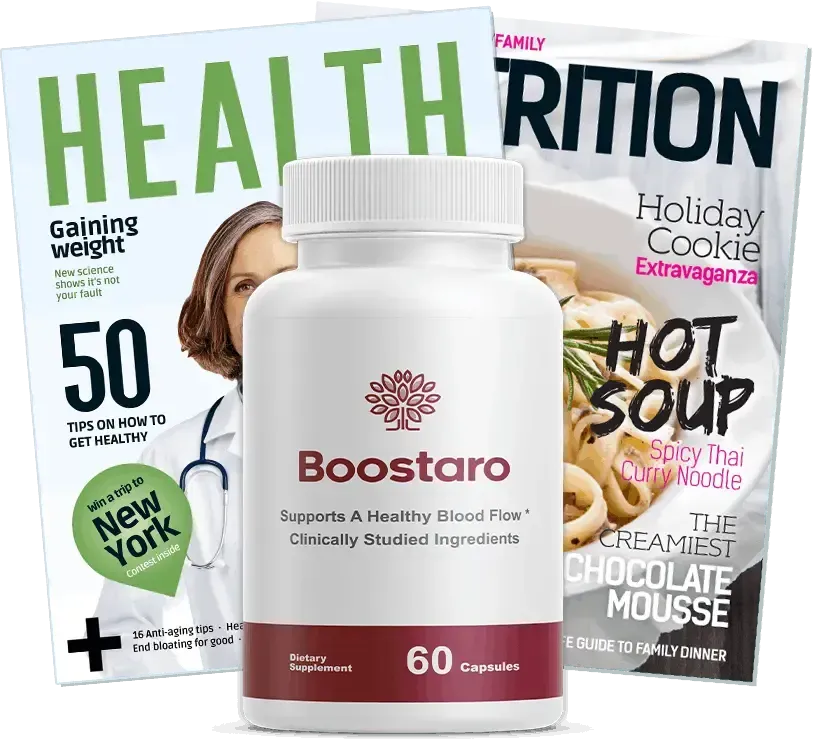
The L-Citrulline supplement is the most bioavailable oral nitric oxide precursor available — and one of the most consistently evidence-supported ingredients in men’s performance and cardiovascular wellness nutrition. As a Registered Nutritionist-Dietitian, I consider it the cornerstone of any vascular support formula, and the reason why is grounded in pharmacokinetics that most consumers have never been told.
What Is L-Citrulline?
L-Citrulline is a non-essential amino acid found naturally in watermelon (the name derives from Citrullus lanatus) and produced endogenously in the intestinal epithelium and the urea cycle. Its primary nutritional role in the context of supplementation is as a precursor to L-Arginine through the citrulline-arginine cycle in the kidneys — a conversion pathway that makes oral L-Citrulline a more effective nitric oxide precursor than L-Arginine direct supplementation. The NIH and PubMed together catalogue over 300 published research papers on L-Citrulline’s physiological roles.
L-Citrulline vs L-Arginine — Why Citrulline Consistently Outperforms
This is one of the most practically important distinctions in male performance supplementation. Most nitric oxide supplements sold through the 1990s and 2000s used L-Arginine directly, based on the logic that L-Arginine is the direct substrate for nitric oxide synthase (NOS). The problem: oral L-Arginine is rapidly degraded by arginase enzymes in the gut and liver before it reaches systemic circulation. Studies have consistently shown that oral L-Arginine supplementation produces negligible increases in plasma Arginine levels — meaning the NO-producing substrate never reaches the endothelial cells where it matters.
L-Citrulline bypasses this degradation problem. It is not a substrate for arginase, so it passes through the gut and liver intact and is converted to L-Arginine in the kidneys — a step where the conversion is highly efficient and the resulting Arginine is released directly into systemic circulation. Multiple head-to-head studies published in PubMed have documented that oral L-Citrulline raises plasma Arginine more effectively than equivalent oral L-Arginine doses. The American Heart Association acknowledges the role of the L-Arginine-nitric oxide pathway in vascular health.
The Nitric Oxide Pathway — How L-Citrulline Supports Blood Flow
Nitric oxide (NO) is produced by endothelial nitric oxide synthase (eNOS) when L-Arginine is present in sufficient concentrations. Once produced, NO diffuses into smooth muscle cells in blood vessel walls, activating guanylate cyclase and raising cGMP levels — causing the smooth muscle to relax and the vessel to dilate. This vasodilation increases blood flow, reduces peripheral vascular resistance, and lowers blood pressure. The entire cascade depends on having adequate L-Arginine at the endothelial level — which is where L-Citrulline’s kidney-conversion advantage pays off most directly.
Oxidative stress is the primary antagonist of this cascade: reactive oxygen species destroy NO before it can complete vasodilation. This is why the best NO-supporting formulas combine L-Citrulline (substrate supply) with antioxidants like Pine Bark Extract (OPC protection of NO from oxidative destruction) — a combination found in Boostaro’s 8-ingredient formula.
Clinical Evidence for L-Citrulline
- Erectile function (Cormio et al., 2011): 24 men with mild erectile dysfunction randomized to L-Citrulline 1.5g/day vs placebo for 1 month. Erection hardness score improved in 50% of the Citrulline group vs 8.3% placebo. First RCT demonstrating oral Citrulline’s clinical vascular effects in sexual health. Published in Urology.
- Blood pressure (Figueroa et al., 2010): Postmenopausal hypertensive women given watermelon extract (containing 6g L-Citrulline) showed significant reductions in arterial stiffness, aortic blood pressure, and brachial blood pressure. Published in Menopause.
- Exercise performance: Multiple trials have documented L-Citrulline malate supplementation reducing post-exercise muscle soreness, improving time-to-exhaustion, and increasing training volume in both aerobic and resistance exercise contexts.
L-Citrulline Supplement Dosage
💊 Clinical Dosage — L-Citrulline
For vascular health and male performance, 3–6g of pure L-Citrulline or 6–8g of Citrulline Malate 2:1 daily is the dose range used in published trials. Single pre-exercise doses are used in sports performance research; split doses throughout the day produce more consistent plasma Arginine elevation for non-exercise applications. Citrulline Malate (Citrulline bound to Malic Acid) has additional evidence for muscular endurance but contains less Citrulline per gram than pure Citrulline.
Safety & Interactions
⚠️ Safety Notice: L-Citrulline is well tolerated at clinical doses with no serious adverse events in published trials. One key interaction: L-Citrulline enhances vasodilation and may potentiate the blood pressure lowering effects of antihypertensive medications (ACE inhibitors, calcium channel blockers, diuretics). If you take blood pressure medications, consult your physician before starting L-Citrulline supplementation. Not recommended for individuals with urea cycle disorders.
Products Containing L-Citrulline on WellnessDecision
Boostaro — 8-Ingredient Nitric Oxide Formula
⭐ Best L-Citrulline FormulaOur #1-rated blood flow supplement: L-Citrulline + Maritime Pine Bark (eNOS activation + OPC protection) + CoQ10 + Vitamin K2 + Vitamin C + Magnesium + L-Proline + L-Lysine. 12,640+ reviews. 180-day guarantee.
📚 Related Guides & Pages
Frequently Asked Questions About L-Citrulline
Why is L-Citrulline better than L-Arginine?
L-Arginine is broken down by arginase enzymes in the gut and liver before reaching circulation. L-Citrulline bypasses this and is efficiently converted to L-Arginine in the kidneys, resulting in higher plasma Arginine and greater NO production than equivalent oral L-Arginine.
What does L-Citrulline do for men?
Supports nitric oxide production and vasodilation, improving blood flow to muscles and erectile tissue. Particularly relevant for men experiencing the vascular component of performance decline — where desire remains but physical response has become less reliable.
What is the correct L-Citrulline dose?
3-6g of pure L-Citrulline or 6-8g of Citrulline Malate 2:1 daily. For sexual health and blood flow, daily supplementation works better than occasional dosing.
Does L-Citrulline lower blood pressure?
Yes — vasodilation from increased NO production does reduce blood pressure in people with elevated readings. This is beneficial for cardiovascular health but requires physician coordination if you already take antihypertensive medications.
Which Boostaro ingredient list includes L-Citrulline?
Boostaro uses L-Citrulline as its primary NO precursor, combined with Maritime Pine Bark for eNOS activation and antioxidant NO protection, CoQ10 for endothelial energy, and Vitamin K2 for arterial wall health. Read the full review for the complete ingredient analysis.
Medical Disclaimer & Affiliate Disclosure: For informational and educational purposes only. Not medical advice. Supplements not intended to diagnose, treat, cure, or prevent any disease. Statements not evaluated by the FDA. WellnessDecision may earn affiliate commissions through links at no additional cost to you. Affiliate relationships never influence editorial assessments. Always consult your healthcare provider. See our Editorial Policy and Affiliate Disclosure.