
Glucosamine Supplement — Joint Science, Cartilage Research & Complete Guide 2026
The glucosamine supplement is the most extensively studied natural joint health ingredient in the world, with over 50 years of clinical research, dozens of randomized controlled trials, and a consistent evidence base that has earned it acknowledgment from the National Institute of Arthritis and Musculoskeletal and Skin Diseases (NIAMS) and the Mayo Clinic. As a Registered Nutritionist-Dietitian, I consider it the cornerstone of any serious oral joint support protocol.
What Is Glucosamine?
Glucosamine is a naturally occurring aminomonosaccharide that serves as a primary building block of glycosaminoglycans — the structural molecules that form the cartilage matrix. The body produces glucosamine endogenously from glucose and glutamine, but production declines with age. Commercially, glucosamine is extracted primarily from shellfish shells (Glucosamine Sulfate or HCl from shrimp, crab, or crayfish) or fermented from corn (suitable for shellfish-allergic individuals). The CDC reports that glucosamine is one of the most commonly taken natural supplements in the US for musculoskeletal conditions.
Glucosamine Sulfate vs HCl vs N-Acetyl-Glucosamine
Most-studied form. The sulfate group may independently support proteoglycan synthesis. Best clinical evidence for OA pain and function. Preferred form in European clinical guidelines.
Higher glucosamine content per gram (more bioavailable from a dose standpoint). Some trials show efficacy; less evidence than sulfate form. Often used in US multi-ingredient joint supplements.
Different metabolic pathway. May have beneficial effects on gut barrier function. Less clinical evidence for joint applications specifically. More relevant in gut health contexts.
How Glucosamine Supports Cartilage
Glucosamine is the direct precursor to glycosaminoglycans — particularly chondroitin sulfate, keratan sulfate, and hyaluronic acid — which form the proteoglycan matrix that gives cartilage its shock-absorbing, load-distributing properties. When cartilage is stressed or damaged, the chondrocytes (cartilage cells) responsible for matrix maintenance require adequate glucosamine substrate to produce replacement proteoglycans. Oral glucosamine supplementation provides this substrate, supporting the repair process that chondrocytes cannot complete without adequate raw material.
Secondary mechanisms include inhibition of catabolic enzymes (matrix metalloproteinases) that break down cartilage matrix, and mild anti-inflammatory effects via NF-κB pathway modulation. These are documented in PubMed basic research studies on chondrocyte culture models.
Clinical Evidence — Key Trials
- GAIT Trial (2006, NIH-funded): 1,583 patients with knee osteoarthritis. Glucosamine HCl, Chondroitin, combination, Celecoxib, or placebo for 24 weeks. The Glucosamine + Chondroitin combination showed significant pain reduction in the subgroup with moderate-to-severe pain. Landmark study funded by the NIH.
- LEGS Trial (2015): 605 knee OA patients. Glucosamine + Chondroitin for 2 years vs placebo. Significant reduction in joint space narrowing progression (structural protective effect) in the combination group. Published in Annals of the Rheumatic Diseases.
- European meta-analysis: Multiple European trials using crystalline Glucosamine Sulfate (1,500mg/day) have shown consistent symptomatic and structural benefits, leading to its inclusion in several European musculoskeletal treatment guidelines.
Glucosamine Supplement Dosage
💊 Clinical Dosage — Glucosamine
The most-studied clinical dose is 1,500mg of Glucosamine Sulfate daily, often taken as a single dose or split into two 750mg doses. Clinical effects are gradual — meaningful cartilage-level changes develop over weeks to months of consistent supplementation. The LEGS trial, which showed structural protection, used 1,500mg daily for 2 years, highlighting the long-term nature of this supplement’s primary benefit. For acute pain, Boswellia and Turmeric typically provide faster results; Glucosamine’s primary role is structural maintenance and progressive protection over time.
⚠ Shellfish Allergy Warning
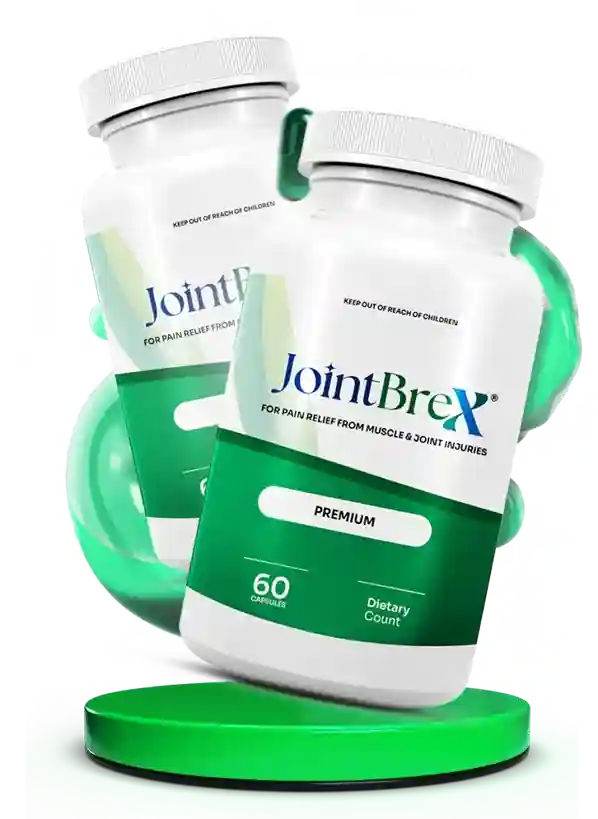
⚠️ Safety: Glucosamine Sulfate and Glucosamine HCl are most commonly extracted from shellfish shells — including shrimp, crab, lobster, and crayfish. People with shellfish allergies may react to shellfish-derived glucosamine. The allergy risk is from shellfish proteins, which may be present in small amounts as processing contaminants even in the purified form. If you have a shellfish allergy: look for vegan/vegetarian glucosamine derived from corn fermentation, which is shellfish-free. AMP Joint 10's Glucosamine is derived from crayfish (a crustacean) — do not use if you have a shellfish allergy. Consider JointBrex or Kinzeno topical gel (no oral glucosamine) as alternatives.
Products Containing Glucosamine on WellnessDecision
📚 Related Guides
Frequently Asked Questions About Glucosamine
What does glucosamine do for joints?
Provides the primary substrate for cartilage matrix (glycosaminoglycan) synthesis, supporting chondrocyte maintenance and repair of cartilage. Also inhibits cartilage-degrading enzymes and has mild anti-inflammatory effects.
Which glucosamine form is best?
Glucosamine Sulfate has the strongest clinical evidence base, particularly European trials. Glucosamine HCl has higher glucosamine content per gram but somewhat less robust evidence. For most people, the combined evidence points to Glucosamine Sulfate as the preferred form.
Do I have a shellfish allergy risk with glucosamine?
If you have a shellfish allergy, use caution. Most commercial glucosamine is derived from shellfish shells and may contain trace protein contaminants. Vegan glucosamine from corn fermentation is a safe alternative.
How long does glucosamine take to work?
Unlike pain medications, glucosamine works on structural cartilage changes over weeks to months. Meaningful symptom improvements in published trials develop at 4-8 weeks; structural protection (reduced cartilage space narrowing) is documented at 6-24 months of consistent supplementation.
Should glucosamine be taken with chondroitin?
Yes — the clinical evidence for the combination is stronger than for either ingredient alone, particularly the LEGS trial showing structural protection at 2 years. AMP Joint 10 includes both alongside 8 other complementary ingredients.
Medical Disclaimer & Affiliate Disclosure: Informational only. Not medical advice. Not FDA evaluated. WellnessDecision may earn commissions through links. See Editorial Policy.