
Probiotics for Oral Health — Complete Science Guide to Dental Probiotic Strains 2026
Probiotics for oral health are among the most scientifically coherent applications of probiotic supplementation — and one of the most misrepresented by the market. The challenge is not a lack of clinical evidence; multiple randomized controlled trials published in PubMed document statistically significant improvements in gum health, plaque composition, and breath quality from oral-specific probiotic supplementation. The challenge is that 90% of products marketed as “oral probiotics” use the wrong strains, the wrong delivery format, or both. As a Registered Nutritionist-Dietitian, this guide gives you the evidence to distinguish the real from the rhetorical.
The 3 Probiotic Strains With the Strongest Oral Health Evidence
1. Lactobacillus Paracasei
Colonizes gum pocket tissue and supragingival plaque. Documented mechanisms: competitive exclusion of P. gingivalis from gum attachment sites, inflammatory cytokine modulation, mucosal immune support. Evidence: multiple RCTs showing reduced gingival bleeding and pocket depth. Sourced from the NIDCR clinical database.
2. B.lactis BL-04® (Patented Strain)
Patented, extensively characterized strain with its own published human clinical program. Shifts the inflammatory response profile in gum tissue toward resolution rather than chronic perpetuation. Also supports respiratory tract health and systemic immune resilience — reflecting the oral-systemic connection. The NCCIH recognizes Bifidobacterium strains within the general probiotic evidence base.
3. Lactobacillus Reuteri — Most Studied Oral Strain
Produces reuterin — an antimicrobial compound with selective suppression of periodontal pathogens including Porphyromonas gingivalis. Two landmark RCTs in the Journal of Clinical Periodontology compared L. Reuteri + conventional scaling-and-root-planing vs conventional treatment alone, finding significantly superior outcomes for pocket depth reduction and bleeding on probing in the probiotic group. The single most-cited oral probiotic strain in the periodontal literature, also indexed by the American Dental Association.
Why Delivery Format Is Everything for Oral Probiotics
A swallowed capsule — even one containing the correct oral health strains at adequate CFU — provides zero oral microbiome benefit. The bacteria never contact oral surfaces. They are either degraded by stomach acid or, if acid-resistant, end up in the gut where they have no oral application. This is the fundamental error in the majority of products marketed as oral probiotics.
True oral probiotics must release bacteria directly into the oral cavity through a dissolving or slowly chewed tablet that maintains bacteria-to-surface contact time for several minutes. This allows colonization of the tooth surface, gumline, tongue, and cheek tissue — the sites where the therapeutic bacterial species need to establish themselves. When evaluating any product marketed as an oral probiotic, the delivery format is the first and most important filter, before strain selection, before CFU count, before anything else.
How Oral Probiotics Work — 3 Mechanisms
- Competitive exclusion: Beneficial bacteria occupy adhesion sites on oral surfaces that would otherwise be colonized by pathogenic species. Streptococcus mutans (cavity-causing) and P. gingivalis (gum disease) require surface attachment to cause damage — probiotic colonization physically reduces available sites.
- Antimicrobial compound production: L. Reuteri’s reuterin, L. salivarius K12’s bacteriocins, and other probiotic-produced compounds selectively suppress harmful species without the broad-spectrum disruption that antibacterial mouthwashes cause.
- Immune modulation: Beneficial oral bacteria shift the local immune response in gum tissue away from chronic inflammatory signaling (which drives periodontal destruction) toward resolution and repair signaling. This mechanism may explain the gum depth improvements seen in RCTs beyond what direct antibacterial effects can account for.
Who Benefits Most From Probiotics for Oral Health
- ✓ Adults with chronic bad breath not resolved by conventional dental hygiene
- ✓ People with early or mild gum disease (gingivitis, early periodontitis) as an adjunct to professional dental care
- ✓ Adults who have recently completed antibiotic courses (which disrupt oral microbiome balance)
- ✓ Heavy antibacterial mouthwash users experiencing recurring microbiome disruption
- ✓ Anyone wanting proactive oral microbiome support alongside conventional hygiene
- ⚠️ Not a replacement for regular dental care — oral probiotics complement professional treatment, they do not replace it
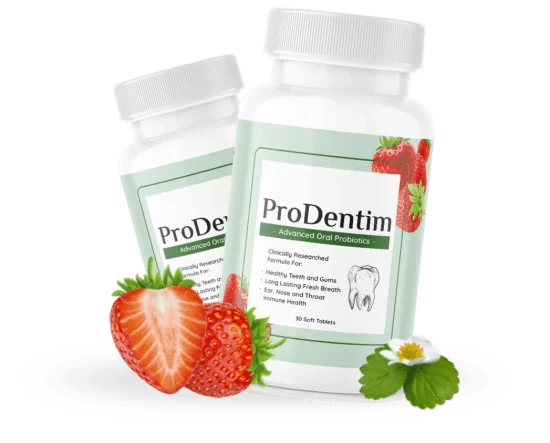
ProDentim — The Best-Formulated Oral Health Probiotic
ProDentim — 3.5B CFU Dissolvable Dental Probiotic
⭐ Best Oral ProbioticProDentim delivers all three gold-standard oral probiotic strains (L. Paracasei, B.lactis BL-04®, L. Reuteri) at 3.5B CFU in a dissolvable strawberry-flavored candy that releases bacteria directly into the oral cavity. Adds Inulin (prebiotic), Malic Acid (brightness), Tricalcium Phosphate (enamel minerals), Peppermint. FDA-approved facility. 95,000+ reviews. 60-day guarantee.
How to Use Oral Probiotics for Best Results
- Take after brushing, not before: Clean surfaces allow better colonization than plaque-covered ones.
- Dissolve slowly: Let the tablet dissolve over 2-4 minutes. Do not chew and swallow. Extended oral surface contact time is the mechanism.
- Separate from antibacterial mouthwash: If you use chlorhexidine or high-alcohol mouthwash, use at a different time of day.
- Daily consistency for 90+ days: Oral microbiome rebalancing is a months-long process. Missing doses interrupts colonization.
- Complement with diet: Reduce dietary sugar (which fuels cavity bacteria) and include fermented foods where possible.
📚 Related Guides
Frequently Asked Questions About Oral Health Probiotics
Do oral probiotics work for gum health?
Yes — multiple PubMed RCTs document statistically significant improvements in gum bleeding, pocket depth, and inflammatory markers with the right strains (especially L. Reuteri) in the right delivery format.
What is the best oral probiotic strain?
L. Reuteri has the strongest published evidence for gum health. B.lactis BL-04 is the most evidence-backed patented strain for oral immune modulation. L. Paracasei shows strongest evidence for gum pocket colonization. ProDentim contains all three.
Can I take oral probiotics with antibiotics?
Take oral probiotics 2+ hours after antibiotic doses, and continue for 2-4 weeks after completing the antibiotic course to support microbiome recovery.
How long before I see results?
Breath improvement: 1-2 weeks. Gum comfort: 4-8 weeks. Full microbiome rebalancing: 90-180 days.
Are oral probiotics safe?
Excellent safety profile for healthy adults. Lactobacillus and Bifidobacterium strains used in oral probiotics have decades of established human use. Consult your physician if significantly immunocompromised.
Medical Disclaimer & Affiliate Disclosure: Informational only. Not medical advice. Not FDA evaluated. WellnessDecision may earn commissions through links. See Editorial Policy.